

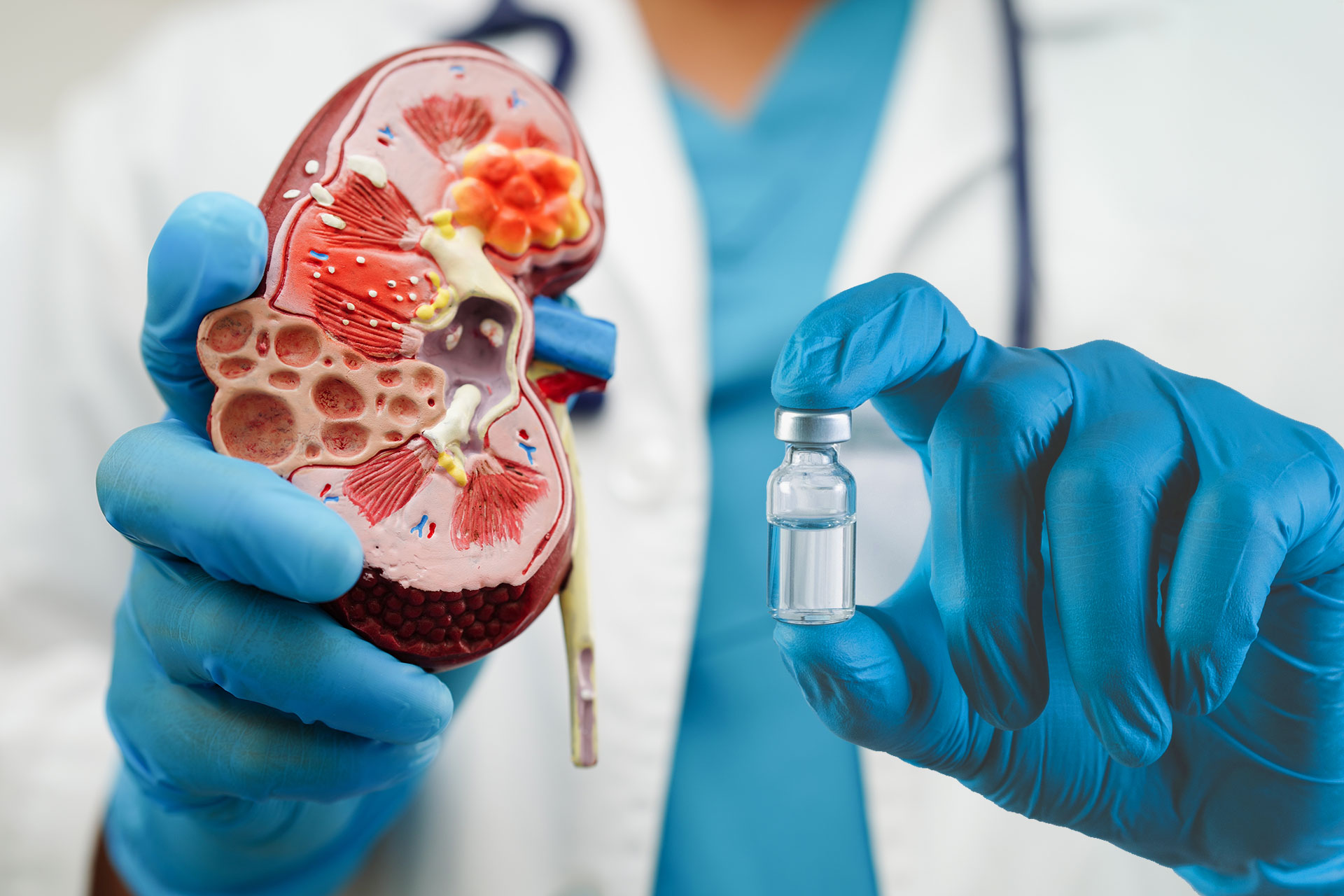
Researchers reported in the journal Nature Biomedical Engineering that they have successfully converted a kidney from type A blood to type O blood and transplanted it, an advance that could reduce wait times for new organs and potentially save lives.
Type O patients, who make up more than half of the people on kidney waiting lists, can only receive organs from donors with the same type. However, kidneys from type O are often transferred to others because they can be compatible with all other types.
The researchers explained that – as a result – patients from the “O” group usually wait longer, ranging between two and four years, and many of them die while waiting.
Traditional methods to overcome blood type incompatibility require days of intensive treatment to suppress the recipient’s immune system, while the new approach uses special enzymes to effect the change in the organ rather than the patient.
In a first-of-its-kind experiment in humans, an enzyme-converted kidney was transplanted into a brain-dead recipient. For two days, the kidney functioned without signs of the rapid immune reaction that can destroy an incompatible organ within minutes.
By the third day, researchers saw a mild reaction but the damage was much less severe than the blood type mismatch, and according to the report there were signs that the body was beginning to accept the new organ.
“This is the first time we’ve seen this in a human model,” said Dr. Stephen Withers from the University of British Columbia, who co-led the development of the enzyme. “This gives us invaluable insight into how to improve long-term outcomes.”
The researchers stated that regulatory approval to conduct clinical trials is the next hurdle.