

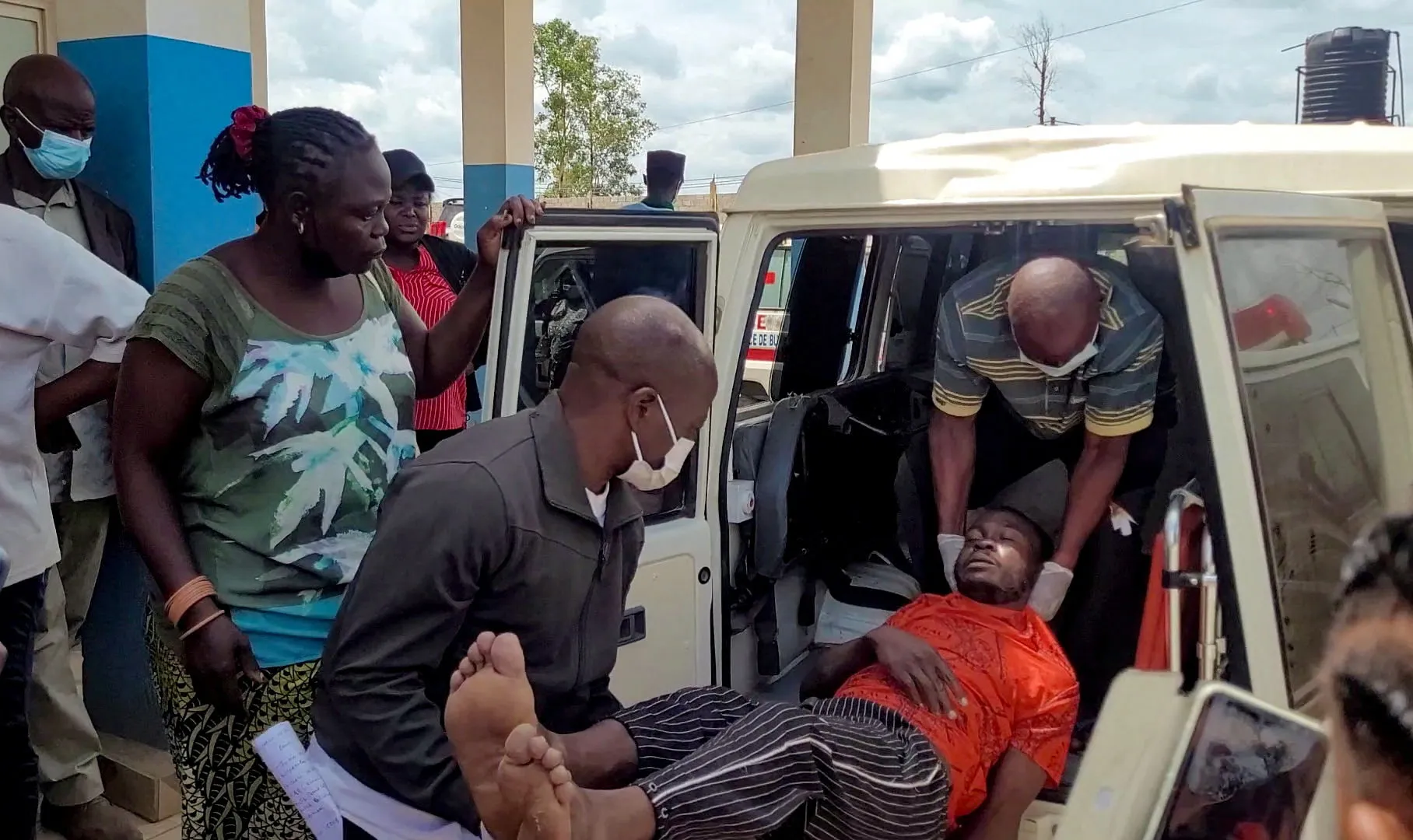
The World Health Organization declared an international emergency on Sunday following the outbreak of the rare “Bundebugyo” strain of the Ebola virus in Congo and Uganda.
At least 300 suspected cases and 88 deaths have been recorded so far, with real fears that the actual numbers are much higher, according to the British newspapers The Guardian and The Independent.
Below are 4 main questions that answer the most important questions related to the disease and its possible consequences.
1. What is Ebola?
It is a very contagious and often fatal disease, often leading to viral hemorrhagic fever, according to The Guardian.
It is caused by various viruses that are often associated with fruit bats, and it has 4 strains that infect humans: “Zaire, Sudan, Bundibugyo, and Thai Forest.”
The disease is transmitted from animals to humans, and from one person to another through the bodily fluids of an infected person.
2. Why is Bundibugyo dangerous?
The Bundibugyo strain is one of the four main types causing Ebola hemorrhagic fever.
According to the Independent, this is only the third outbreak in the history of this strain; It appeared for the first time in Bundibugyo District in Uganda (2007-2008) and infected 149, of whom 37 died. Then it appeared for the second time in the Republic of the Congo (2012) and infected 57, of whom 29 died.
Medical estimates indicate that the death rate of this strain ranges between 30% and 40% of the total number of infected people, which is higher than the death rate of Covid-19.
Some of its symptoms according to reports are:
- Sudden fever and severe headache.
- Muscle pain and general weakness in the body.
- Skin rash, diarrhea, vomiting, and internal and external bleeding.
Dr. Simon Williams, an infectious diseases expert at Swansea University, explains to the Guardian that the famous and internationally approved Ebola vaccine (called Ervibo) is completely ineffective against this rare strain.
He adds that the disease can be fatal to anyone who contracts it, and its danger is not limited to the elderly or people with weak immunity, as was the case with Covid-19.
Since there are no specific treatments or vaccines for this specific strain, controlling the disease depends entirely on isolating infected people and tracing contacts, which seems almost impossible in the current region’s environment, according to the expert.
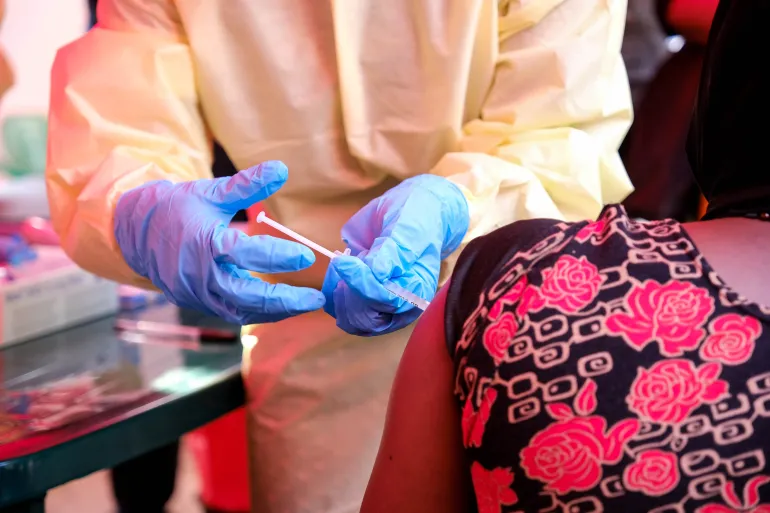
What does declaring a state of emergency mean?
Oxford University health experts explain to The Independent that the WHO announcement does not mean that the epidemic is out of control globally, but rather is a warning to urge the international community to coordinate and provide immediate financial and logistical support.
Healthcare staff face very complex challenges in controlling the virus for several reasons, including the geographic reach of infected areas and the possibility of cases reaching densely populated cities.
Trudy Lang, professor of global health research at the University of Oxford, adds that the medical and security teams involved are already exhausted in light of the current outbreak of “monkeypox.”
How widespread is it?
The Guardian revealed a catastrophic time gap in monitoring the epidemic. The first case discovered was a 59-year-old man who showed symptoms on April 24 and died three days later on April 27.
The health authorities did not learn of the outbreak until May 5, and surprisingly, the report came through posts on social media, according to the Guardian.
This delay meant that the virus spread freely for several weeks, and when the authorities acted, 50 people had already died.
According to what experts told the newspaper, the main focus of the outbreak is located in Ituri Province, east of the Democratic Republic of the Congo, an area witnessing ongoing armed conflicts, which makes it difficult to limit the spread of the virus.
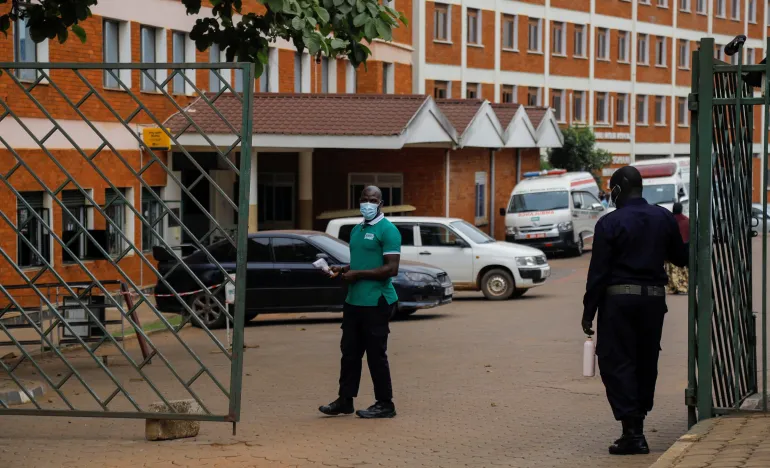
Its transmission across the border into neighboring Uganda was officially confirmed by two infected people who traveled from the Congo, and one of them died in a hospital in the capital, Kampala.
The World Health Organization fears that the high infection rate among those tested, along with the spread of the disease to a major capital like Kampala, are worrying indicators that the true scale of the outbreak is “much larger” than what is currently being monitored and reported.