

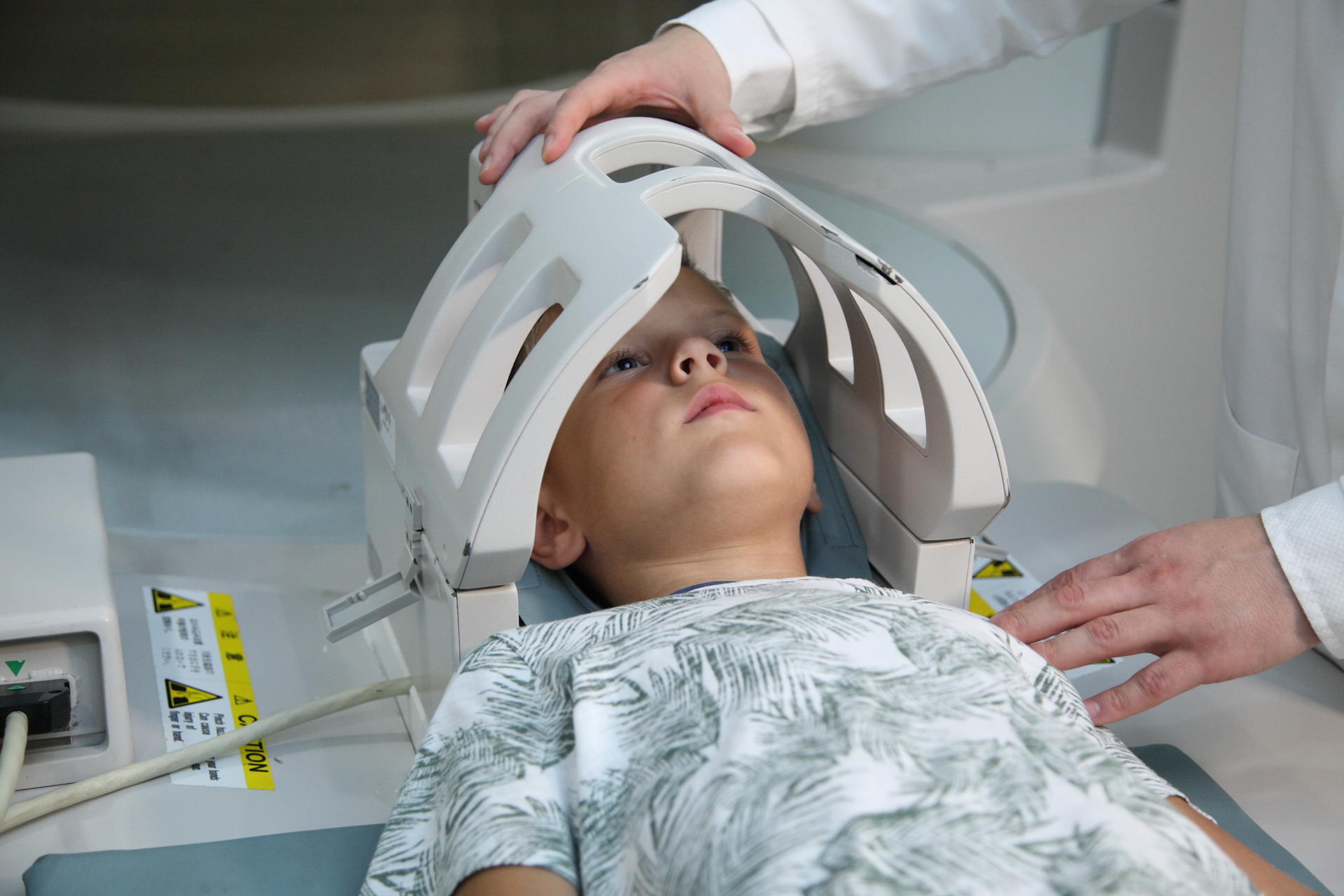
A new study revealed the adoption of the Embryonal Tumor with Multilated Rosettes on a genetic change that keeps the tumor cells in an immature and aggressive state. The multi -layer fetal tumor is a rare encephal tumor that affects young children.
The study was conducted by researchers at the Dana Farber/Boston Cancer and Blood Disorder Center, the Broad Institute of the Massachusetts Institute of Technology and Harvard University in the United States, and its results were published in the Nature Cancer magazine on May 26, and was written by the Yurrick Alert website.
Through the examinations, the research team discovered that the venerable fetal tumor cells simulate the early growth of the brain, and form a hierarchical sequence of stem cells similar to cells (self -renewable and more chemotherapy and radiotherapy of other surrounding cancer cells) and neurons (cells similar to neurons can preserve On long -term electrical excitement).
This cellular cooperation is necessary for the growth of the tumor, as the most mature cells provide signals that help stem -like cells to survive and prosper. These results provide promising prospects for targeted treatments that can improve the results of patients with this aggressive disease.
“This is the first time that we have been able to study this deadly tumor through this new lens of the single cell sequence,” said Dr. Mariel Philippine, the participating director of the brain tumor center at the Dana Farber Center/Boston for cancer and blood disorders.
It is interesting how all tumor cells, despite their difference, help each other to stay and grow. Learn how to disrupt its cooperation, by blocking one of the lines of communication between them, for example, is necessary to treat this cancer in the future.
How do cells cooperate?
The cell membrane appears receptors called Fibroblast Growth Factor Receptor (FGFR), and plays decisive roles in cells during the growth stages as well as in adult cells. The disruption of the FGFR receptors has been associated with a wide range of cancer.
Other receptors named “NOCH” receptors appear on the surface of the cell, and the short -range signals are transferred by interacting with transient hymen. This reaction affects the cell division, fate and death.
Dr. Volker Hofstad, co -author of the study of the Dana Farber/Boston Cancer and Blood Disorders, and the Broad Institute of the Massachusetts Institute of Technology and Harvard University in the United States, said, “We discovered that the FLG receptors and the NTC HH receptors appear on cells inside the tumor that resembles neurons, while the most malignant cells provide the most malignant cells Differentiating the same tumor with the opposite poles, which indicates a coordinated role in supporting the growth of the tumor.
The study highlights the possibility of reusing the current FGFR inhibitors approved by the US Food and Drug Administration, which showed early success signs of one patient treated under medical supervision.
The study calls for more studies to test the FG FR and NTCH in the patients with multi -layer fetal tumors, and these results provide a strong logical basis for more effective targeted treatments, which may cause a qualitative shift in treating children with tumor.