

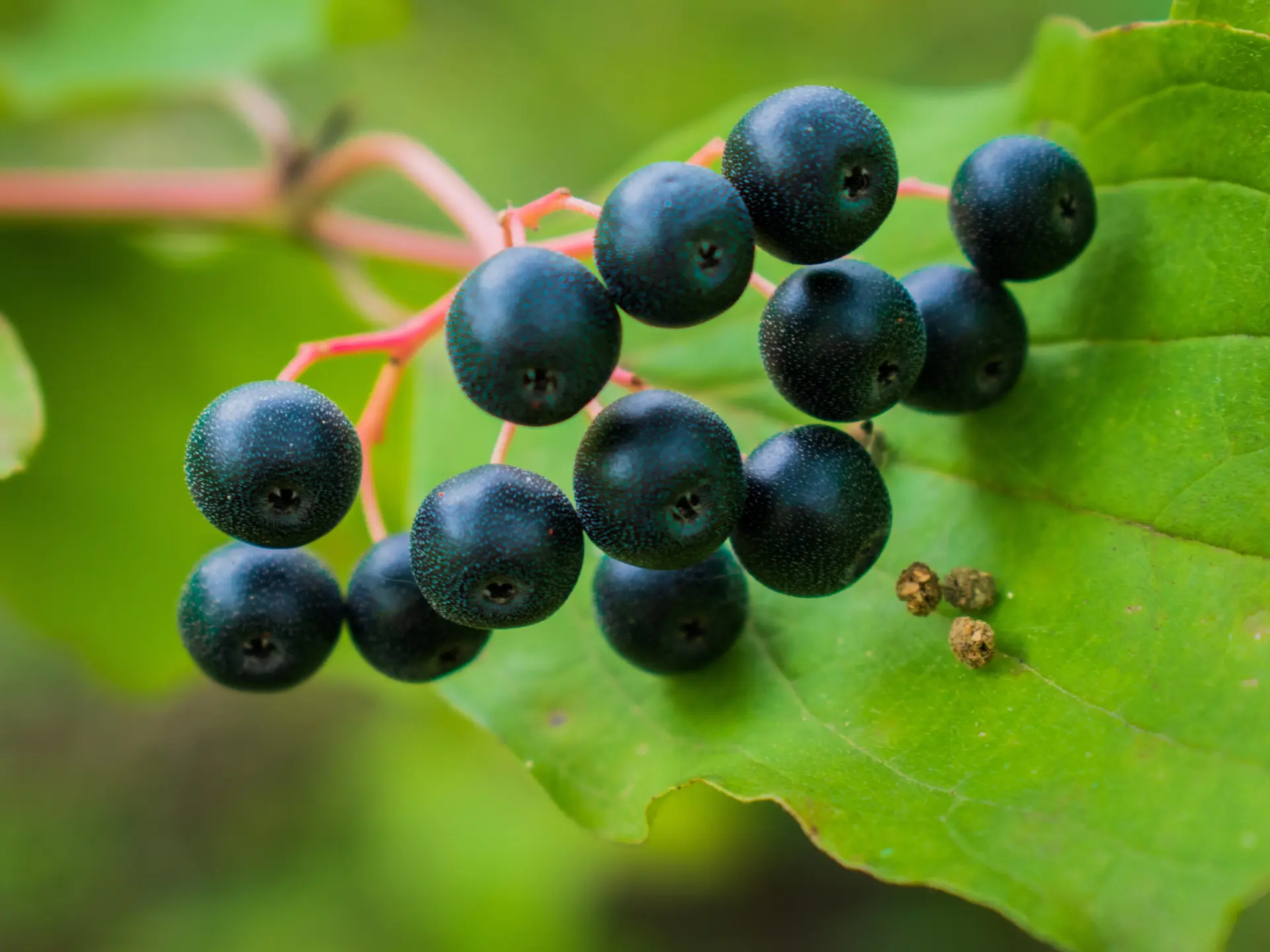
At first glance, black currants appear to be nothing more than a small, dark fruit with a sweet and sour taste. But behind this deep purple color hides a rich chemical composition that has made this plant a subject of increasing interest in the fields of nutrition, health, pharmaceutical and cosmetic industries.
Black currant seed oil is extracted from a plant with the scientific name Ribes nigrum L., which is native to Central Europe and northern Asia. This plant belongs to the mulberry family, and its seeds are found inside the fruit, which can be eaten fresh or cooked.
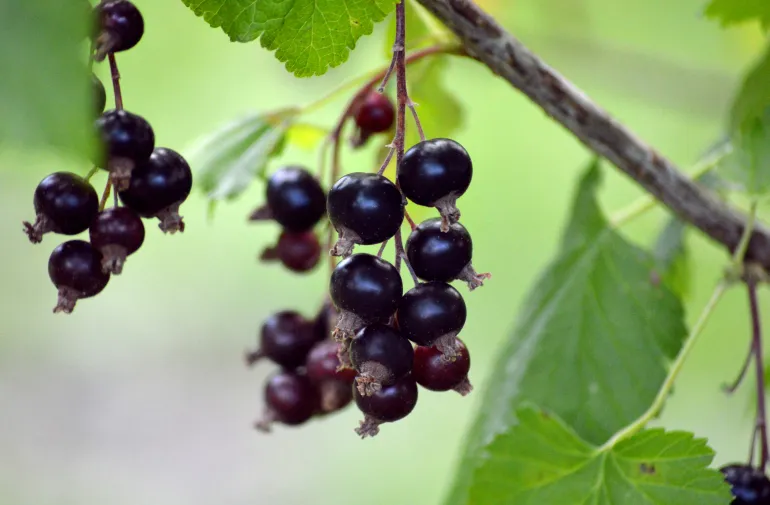
Black currant fruits are characterized by their high levels of phenolic acids, organic acids, polyunsaturated fatty acids, and polyphenolic compounds, especially anthocyanins, which are the compounds that give them their dark color and antioxidant, anti-inflammatory, and antibacterial properties, as well as research indicators linking them to reducing the risk of some heart and arterial diseases.
Although studies on the health role of black currant are still relatively limited, its rich composition has qualified it to gain a special place in medical research, especially with regard to skin health and chronic infections.
Oil rich in fatty acids
Black currant seed oil is one of the richest natural sources of fatty acids, as its percentage reaches about 88.6%. This oil is characterized by a remarkable nutritional balance between omega-6 and omega-3 acids, with a ratio estimated at about 3.3.
The oil contains an important group of fatty acids, primarily linolenic acid, then gamma-linolenic acid, alpha-linolenic acid, stearidonic acid, oleic acid, and palmitic acid, in addition to other compounds such as tocochromanols and phytosterols.
This combination made black currant seed oil enter the cosmetic and pharmaceutical industries, and also encouraged researchers to study its properties as a promising option in dealing with some skin problems, most notably eczema.
Eczema is a chronic disease with complex causes
Atopic dermatitis, also known as atopic eczema, is a chronic allergic skin disease. This disease leads to skin irritation and the appearance of inflamed and reddish spots, often accompanied by severe itching that increases at night, and may cause skin pain, sleep disturbance, and constant anxiety in the affected person.
Eczema appears in childhood in about 80% of cases. Global infection rates among children range from 2.7% to 20%, while among adults it ranges from 2% to 10%.
The disease is not due to one clear cause, but rather immunological, environmental and genetic factors interact in its occurrence. Data indicate that if one of the parents suffers from eczema, the child’s risk of developing eczema may increase to about 40%, while the percentage reaches 80% if both parents are affected.
Although the exact mechanism of atopic dermatitis is still not fully resolved, studies indicate that immune system disruption and systemic inflammation may contribute to worsening symptoms.

Limited treatments and concerns with prolonged use
Despite medical development, treatment options for eczema are still limited, especially since patients’ response varies from one person to another, and some medications may be accompanied by side effects or may not be suitable for all cases.
The first line of treatment often relies on topical preparations containing corticosteroids, popularly known as cortisone. Despite its effectiveness in controlling inflammation, its use for long periods may be associated with side effects, and some patients’ response to it may decline over time.
For this reason, some patients turn to searching for safer natural alternatives in the long term, in the hope that they will help relieve symptoms or reduce the need for traditional treatments, while emphasizing that any alternative should not be used as a substitute for medical treatment without consulting a doctor.
Why might black currant oil benefit the skin?
One of the basic hypotheses in explaining eczema is based on the presence of a defect in the skin barrier, as a result of a deficiency of some fatty acids and ceramides, which are essential components that help the skin retain its moisture and resist external factors.
Eczema patients usually suffer from increased water loss through the outer layer of the skin, which increases dryness, itching and inflammation. Therefore, consistent moisturizing using products containing fatty acids similar to those found naturally in the skin may help support the skin barrier and reduce dryness.
Hence the interest in black currant seed oil, because it contains effective fatty acids that may contribute to improving skin hydration and reducing inflammation. Oral supplements and topical oils rich in these acids have been tested in various studies, looking for their potential effect on eczema.
Animal experiments showed promising indicators, but clinical evidence in humans still needs more research before the oil can be approved as a confirmed treatment.
Promising but temporary results
One of the most prominent studies on black currant seed oil is a randomized, double-blind, placebo-controlled trial, conducted by researchers from the University of Turku in Finland, and published in 2010 in the journal Clinical & Experimental Allergy.
The study aimed to evaluate the effect of black currant seed oil supplements in preventing atopic inflammation in children up to two years of age. The experiment included 313 pregnant women, and they were randomly distributed into two groups. The first group included 151 women who received black currant seed oil, while the second group included 162 women who received olive oil as a comparison subject.
Participants began taking the supplement at a dose of 3 grams per day between the eighth and sixteenth weeks of pregnancy, and continued until the end of the exclusive breastfeeding phase. After birth, the children received the same oil according to their mother’s group, in one-milliliter drops daily until they were 24 months.
The children had blood and skin analyzes at 3 stages: at 3 months, then 12 months, then 24 months. The results at 12 months showed a significant decrease in the prevalence of eczema among children in the black currant seed oil group, as the percentage reached 33% compared to 47.3% in the olive oil group.
However, the differences between the two groups disappeared when the children reached 24 months. It is noteworthy that atopic or allergic infections were common among the parents of the children participating in the study at a rate of 81.7%, which means that the children were essentially more susceptible to developing eczema due to the genetic factor.
The researchers explained the decline in the effect at the age of 24 months by the possibility that this is related to a change in the quality of the diet after the introduction of new foods into the lives of children, which may affect the balance of some fatty acids associated with atopic inflammation, such as the ratio of omega-3 to omega-6.
Accordingly, the researchers indicated that black currant seed oil may be a temporary preventive measure in the early stages of life, but this does not mean that it is considered a decisive or permanent treatment for eczema.
Moisturizing the skin through nanopatch
In a different research direction, researchers from Poland led by Urszula Stacewicz tried to benefit from the moisturizing properties of black currant seed oil, especially since it contains gamma linolenic acid at a rate ranging between 11% and 19%.
In a study published in 2022 in the Chemical Engineering Journal, researchers developed skin patches made of polyimide films using electrospinning, a technology that produces tiny nanofibers characterized by high porosity and elasticity.
The researchers added 10 microliters of black currant seed oil to these patches to enhance their moisturizing ability, then applied them to intact skin for 6 hours. The results showed that these patches helped effectively moisturize the skin, which prompted the researchers to recommend completing the experiments on people who already suffer from atopic dermatitis.
A newer experience: slower release and longer hydration
Two years later, the same research team returned and published the results of a new experiment in the journal ACS Applied Materials & Interfaces. In this study, researchers used polyimide nanofiber skin patches coated with cholesterol molecules and black currant seed oil to evaluate their effect on atopic dermatitis.
The results showed that black currant seed oil was more effective when used inside these patches than when applied directly to the skin. This is because cholesterol molecules penetrating the nanofibers helped delay the release of all the oil at once.
Thanks to this gradual release, the skin continues to be hydrated for up to 6 hours, with better water retention and reduced water loss. The patches also helped reduce inflammatory markers and promote healing when tested on the skin of mice with atopic dermatitis, with an improvement in bothersome symptoms associated with the condition.
These results open the door to further experiments to evaluate the possibility of manufacturing these patches and using them in the future as a long-term option for dealing with eczema, but the path still requires broader studies on humans before they are approved medically.
Promising hope
Black currant seed oil appears to be a promising natural ingredient in the field of skin care, thanks to its richness in fatty acids and its anti-inflammatory and antioxidant compounds. Preliminary studies, whether through oral supplements or skin patches, give it a status worthy of scientific follow-up.
But caution remains necessary. The available evidence is not yet sufficient to consider black currant oil a proven treatment for eczema, but rather indicates its potential benefit in supporting skin hydration and reducing some indicators of inflammation, especially at certain stages or within modern delivery techniques.
So, black currants may be a small fruit, but they open up a big question in dermatology: Can nature, when scientifically understood and used with caution, give eczema patients gentler, longer-lasting alternatives?