

The Chinese government is seeking to address the problem of obesity among its 1.4 billion population, including more than 50% of adults with weight gain.
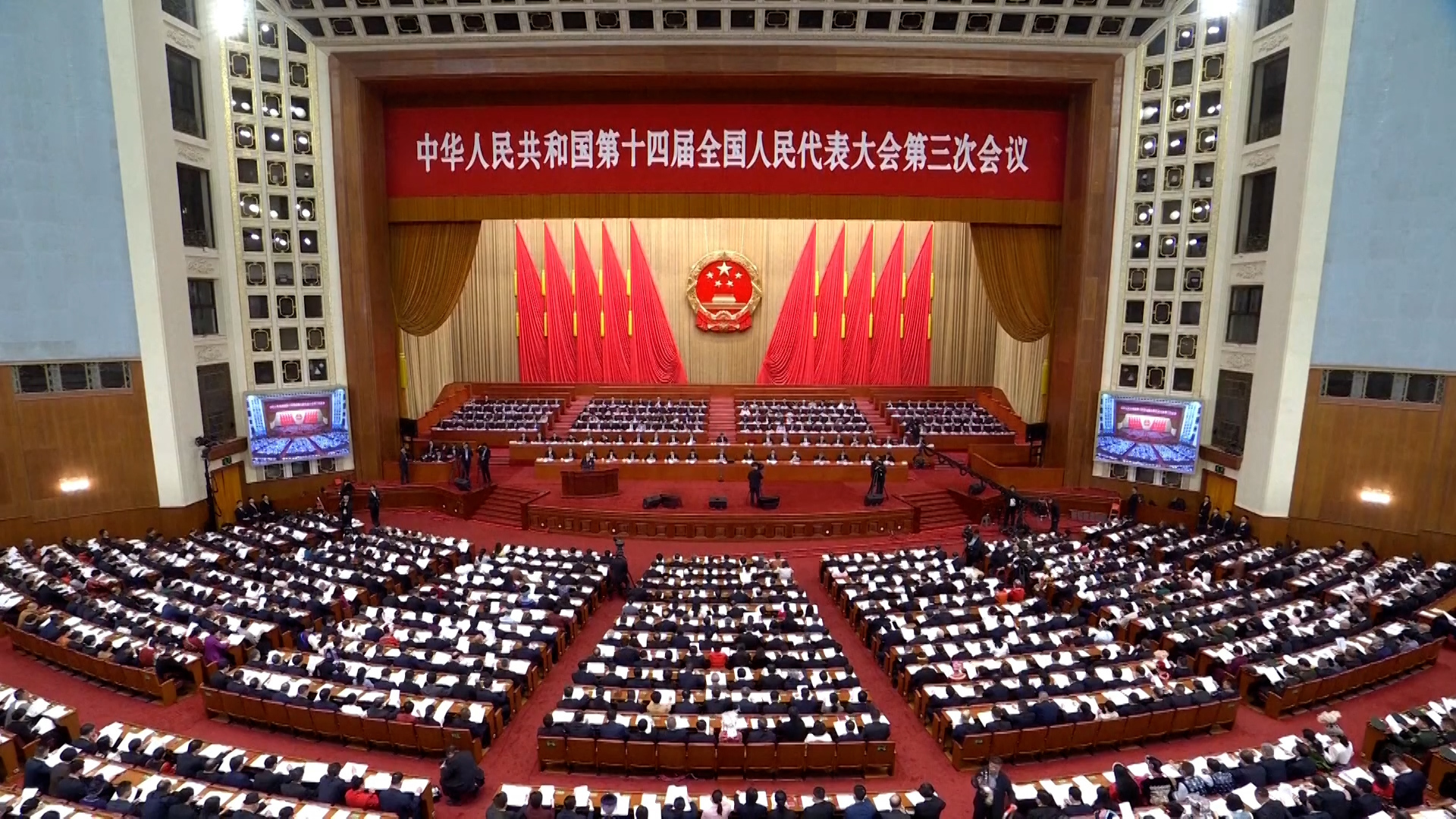
The Minister of National Health Committee, Lee Heicho, said during a press conference held on Sunday in Beijing on the sidelines of the People’s Conference sessions, that some “comrades” find it difficult to control their weights, suffer from weight gain, and even diseases
Chronic.
To confront this phenomenon, the minister explained that the medical facilities will work in the coming years to spread more health awareness, and consulting centers will be established for external patients.
The hotels will also encourage the provision of their rooms with scales as a standard measure, so that businessmen and others can follow their weight regularly.
The response to the problem of obesity is a relatively new matter for China, which has suffered from severe famine crises in the middle of the last century.
In a press release issued last year to announce the first multidisciplinary guidelines to combat obesity in the country, officials acknowledged that “China has struggled for several centuries to feed its huge population.”
The statement added that malnutrition, not obesity, was the main problem before reforms and economic openness in the late 1970s.
But the increased prosperity changed the equation, as chronic diseases such as diabetes and cardiovascular diseases have become a major threat to public health in China, and are closely related to lifestyle, according to me.
Expectations do not seem encouraging, as the National Health Committee stated that in 2020 more than half of the adults in China were overweight, but it warned that this percentage may rise to 65.3% by 2030.