

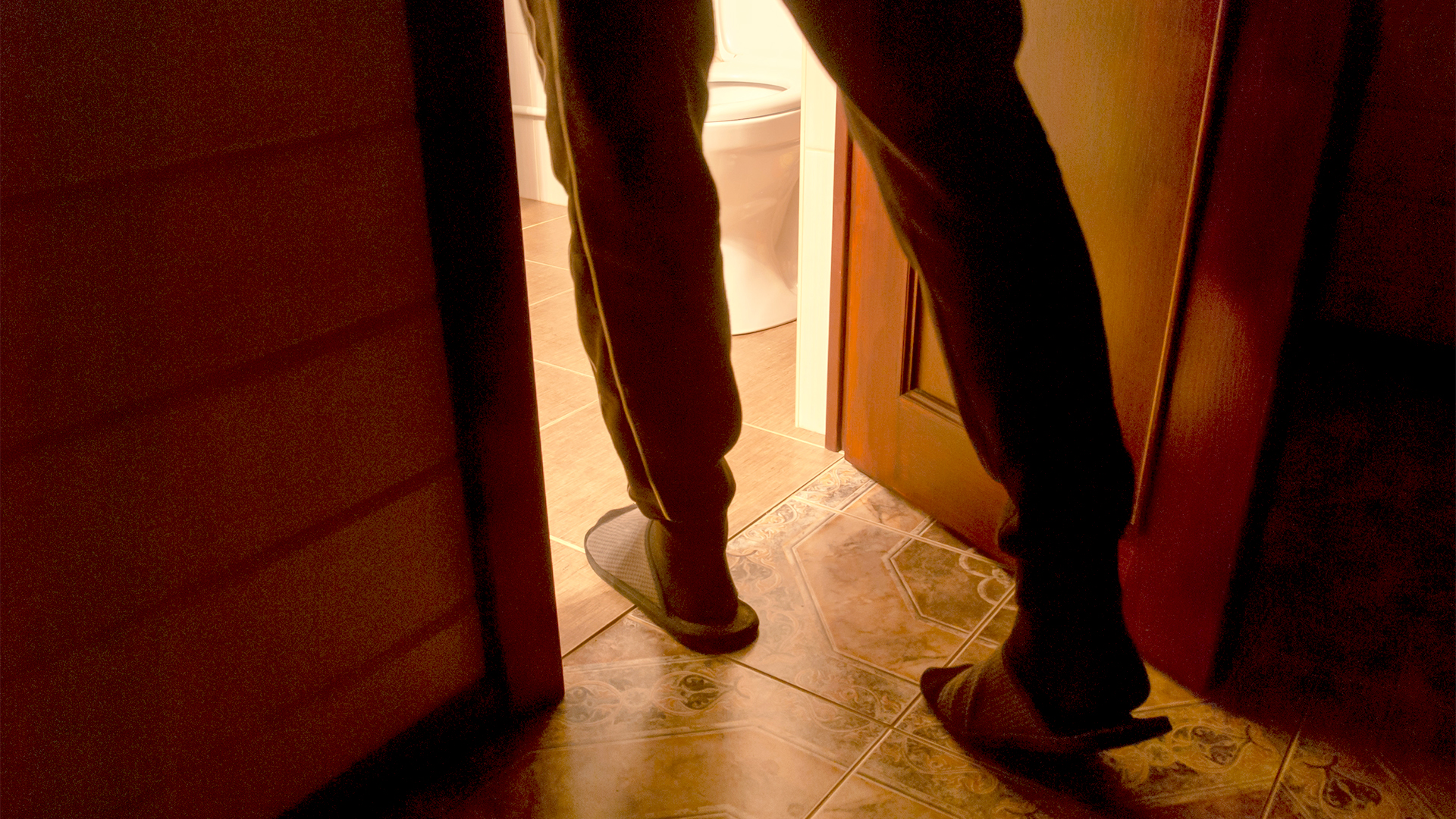
The use of pigeons to reserve can help prevent accidents between children who tend to imprison urine, and work continues with the strategy of using the bathroom to reserve even at great ages in order to avoid the need to use it outside the home.
Urology doctors call this practice comfortable or pre -emptive urination, and people of all ages practice it, often before leaving the house or before bed.
Dr. Ariana Smith, a professor of urinary tract surgery at the Penclemia University College of Pennsylvania, told the US New York Times that urination from time to time will not cause great harm. She added that doing this several times a day can increase the possibility of bladder problems by disrupting the natural feedback ring between the bladder and the brain.
How does pre -emptive urination affect the health of the bladder?
To understand the reason that the pre -emptive urination is harmful, it is useful to know how the bladder works. While the kidneys filter the blood to remove waste, the urine homa that is transferred to the bladder.
Women can usually store up to 500 milliliters of urine, or nearly two cups, in their bladder; While men can store 700 milliliters, or approximately 3 cups.
A person usually feels the need to use the bathroom long before this limit reaches, when the bladder contains between 150 and 250 milliliters of fluids, when the bladder is filled, nerve signals are sent to the brain, we learned that the time has come to go to the bathroom.
Experts reported that when urinating a precaution, the bladder begins to alert the brain very early, before collecting the natural amount of urine. “This disorder can reduce” the size of the urine that your bladder can accommodate over time. “
Also, urination before the need increases the possibility of stress, and Catherine Burgio, behavioral psychologist and an honorary professor in aging medicine, aging medicine and palliative care at the University of Alabama University in Birmingham in the United States, said that doing this puts additional pressure on the pelvic bottom muscles – a muscle group that supports bladder and other organs – and can weaken them.
Dr. Siuban indicated that urination in a precaution may lead to the injury of people with the hyperactivity of the bladder, a condition characterized by a strong and repeated desire to urinate.
Is it possible to get rid of this habit?
The brief answer is yes. Researchers have found that the brain has greater control than we believe, or as Dr. Allen Markland, head of the Department of Aging Medicine at the University of Utah University in the United States, loves to say to her illness: “The mind controls the bladder.”
If you want to reduce preventive rest periods in the bathroom, try deep breathing, dispersal, or self -phrases such as “I am in control”.
Some small studies indicate that mental vigilance techniques can reduce the sudden desire to urinate, more research is needed, but experts believe that such methods can help you re -train your bladder to send signals only when accumulating quantities of fluids.
If you are already suffering from cases such as bladder or urine hyperplasia, there are other things you can try.
Try physical therapy
Dr. Siuban said that there is an increasing group of research indicating that the physical therapy of the pelvic floor muscles can help people control more at the time of urination.
Patients can by working with a physical therapist learn how to run and strengthen these muscles to control the bladder.
“We know people wait, take a deep breath, and tighten the pelvic bottom muscles repeatedly,” said Dr. Catherine. This will help “calm the bladder, and thus the desire disappears.”
Watch what you drink
Experts emphasized that lifestyle adjustments such as fluid management can also help, caffeine and high acidity drinks, and even some industrial ingredients, such as localities, can irritate the lining of the bladder and cause repeated desires to urinate.
Dr. Ariana said that reducing caffeine intake “is something that we have seen beneficial to many”, as it could reduce the desire to urinate.
See your doctor
Cases such as diabetes or sleep apnea can cause repeated desire to urinate. Other treatments, such as medications, may be options available in such cases.