

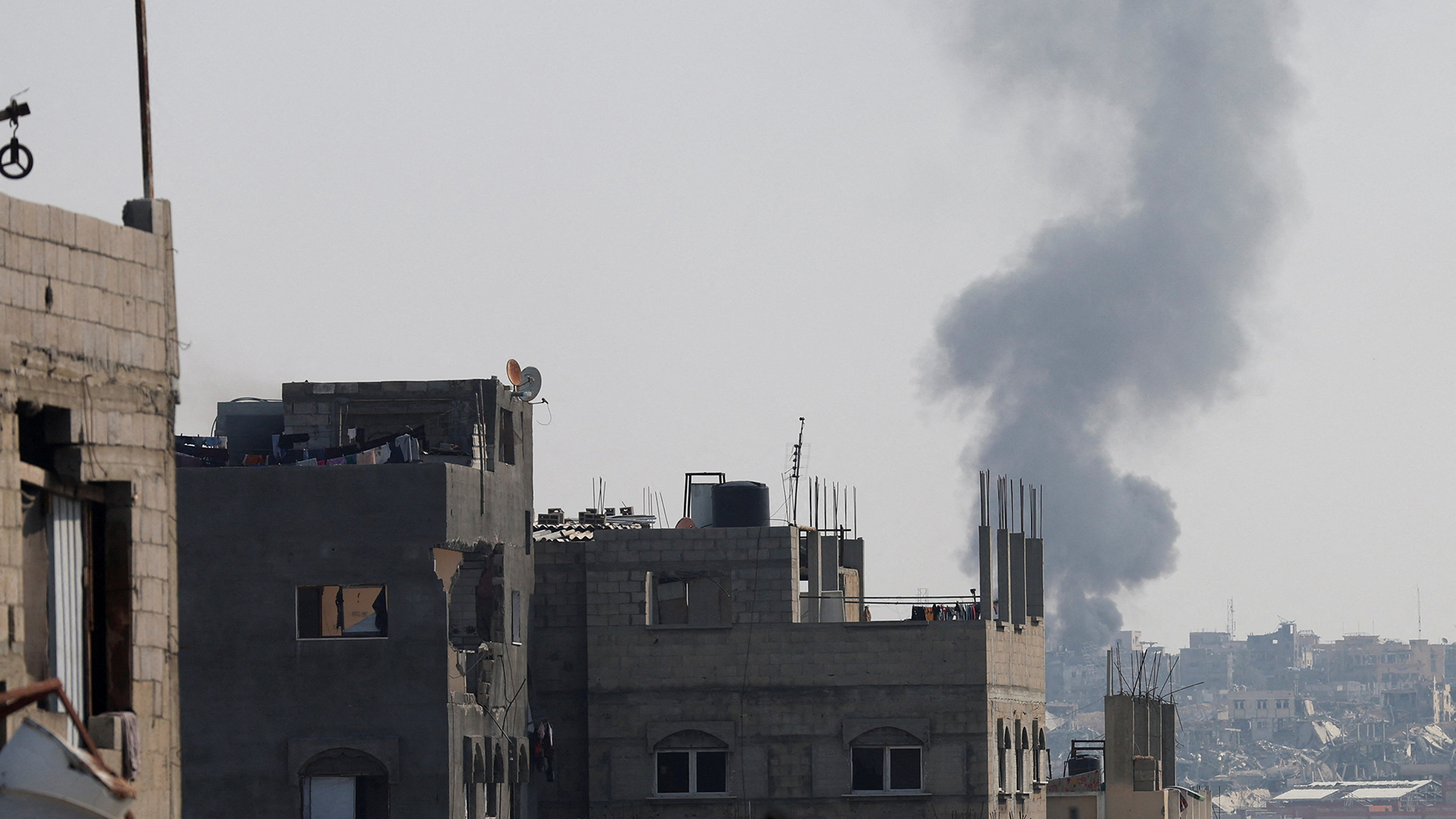
The Director-General of the Ministry of Health in the Gaza Strip, Munir Al-Bursh, said on Wednesday that Israel allows the entry of recreational goods into the Strip, and prevents medicines and basic medical supplies from hospitals that are still suffering from the repercussions of the genocidal war.
In previous statements, the government media office in Gaza said that Israel deprives Palestinian civilians in the Strip of 350 types of basic foodstuffs needed by children, the sick, the wounded, and vulnerable groups, while allowing the entry of goods with low nutritional value.
Al-Bersh explained in a statement to Anadolu that Israel is flooding the Gaza Strip with secondary goods, entertainment materials, and modern phones, while closing the gates to medicines, intravenous solutions, antibiotics, dialysis machines, and surgical supplies.
He added that this reality represents an attempt to beautify the siege with a deceptive commercial façade, while hospitals remain without sufficient equipment, operating rooms without equipment, medicines are distributed in limited quantities, and fuel and communications are almost non-existent.
He considered that the health system in Gaza operates in conditions that are unlike any health system in the world, but rather a daily survival zone with almost non-existent capabilities.
Regarding the numbers of health deterioration after the war of extermination and the ceasefire, Al-Bersh said that the shortage of basic medicines reached 54%, while 40% of emergency medicines became zero, and the zero shortage of medical supplies reached 71%, which is the highest in the history of Gaza.
He added that 82% of children under one year old suffer from anemia, and that 18,100 patients are waiting to travel for treatment, stressing that their lives depend on a political, not a medical, decision.
He continued that 1,000 patients died while waiting for treatment abroad despite having official papers, while he pointed out that about 6,000 people had their limbs amputated without rehabilitation programs.
This comes at a time when the health sector in Gaza is suffering an almost complete collapse in its diagnostic and treatment capabilities, as the Israeli army, during the genocidal war, deliberately targeted Gaza’s hospitals and its health system, which led to most of the hospitals in the Strip being out of service and endangering the lives of the sick and wounded, according to Palestinian and UN data.
The United Nations estimates the cost of rebuilding Gaza at about $70 billion, as a result of the repercussions of two years of the Israeli war of extermination, which led to the death of more than 69,000 Palestinians and the injury of about 171,000.