

When you think of vitamin C, you probably think of oranges. This sweet citrus fruit contains 70 to 90 milligrams of the vitamin, which has great health benefits. It is an amount that meets the doctor’s recommended amount of 90 milligrams per day for men, and exceeds the recommended 75 milligrams for women. Getting the recommended daily amount of the vitamin can help protect your skin and bones, as well as reduce your risk of cancer, heart disease, and the common cold.
In fact, for many families, oranges – and their juice – have become a common everyday preventative and treatment for diseases.
“It’s an essential nutrient, which means your body doesn’t make it, so you have to get it from your diet,” said registered dietitian Devon Burt.
The good news is that you can get vitamin C from more than just an orange. Here are some other more common foods that provide this vitamin in greater amounts:
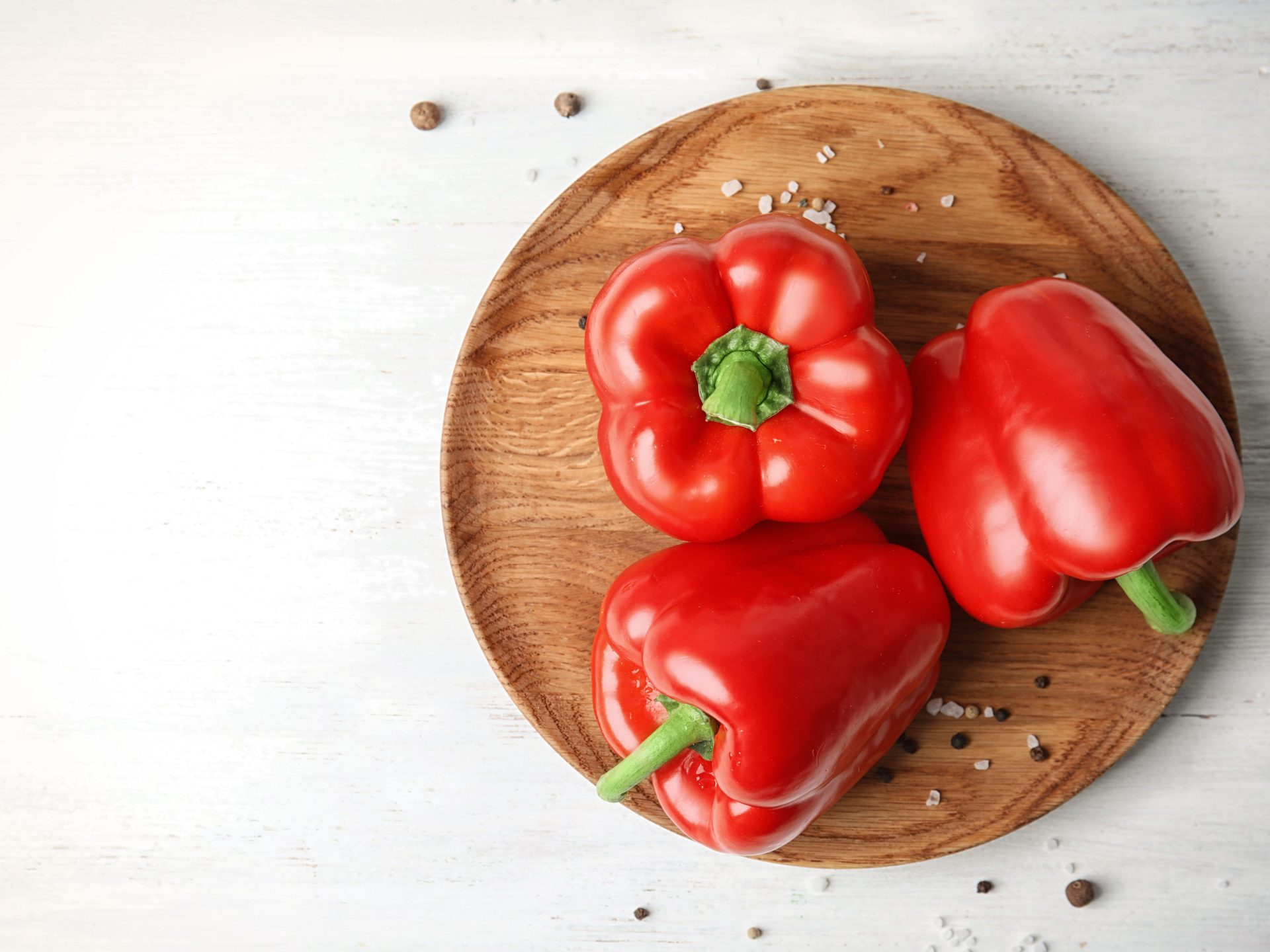
Sweet red pepper
Sweet red peppers contain approximately 3 times more vitamin C than oranges, at a rate of 190 milligrams per fruit.
“One medium-sized red pepper contains more than 150% of the recommended daily amount of vitamin C,” Burt confirms.
Sweet red peppers are delicious when roasted and stuffed with beef and vegetables, or served as a snack with healthy ranch dressing, and they are also a great source of vitamin A, which is essential for eye protection.
Guava
Guava is a little-used tropical fruit, rich in flavor, and contains up to 247 milligrams of vitamin C, depending on the type.
Most cultivated guava varieties, of which there are dozens, provide shoppers with 200% of the daily recommended amount of vitamin C.
Chop them and mix them into a Caesar salad or add them to vanilla ice cream for a refreshing dose of vitamin C. This fruit is also rich in fiber, containing 5.4 grams, or more than twice the amount found in oranges.
Kiwi
A cup of raw kiwi contains at least twice the amount of vitamin C found in oranges, which contain 137 milligrams.
“Eat one kiwi for breakfast, and you will have consumed about 117% of your daily recommended amount of vitamin C,” Burt said.
Kiwis are a great choice when sliced over oatmeal or in a smoothie. This fluffy fruit is also rich in essential vitamins and minerals, such as vitamin E, which protects the immune system. It contains 7% of the recommended daily amount of 15 milligrams.
“Kiwis are one of the few fruits that contain a good amount of vitamin E,” said nutritionist Gillian Culbertson. “Studies show that the vitamin E in kiwis is highly bioavailable, so your body can use them easily.”
Watercress
This amazing vegetable contains at least twice the amount of vitamin C found in oranges, with 80 grams of watercress containing 50 milligrams. That is, 10 additional milligrams of orange for the same weight.
Although watercress is mostly water, it is a good source of vitamin K, with each cup containing 85 micrograms. This is close to the recommended amount of 90 micrograms for women and 120 micrograms for men.