

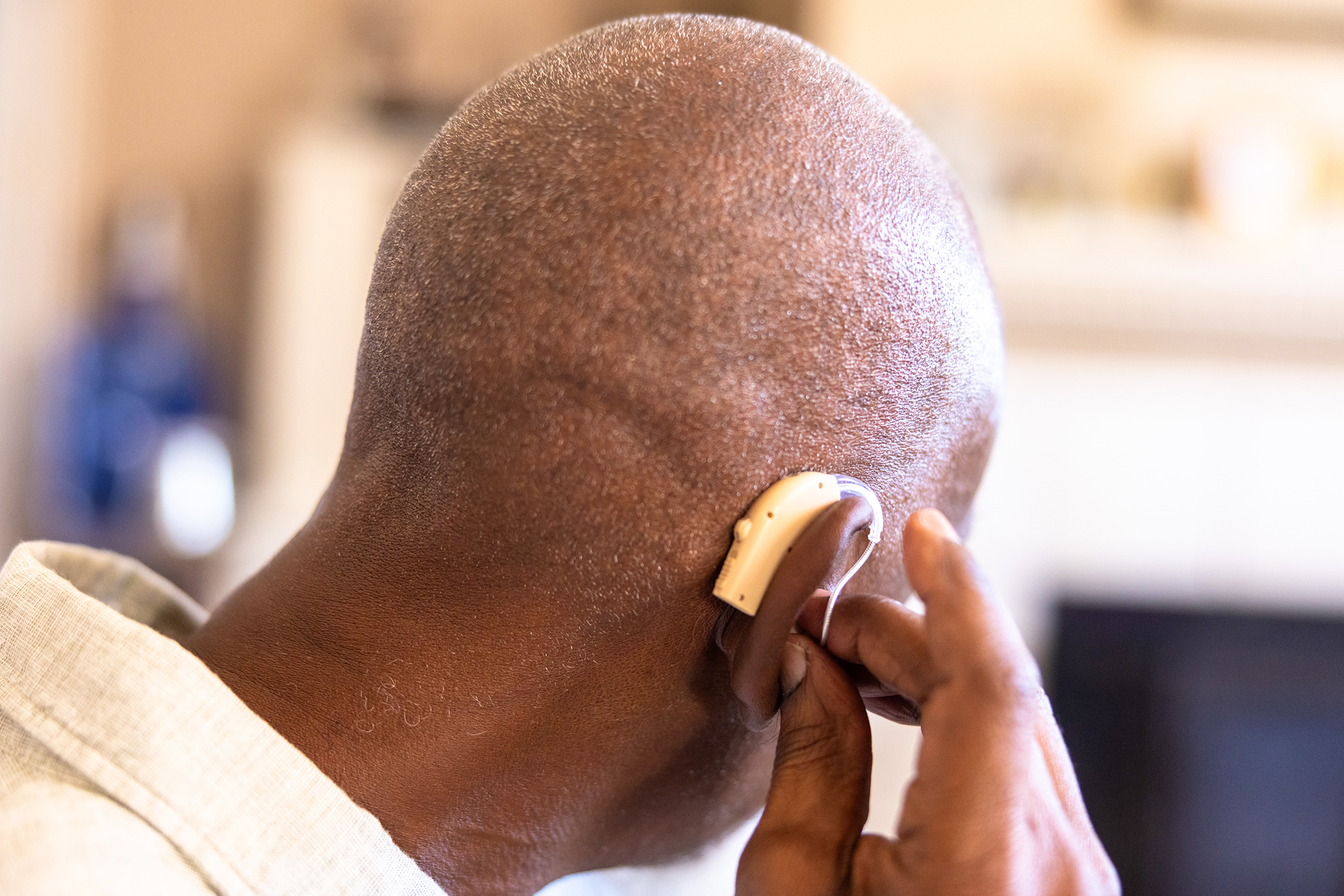
Many hearing aid users suffer from ear pain and infections. What are its causes? How can it be faced?
Acclimatization period
To answer these two questions, the German Association of Hearing Instrument Specialists said that ear pain, infections, and headaches in hearing aid users often occur during the period of adaptation to hearing aids, and this applies in particular to cases of advanced hearing loss or treatment at a late stage. Because the auditory center in the brain has received little or no stimuli for a long time.
If more stimuli reach the brain via the auditory nerve, this may lead to sensory overload, causing stress, fatigue, and headaches for those who use it.
In such cases, the headphones must continue to be worn regularly so that the brain can readapt to the impulses. Experience shows that headaches usually go away on their own after a while.
Hearing aid specialists can also reduce the efficiency of hearing aids slightly, for example to 90%, allowing for gradual adjustment; The energy increases gradually over several months.
A hearing aid specialist can help if:
– The volume is not set correctly.
– The earmold is too tight, too large, or does not fit well and is causing pressure points.
– The device was pressing on the bone behind the ear, which could lead to skin irritation or inflammation.
Ear infections
In-ear hearing aids, in particular, increase the growth of germs and bacteria. This is because they often cause blockages, which may lead to moisture accumulation in the ear. Hearing aids partially block the ear canal, impairing ventilation. Therefore, it is not permissible to wear hearing aids at night, as this allows the ear to remain well ventilated, prevents dryness and rejuvenates the skin.
However, ear pain may also be caused by an infection in the middle ear, in which case, an otolaryngologist should be consulted.
How to clean hearing aids
In general, anyone prone to ear infections should clean their hearing aids daily, in order to remove dust, earwax, and cosmetics residue, in addition to bacteria and germs.
A soft, dry cloth or special cleaning wipes and sprays available from hearing aid specialists are suitable for this purpose. Another alternative is to use a UV drying box; Ultraviolet light disinfects and dries hearing aids, providing them with protection and maintaining their efficiency and lifespan.
Although modern hearing aids are generally resistant to water and dirt, they must be kept away from excess moisture, and cleaning materials and solvents must be avoided. Because it may damage hearing aids.