

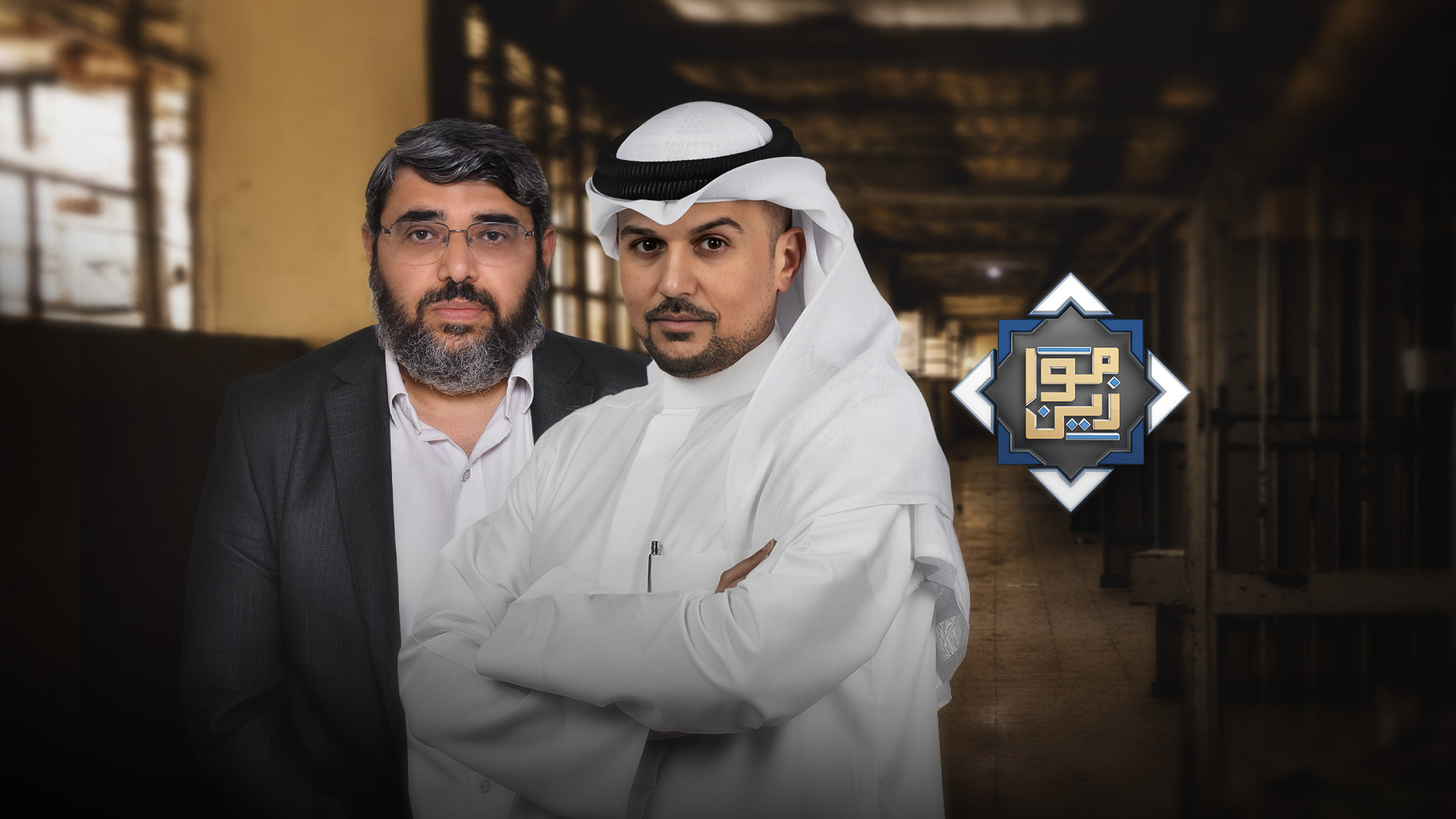
The episode discussed with its guest, Dr. Amer Ghadban, a psychologist participating in the treatment of survivors of detention, the paths of psychological and social rehabilitation for these victims, the therapeutic stages they are going through, in addition to the factors that contribute to the complexity or reduce of their suffering after the exit.
The episode started with a symbolic scene from Sednaya prison in the summer of 2014, where dozens of detainees were killed within minutes in a scene that was repeated daily in the memory of the survivors, and touched that the suffering does not end at the gates of cells, but rather continues in the form of disturbances and psychological symptoms accompanying humans for years.
Dr. Ghadban emphasized that the place in the prison experience is a central element in the formation of trauma, where the detainee is forced to forced coexistence with fear, and the ability to interact with a natural interaction with time and space is forced, which produces a spatial memory that is burdened with fear and impotence.
He explained that some survivors suffer from strong reactions when exposed to high voices or familiar scenes, as the roads of the door or the screams of neighbors are sufficient to revive the experience of torture in the memory painfully and surprisingly.
He pointed out that the prisoner swings between frustration and despair, and that his inability to build strategies for adaptation leads to more complicated disturbances, and if the violence rings continue without stopping, the adaptation itself becomes part of the disease, not from recovery.
Individual differences
He indicated that some detainees succeed in overcoming their ordeal by adhering to personal or religious values, and that individual differences play a major role in determining the prisoner’s ability to resist collapse or balance after the release.
The episode touched on the psychology of the jailer, where the guest stressed that the executioner does not practice torture only by authoritarian order, but it himself passes through a harsh transformation that makes him identify with the position of oppression, indicating that some of the prisoners were replaced or suffered from subsequent disturbances as a result of their involvement in executions and torture.
He explained that many of the jailers are chosen from marginalized groups or hostile backgrounds towards society, which makes them more acceptable to the practice of systematic violence without conscience accountability, but some of them find torture as a way to compensate for a feeling of deficiency or self -hatred.
Dr. Ghadban also pointed out that psychological torture methods are no less harsh than physical torture, but some of them leave deeper effects, such as the use of delusion, depriving the prisoner of seeing light, or isolating him for long periods, which leads to difficult disorders.
He pointed out that women and children in detention centers are among the most exposed to persistent psychological harm, as the regulations target women with threats and stigma, and children get out of the detainees with distorted cognitive and behavioral capabilities, as a result of years of isolation, fear and safety loss.
He stressed that leaving the prison represents a shock in itself, as the survivor collides with a different world, and faces complex social and economic challenges. Some of them may feel unable to deal with the new ocean, and they feel a feeling of alienation, guilt or rejection.
Criminal and politicians
He added that the psychological difference between criminal prisoners and prisoners of opinion is clear.
He stressed the need to avoid pressure on the prisoner as soon as he left to talk about his experience, explaining that some survivors do not have the ability to re -tell what happened, and that the demand for this may exacerbate psychological symptoms and delay recovery, especially if the surrounding environment is not understood.
He pointed to the importance of the initial psychological aid after the release, including physical and psychological evaluation, providing social and family support, and providing societal embrace that dispels the feeling of isolation and contributes to rebuilding confidence in the self and others.
He talked about therapeutic efforts, pointing to the use of methods such as dialectical behavioral therapy, or acceptance and commitment, in addition to drug support programs in cases of group pressure, while emphasizing the need to adapt protocols according to the categories of victims and their circumstances.
Dr. Ghadban pointed out that building psychological and social justice for the victims not only passes through protocols, but also requires cultural change in Arab societies, where some groups still look at torture as a legitimate deterrent tool, in light of the weak community and institutional control.
He called for converting the file of the survivor prisoners into a societal issue, in which civil organizations, the competent authorities, and individuals participate in order to reintegrate the victims into society, restore their dignity, and build a comprehensive justice system that protects the future from the repetition of the past.