

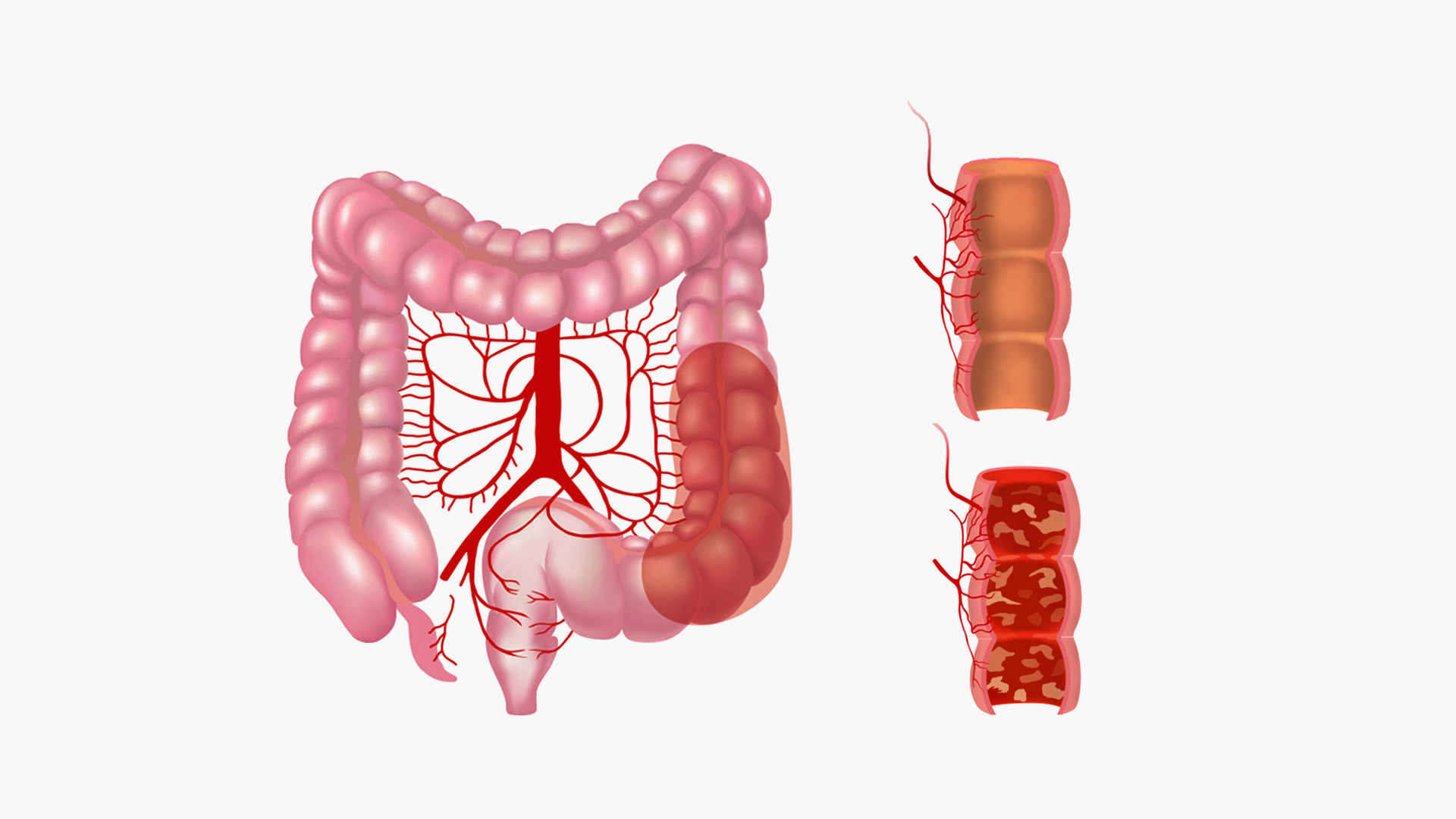
Digestive diseases, such as colon cancer, affects an increasing number of young people, while it was previously rare for those under 50 years old. As for its causes that are sometimes hereditary, they are still unclear.
Hamza, 23, began, since he was 8 years old, suffering from ulcerative colitis, a chronic inflammatory disease that affects the large and rectal intestine, and turned into Crohn’s disease.
“I was suffering from diarrhea, blood traces of stool and so much pain in my stomach that I am no longer able to stand,” he told Agence France -Presse.
“In the secondary stage, I spent 60% of the years of school either in the hospital or home,” he added, adding, “I felt that I was different from others, and I was embarrassed by going to the toilet constantly.”
3 years ago, thanks to an effective treatment, the young man returned to gain weight and began to exercise and work for his own account.
Diet adjustment
To reduce symptoms, Hamza modified his diet, reduced sugar eating and moved away from “fried foods, soft drinks and all processed products”, replacing “vegetables, fish, pasta and rice.”
“We know that nutrition is factors that affect the risk of colon and rectal cancer,” said Serge Airburg, who has long headed by the French Ministry of Nutrition and Health of the Ministry of Health.
It indicates that “there are many other speculations”, such as early exposure to risk factors, that is, chronic infections, carcinogens, highly treated foods, fine plastic materials and pesticides.
Hamza’s position at George Bombido Hospital in Paris is followed, which is part of a network of 7 centers in which specialists work in managing risk of colon and rectum cancer and cancer types that patients have genetic preparations for them.
We will always follow our health status
“When a person suffers from a young age, symptoms of the digestive system – such as stools, frequent stomach pain, anemia and iron deficiency – should not hesitate to consult a doctor, and not say that all of this is due to hemorrhoids,” says Professor Christophe Selee, head of the liver and digestive diseases department in Bombido.
“While the cases of colon cancer that are diagnosed early can be almost all of them, people are not encouraged to consult a doctor or do not feel comfortable when talking about their symptoms, which means that some types of cancer are being diagnosed late.”
A recent study conducted by the French National Association for Digestive Diseases showed that more than a third (37%) people between the ages of 25 and 34 do not consult a specialist in health care for fear of having to conduct embarrassing tests such as colonoscopy, which managed to detect and remove good tumors before turning into malignant tumors.
“In France, as is the case in the United States and other countries, a small percentage of the population suffers from cancer before the age of 50, the age in which regular tests for detection of colon and rectal cancer begin. We do not know the real cause of this,” says Selere.
Around the world, the incidence of cancer (+80%) has almost doubled in people under the age of 40 between 1990 and 2019, according to a wide study published in the BMG ANCOLAO magazine.
Great effort
“There is still a great effort that must be done to better understand the causes,” said Professor Fabrice Barlisi, General Manager of Gustav Rossi Hospital, who specializes in cancer treatment near Paris.
Colon and rectal cancer is one of the six types of cancer – along with brain, kidney and breast cancer – which increased the incidence rate between 2000 and 2020 in France in adolescents and youth, according to a recent study conducted by the Public Health Authority in France.
Some types of cancer that make up less than 10% of the total are associated with genetic readiness, and thus “are better discovered, allowing preventive plans”, with colonoscopy starting from the age of 20, which limits cancer in 70% of cases, “according to Selele.