

The Le Figaro newspaper regained the unprecedented thermal wave that struck Europe, and France, especially in the summer of 1911, for more than two months, causing the death of 40,000 people.
The newspaper’s editor -in -chief at the time described Emile Bear “the wave of the heat” as it was called meteorologists, and it is the most deadly free wave in history – according to the newspaper – saying: “The heat strikes our walls, spreads its fiery spray in the streets of Paris, dries the throats, burns skulls, dissolves courage, and even the most pleasure pushes to cry,” and added: “Oh! He will carry it away. “
The newspaper stated – in a report by Mary Oud Bonel – that the heat continued, and it was exceptional day 22 and 23 July, where the temperature everywhere exceeded 35 degrees Celsius, and the newspaper said at the time, “This cannot last.”
The rumors claimed that “when July is hot, August is cold”, but the heat continued for 13 consecutive days from August, and the Montesoris Observatory recorded 37.7 degrees Celsius on the tenth of August 1911, which is “the highest temperature recorded by the thermometer since 1757, during the reign of the King of France Louis 15,” according to Lovigaro.
The most deadly wave in history
The heat wave lasted until mid -September, and it was one of the longest and deadliest heat waves in history, as it claimed the lives of 40,000 people in France, most of them children, much more than the historical heat wave in the summer of 2003 that caused the death of 14 thousand and 800 people.
The journalist Emile Bear painted a picture of the atmosphere of the suffocating capital in July, and mocked the Parisians who descend to the subway entrances to travel underground miles in “cold darkness”.
In the regions, the situation is not better, from the north to the south, and from east to the west, temperatures are crazy, as 35 degrees were recorded in Remmermont, on the threshold of the mountains of the regiment, where people used to go during the worst heat waves.
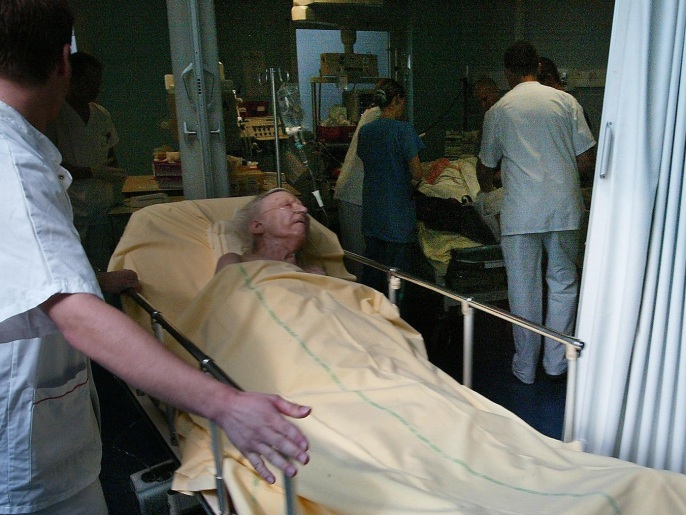
“Breathing – as the writer says – was the concern of the Parisians today, and at noon onwards, it is horrific and funny. The fevering sun appears to heat a dead city. The smart people remain hidden in their homes naked. Others attached to the walls.”
The writer continues: “The night comes, but the heat does not go down, but rather hidden and treacherous, dispensed with shadows, emanating from the walls and emanating from roads and sidewalks, so we inhale free air while we are waiting for dinner.”
People are heading towards the forest where the trees, and the Montmartre -Mountret train is filled with young women and young men whose foreheads flow into sweat, in the hope of finding some fresh air there, “Then the poor people are exhausted and broken, from where they were hoping for recovery, and they are very free, misery and fatigue, and then we see them finally smile while they collapsed on the balconies of cafes in the heat over the 30 Sadiq: The atmosphere is beautiful here. “