

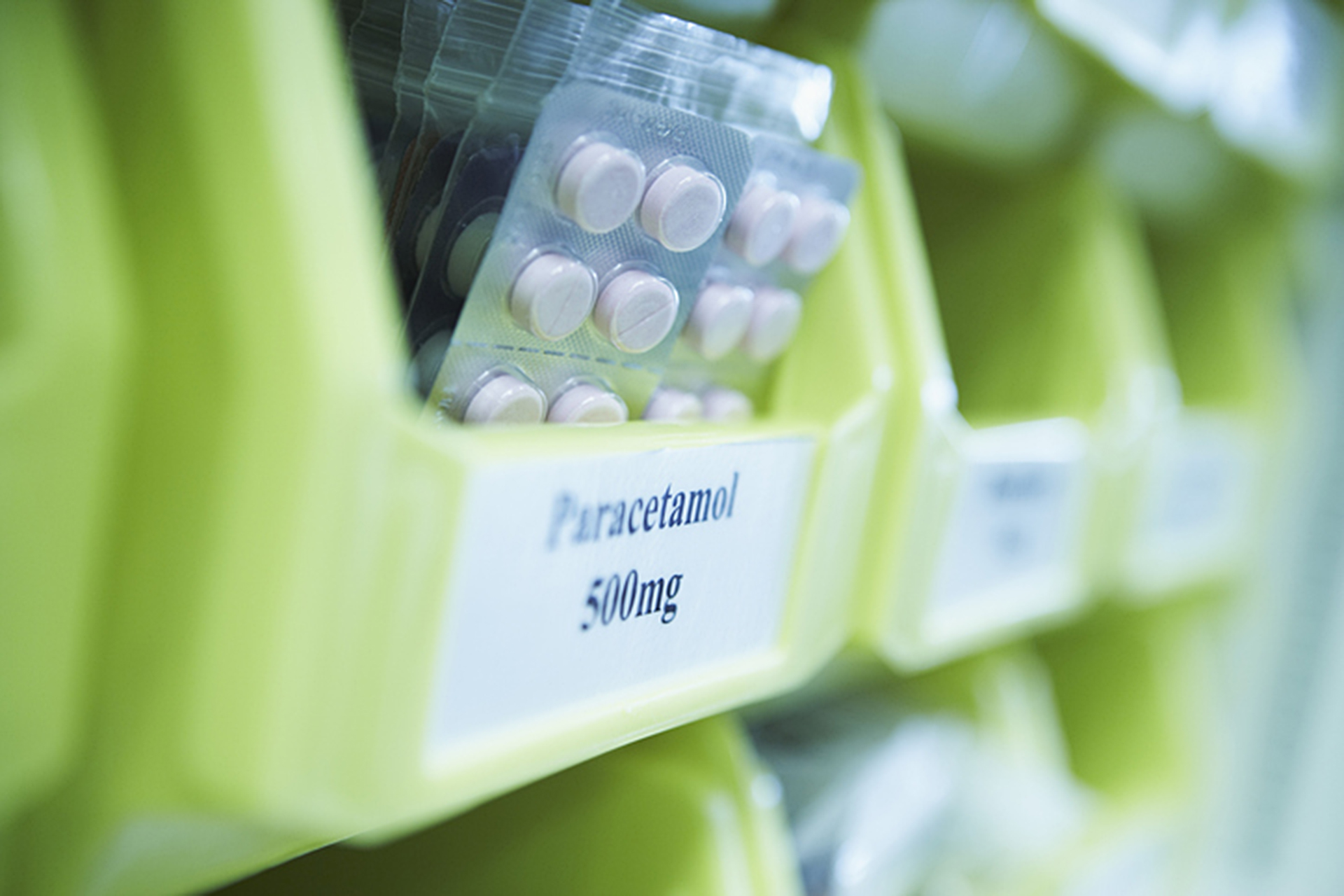
A new study revealed an innovative way to make a Paracetamol pain reliever in which a common bacteria is employed to convert daily plastic waste into the drug that is used as a pain reliever and antipyretically, and can be purchased without a prescription.
The researchers say that the new method does not leave almost any carbon emissions, which is more sustainable than the method currently used in the production of the drug.
The study was conducted by researchers from the Institute of Biology, Biochemistry and Biotechnology, College of Biological Sciences, Edinburgh University in the United Kingdom, and its results were published in the “Nature Centary” magazine on June 23 and wrote about the Yurik Alrt.
Experts say that thousands of tons of fossil fuels are used annually to operate factories that produce pain reliever, as well as other chemical medications and materials, and this contributes greatly to climate change.
This discovery addresses the urgent need for a widely used plastic recycling, known as “Polyethylene Terephthalate”, which ends up in waste dumps or ocean pollution.
Programmed bacteria
This strong and lightweight plastic is used in water bottles and food packaging, and it leaves more than 350 million tons of waste annually, causing severe environmental damage all over the world.
The researchers say that the recycling of “Polly Ethylene Terifaths” is possible, but the current operations produce communication materials contributing to plastic pollution all over the world.
A team of scientists at Edinburgh University used the repetitive coli bacteria, which is genetically programmed, which is not harmful bacteria, to convert a molecule derived from the “Ethylene Terifaths” known as the trifleic acid into the active substance of paracetamol.
The new technology was implemented at room temperature and did not produce any male carbon emissions, proving the possibility of Paracetamol in a sustainable manner.
The team emphasizes the need to conduct more development before it is commercially produced, and the paracetamol constitutes about 90% of the product made from the interaction of trifleic acid with the repetitive coli -coli programming.
Experts say this new approach shows how traditional chemistry can integrate with engineering biology to create live microbial factories capable of producing sustainable chemicals, while reducing waste, greenhouse gas emissions and relying on fossil fuels.