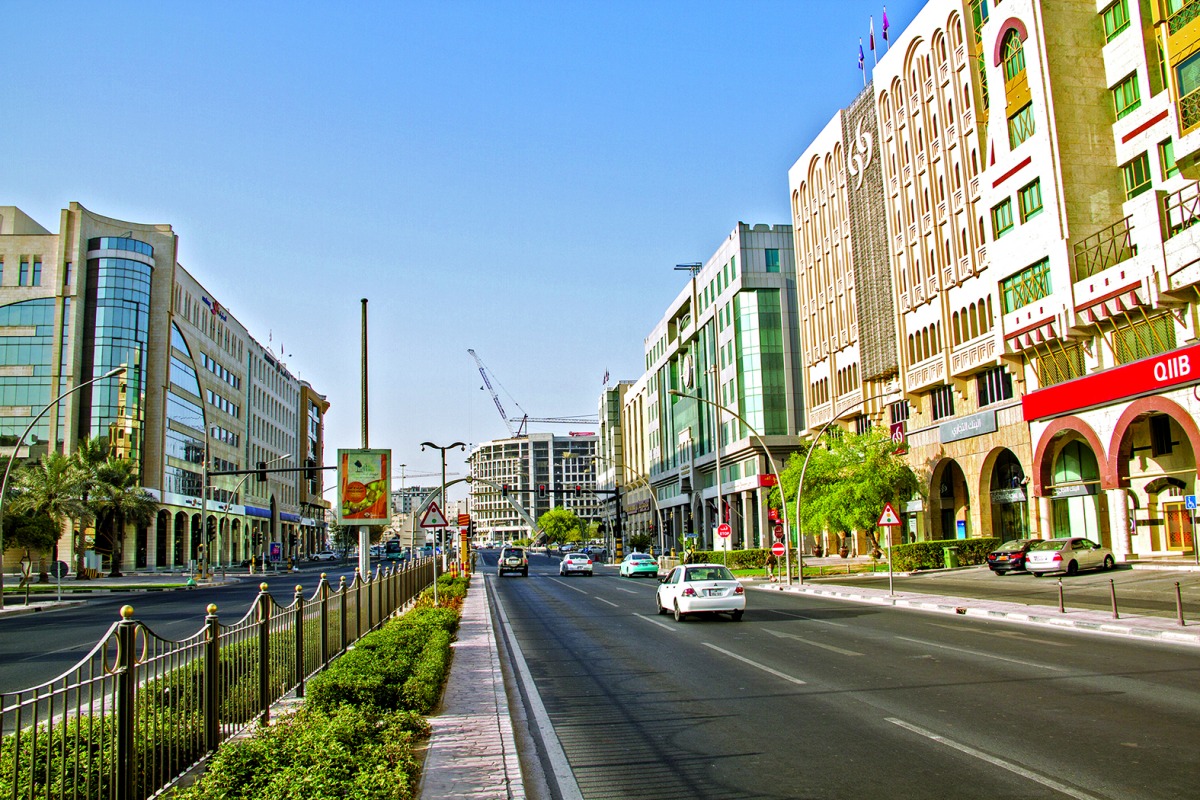
The banking system achieved distinctive positive indicators during the month of July 2025 compared to the month of July 2024, as all the main indicators increased according to the reports of the Qatar Central Bank. The Central revealed that the most important developments in the main indicators of the banking sector during the month of July 2025 were the increase in the total commercial bank assets by 6.5%to reach about 2.12 trillion riyals.
The total local deposits increased by 2.3% to about 852.3 billion riyals, and the total local credit increased by 5.5% to about 1.34 trillion riyals, and local liquidity represented by the cash offer (M2) increased by 1.7% to 739.5 billion riyals.
Qatar Central Bank seeks to promote and preserve financial stability in Qatar by adopting a two axis policy:
The first axis is to prevent the system from being subjected to an unacceptable level of risks, and preventive measures emphasize the need to conduct control and supervise all banks and financial institutions regularly, due to the speed of early detection of weaknesses in the financial system.
The second axis is based on treatment policies that seek to contain the crisis as soon as possible and prevent its spread.
On the other hand, the Qatar Central Bank is achieving financial stability by creating the appropriate financial environment, as well as preparing and monitoring the indicators of sheet and financial safety regularly.
The financial stability sector also seeks to achieve the goals set in Article (6) of the Qatar Central Bank Law No. (13) for the year 2012, and includes:
The stability of the exchange rate of the riyal, and the ability to transfer it to other currencies. And the stability of the prices of goods, services, financial and banking stability.
In order to achieve these goals, the financial stability sector benefits from the mutual interaction between the functions of the overall precautionary policy and oversight, the preparation of monetary policy, and the research and statistics of the macroeconomic. The sector contributes to evaluating and implementing the changing global and local conditions, and developing and implementing appropriate monetary and financial stability policies.
The financial stability sector is submitting proposals related to the monetary policy of the State of Qatar to maintain the stability of the economy and the exchange rate in Qatar to the monetary policy committee, and the sector publishes the decisions of the committee.
The sector also raises the evaluation of financial stability and policy proposals to senior management and the Financial Stability Committee and risk control. Annual evaluation of financial stability is published in the financial stability report.
The sector is also responsible for issuing many statistical bulletins that include, for example, data on cash width, foreign exchange reserves and payment balance. Due to the great role the real estate sector plays in the economy and maintaining financial stability, the sector also publishes the real estate price index.