

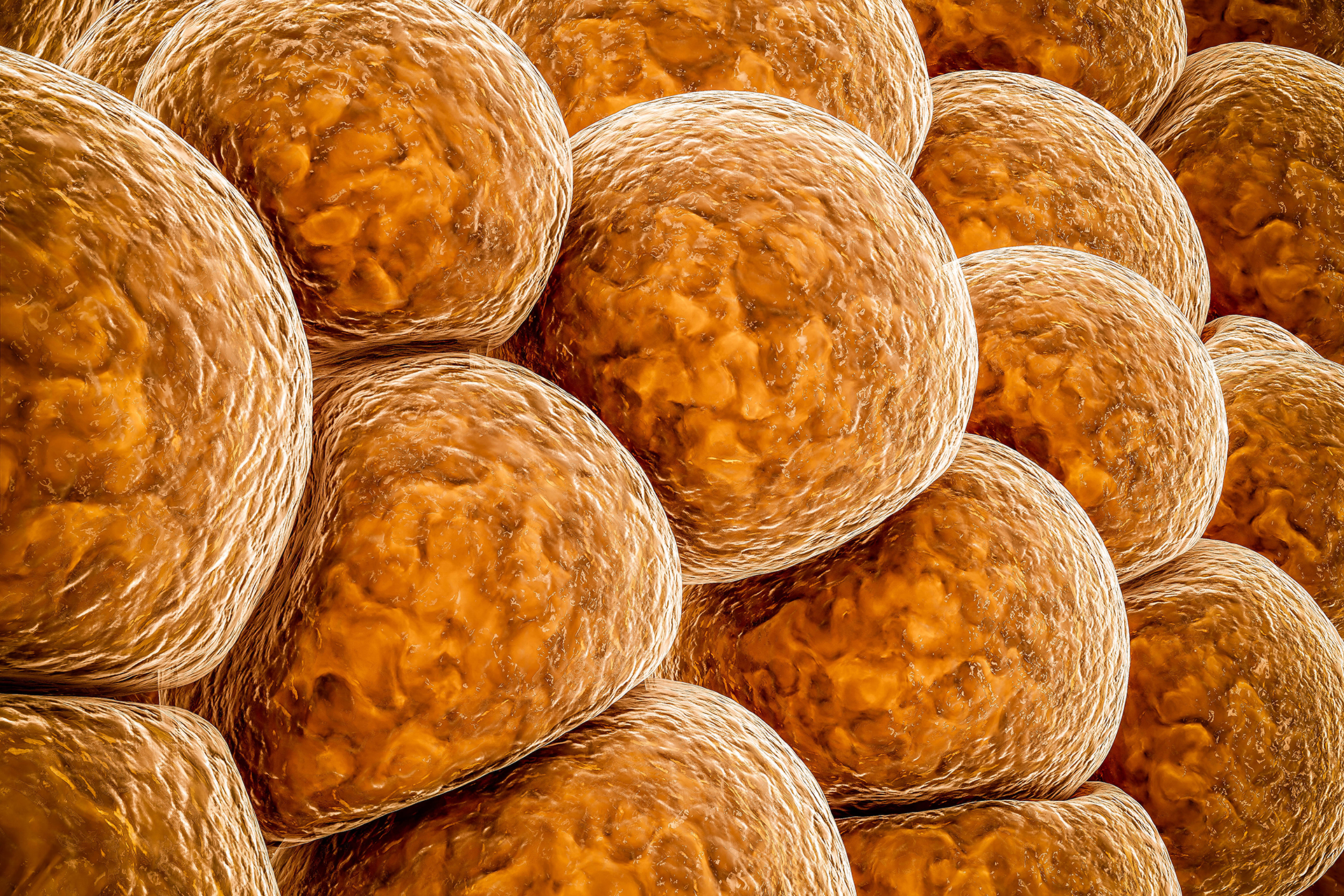
A molecular study identifies brown fatty tissue activity that burns fat. This research opens new horizons to understand the cause and how to inhibit this fabric, especially to determine the possibility of reversing this function that limits fat burning, and helping to design strategies to treat obesity and cardiovascular diseases.
There are two types of fatty tissues in the body are white fatty tissue (which stores energy in the form of fats) and brown fatty fabric (the main heat -generating organ in the body through burning fat).
The study was conducted by researchers from the University of Barcelona, Spain, and the results of the study were published in the magazine “Molecular Metabolism” on April 21, and the Yorik Alrt website was written about.
The brown fatty tissue has a preventive function against obesity, diabetes and cardiovascular diseases, as it burns calories and produces body heat from fat. But as the body gets older, the activity of brown fatty tissue decreases. This discharge of brown fatty fabric – a common feature in obese people – is still a study.
The researcher in the study, Francisque Villaroya, from the Bihalu University College and the Pavalo Institute for Biomedic Medicine – and its headquarters in the Barcelona Park of Science – and the St. Joan de Dio Research Institute in Spain: “Although the problem lies in knowing the factors that reduce brown fat activity, research has so far focused on identifying factors that stimulate its function in the body, not the functional factors Interest.
As a result, it was believed that lower brown fat activity with age and obesity is due to a defect in the work of its stimulants.
Protein ACBB
The study, which was conducted on animal models, describes an inhibiting factor that hinders brown fat activity, the ACBP.
In normal circumstances, this protein organizes brown fat activity when there is no need to burn fat (for example in a warm environment). However, this molecule is also involved in aging and in the pathological discharge of brown fatty tissues that lead to obesity.
The ACBB protein activity reveals other vital medical repercussions in combating diseases such as cancer.
In some types of cancer, the brown fatty tissue becomes improperly overly active, and causes an uncontrolled spending of metabolic energy, which leads to wasting (severe malnutrition and muscle wasting). In this case, the ACB protein can be used as an important treatment tool for cancer patients.
In another context, it is also known that global warming caused by climate change contributes to high obesity rates, as the increased temperature of the environment increases leads to the inactivity of brown fatty tissue.
The researcher concludes that “the excessive ACBB protein that hinders brown fat activity will be the molecular basis for this phenomenon. Once this factor is identified, we can design intervention tools to enhance a healthier lifestyle.”