

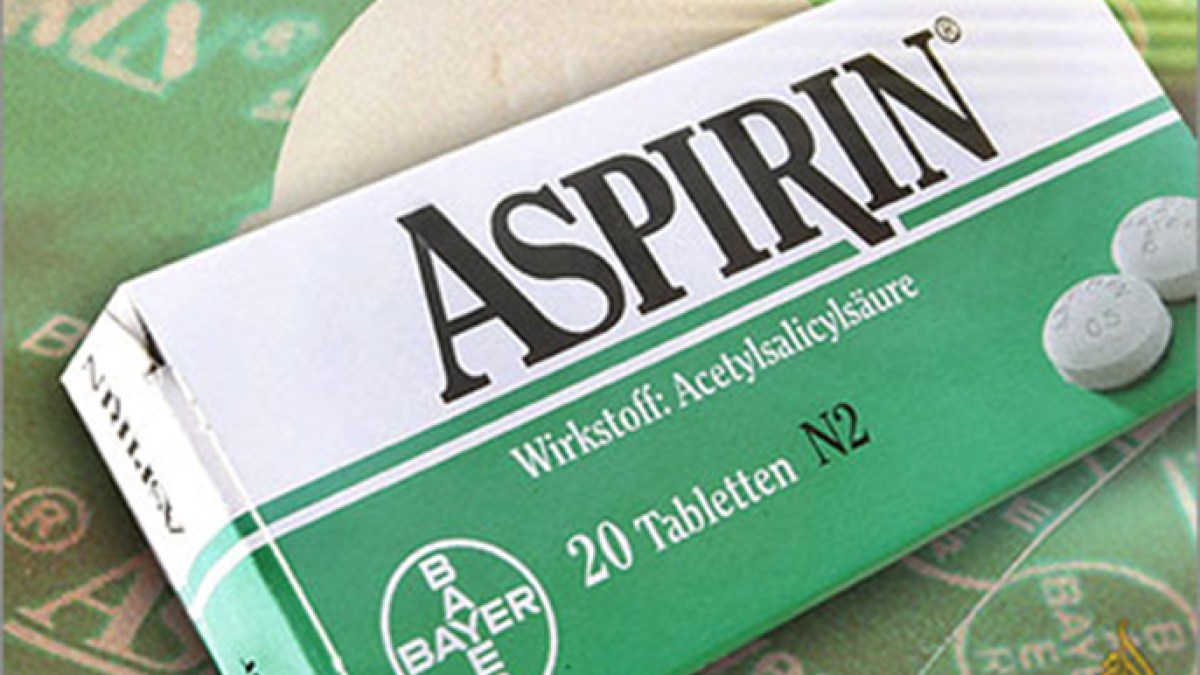
An American study revealed that regular use of aspirin in low doses can protect people with type 2 diabetes from fatal complications.
The new preliminary study found that taking low-dose aspirin may significantly reduce the risk of serious cardiovascular events in adults with type 2 diabetes who are at high risk for cardiovascular disease.
This study will be presented at the 2025 Scientific Sessions of the American Heart Association, and it is based on an analysis of electronic health data for more than 11,500 adults with type 2 diabetes over a full decade.
To ensure the accuracy of the results, the researchers excluded people at risk of bleeding from the study sample.
The results revealed significant differences between low-dose aspirin users and non-users, as the risk of heart attack among those taking it decreased to 42.4% compared to 61.2% for non-users.
The risk of stroke also decreased to 14.5% compared to 24.8%, and the risk of death from any cause decreased to 33% compared to 50.7%.
The researchers noted that this benefit appeared more in patients who took aspirin on a regular and continuous basis, and that the improvement was noticeable regardless of blood sugar levels, although it was more evident in patients whose blood sugar levels were under control.
Dr. Alisha Kainat, the study’s lead researcher, commented that the magnitude of the benefit was surprising, emphasizing that the study did not include tracking of bleeding events, which is critical in comprehensively evaluating the safety of aspirin use.
For his part, Dr. Amit Khera, who did not participate in the study, explained that these results raise important questions for future research, stressing that the final decision to take aspirin must be made after a comprehensive discussion with the medical team, taking into account the trade-off between its potential benefits and the known risks of bleeding.
This research comes in the context that cardiovascular diseases still represent the main cause of death among people with type 2 diabetes.
It should be noted that current recommendations of the American Heart Association do not recommend the use of low-dose aspirin for the primary prevention of heart disease in patients with type 2 diabetes who do not have a previous history of heart disease.
Despite the importance of these results, the study has some limitations, as it is an observational study and not a randomized clinical trial, and relying on medical records to determine the regularity of taking medication may not reflect reality with complete accuracy.
The final decision to use low-dose aspirin as a means of preventing cardiovascular disease for patients with type 2 diabetes remains an individual decision, which must be made under close medical supervision, after carefully weighing the potential benefits and risks for each individual case.