

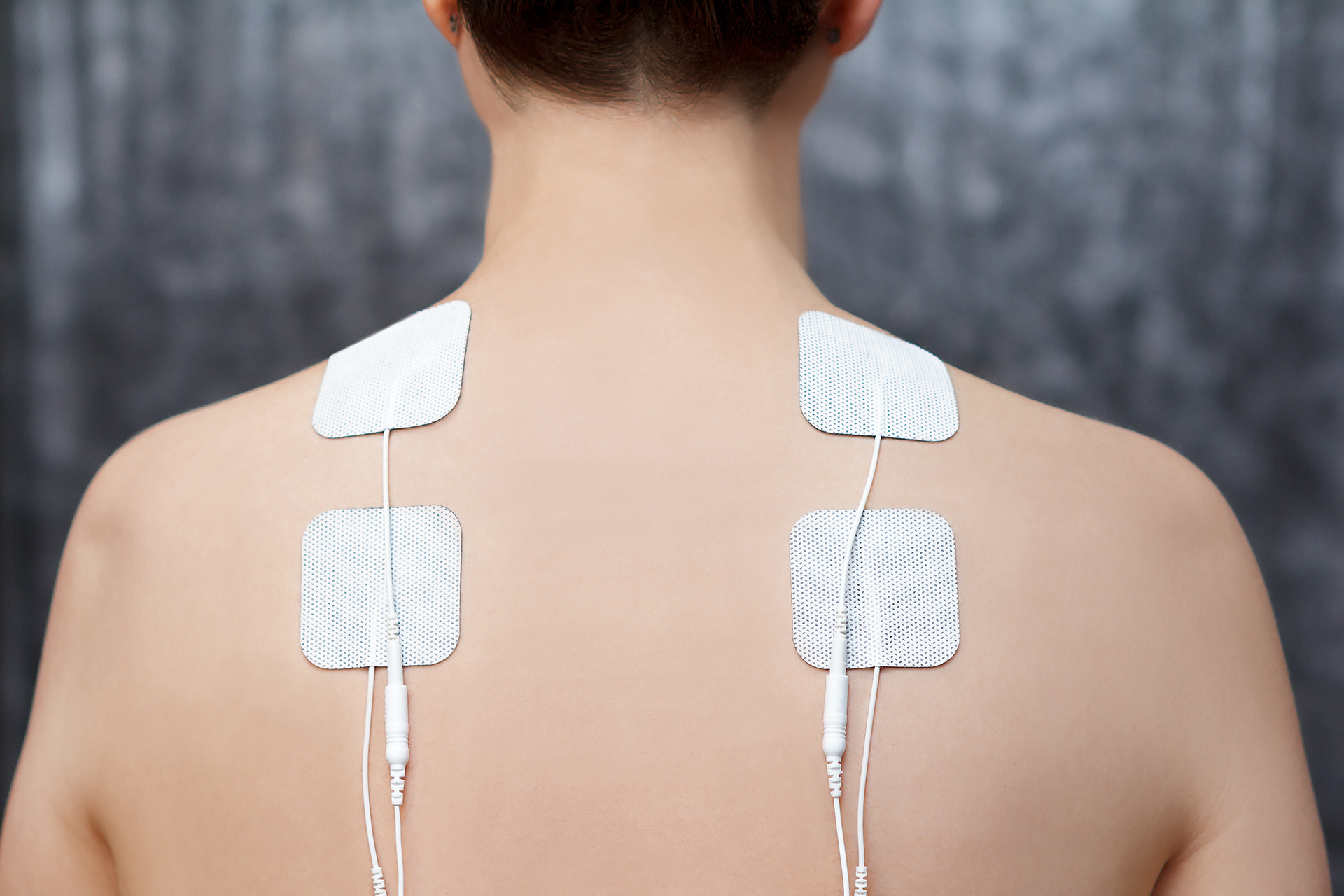
Texas Western Medical Center researchers developed an electrical poles network placed on patients to create low -voltage electrical stimulation through the skin, which temporarily adjusts the activity of neurons in the spinal cord.
The study, published in the Journal of Neurological Engineering, showed that this non -surgical technique may open horizons for the treatment of pain, cramping and paralysis, especially in people with spinal cord injuries and strokes.
The leader of the study, Dr. Yassin Daher, Professor of Physical Medicine and Rehabilitation, in cooperation with Hyungteics Tony Kim, a graduate student, explained that the ability to modify the spinal cord circles in a non -surgical way that represents a promising alternative to patients who do not want or cannot undergo traditional surgical motivation.
Over the past decade, the cultivated devices to stimulate the spinal cord have proven their effectiveness in restoring the ability to stand and walk in people with a marrow cutting, but they involve surgical risks and complications that require a long recovery period.
Therefore, the researchers reached a non -surgical alternative based on electrical poles placed on the skin, but previous attempts using large pillows were not effective due to the spread of the current on a wide area of the back.
To overcome this obstacle, the team has developed an electric poles network consisting of 8 pairs of positive and negative poles, arranged on a small and corresponding pillar of adhesive, allowing the electrical current to be directed accurately, whether accidentally or Qatari via the spinal cord in the chest lumbar area.
The researchers tested the device on 17 intravenous participants, with an average age of 29 years, as the network was placed above the tenth and 11 ribs, and the motivation may focus on the front muscle that controls the movement of the ankle bending.
The electrical stimulation with a low current (40 mAh) showed an impact on the excitement of nerve cells (i.e. reduced the activity of these cells, and made them less able to send signals or respond to stimuli, which reduces the activity of the nerves associated with pain or cramping and helps to reduce these symptoms), continued until 30 minutes after turning off the device, with greater effectiveness when directing the current in a diagonally through the spinal cord.
The researchers emphasized that the device is safe and easy to use, and allows the possibility of adjusting its position to customize therapeutic effects.
Although the study focused on the inhibitory effects that are useful in treating pain and cramping, other electrical stimuli may increase the excitement of neurons, which may help patients to restore the ability to move their muscles, such as the anterior tannous muscle, and this may treat cases such as footballing after stroke.
The researchers are planning to continue developing this device, while applying for a patent.