

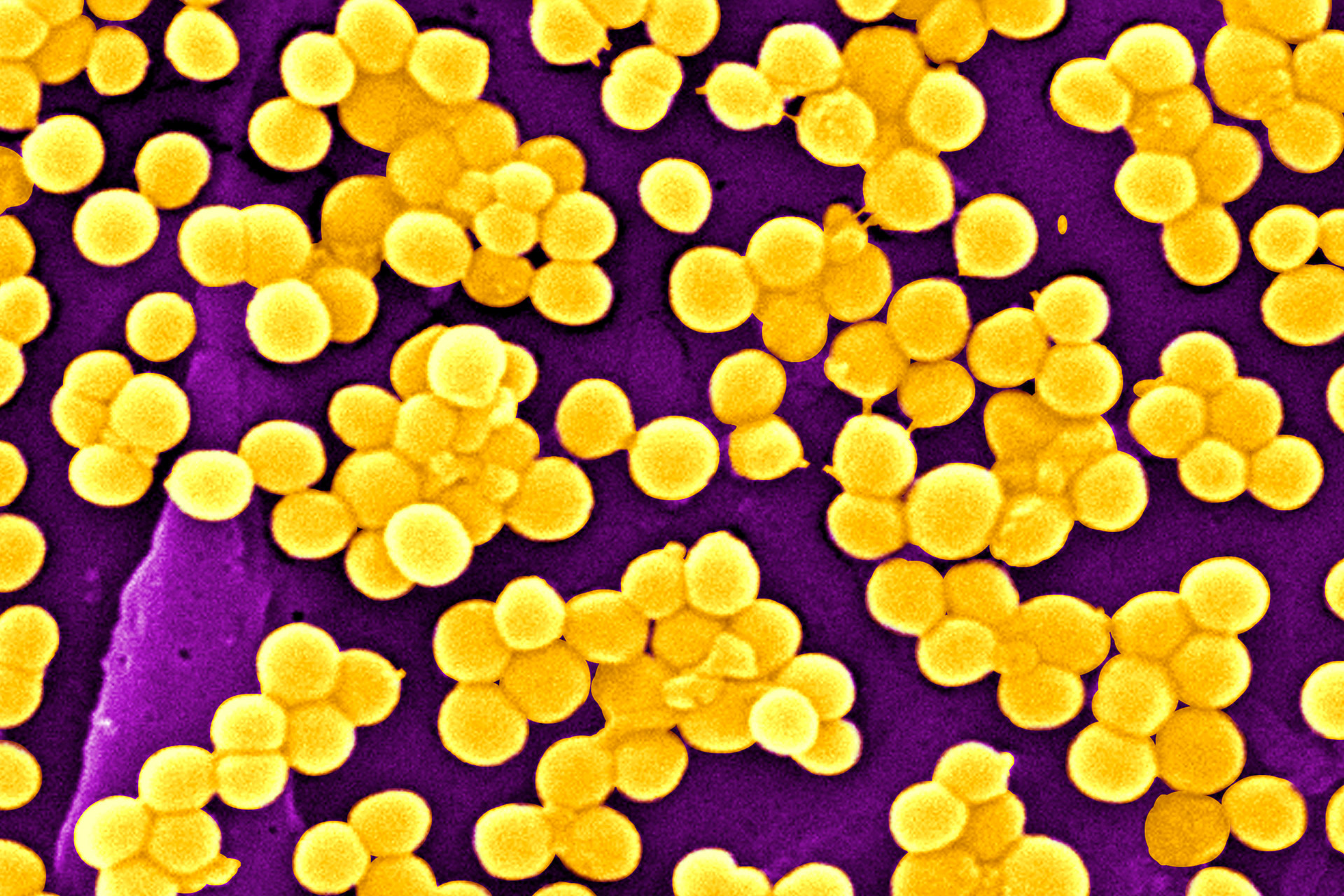
Tiny viruses that infect and kill only bacteria could help treat deadly bloodstream infections caused by Staphylococcus aureus, results of a mid-stage clinical trial suggest.
The researchers tested this treatment approach on 42 patients infected with antibiotic-resistant Staphylococcus aureus bacteria, which spread from the blood to the tissues, and described this infection as “one of the most dangerous and difficult types of bacterial infections to treat.”
Two-thirds of the patients received intravenous treatment that included a mixture of viruses known as bacteriophage, which was developed by Armata Pharmaceuticals, while the other third received a placebo. All patients participating in the trial also received the best available antibiotic treatments.
Patients who received the combination of viruses known as bacteriophages along with antibiotics achieved higher clinical success compared to those who received antibiotics only, at several stages during the treatment period.
For example, the response rate on the twelfth day was 88 percent in the group that received viral treatment compared to 58 percent in the placebo group.
The researchers said at a meeting of infectious disease doctors in the American city of Atlanta that patients who received treatment with bacterial phages recorded better results, represented by a decrease in relapse rates, faster registration of negative results in blood culture tests, a faster improvement in symptoms, in addition to a reduction in the length of stay in intensive care units and hospitals.
“These results provide strong justification for moving to the third phase of the study, and indicate the potential for a radical shift in the way we treat antibiotic-resistant infections,” study leader Dr. Loren Miller of Harbor-UCLA Medical Center said in a statement.
“Highly purified phage-based therapies could become a new standard of care for patients facing this life-threatening condition,” he added.