

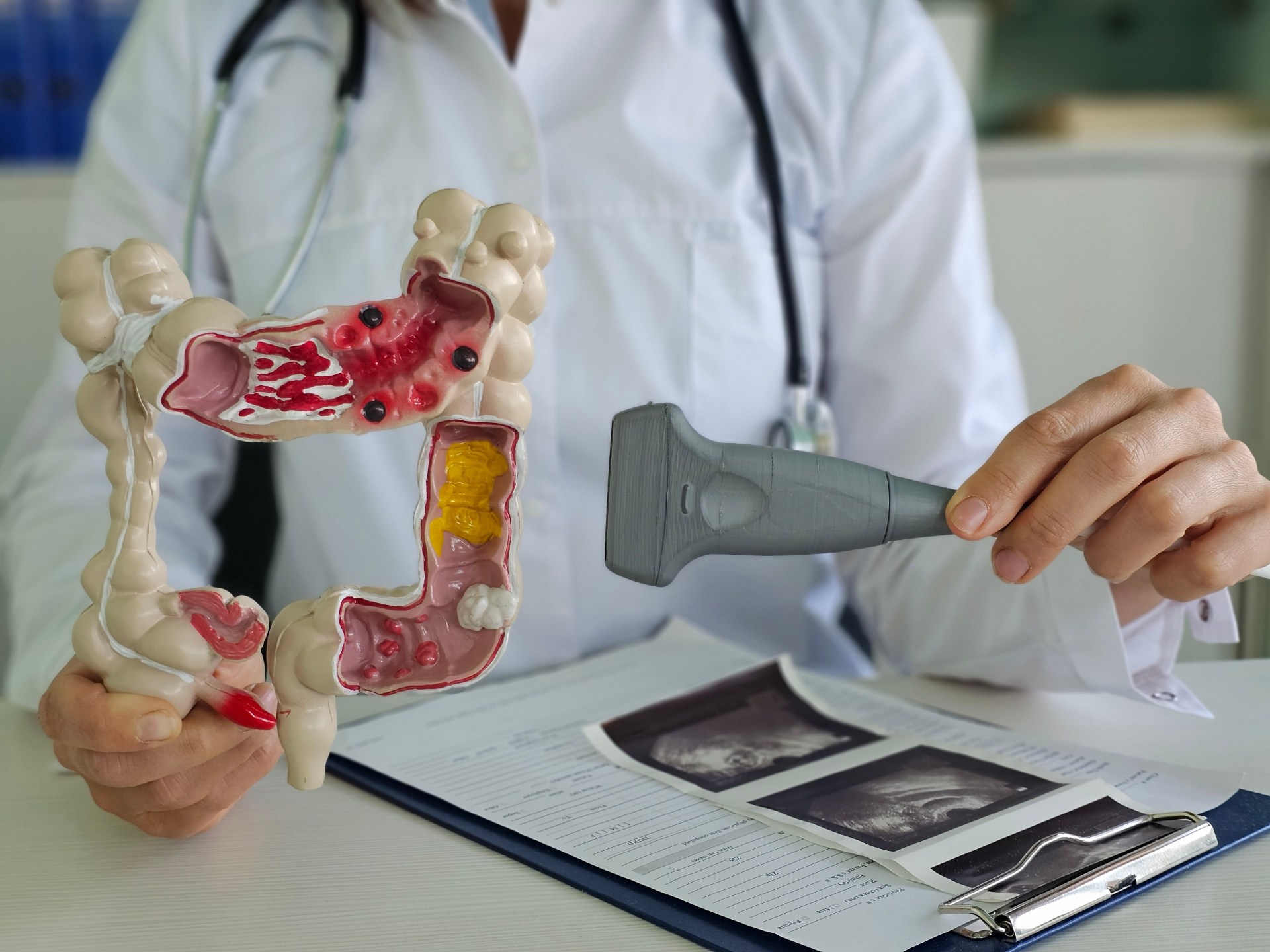
Ultrasound researchers used to activate drugs that treat cancer within cancer cells, to reduce the side effects of these drugs, and this approach may provide a more secure and effective alternative to current treatments.
The study was conducted by researchers from the Chinese Academy of Sciences, the University of Chinese Science and Technology, and the University of Jelin in China, and its results were published in the National Science Review Journal in April last April and wrote the Yurrick Alert website.
Traditional chemotherapy causes healthy tissue damage while attacking tumors, which leads to serious side effects, at the same time providing primary drugs – which are inactive compounds that are active only in specific conditions within the body – a safer alternative, but their dependence on unstable tumor environments (such as acidity or enzymes) makes their use of limited effectiveness.
Many ways to stimulate these medications when they reach the desired place, such as light or heat, were used in order to improve control of the disease, but these methods lack the depth and safety necessary to treat deep cancers.
The ultrasound, used in photography, has emerged as a promising solution due to their ability to break the tissue non -surgical and accurately connect the energy, but the use of ultrasound to stimulate medications is still chemically challenge.
Activating nanoparticles
Therapeutic ultrasound uses sound waves that go beyond the scope of human hearing, but they do not produce images, but their purpose is to interact with the body’s tissues to modify or destroy them; Among the possible adjustments: moving or pushing tissues, heating them, dissolving blood clots, or delivering medications to specific locations in the body.
Scientists tested this method using nanoparticles loaded with an initial drug, and when exposed to ultrasound, nanoparticles fired the effective drug, which in turn motivated immune cells to attack tumors.
The treatment of a 99% inhibition of the tumor achieved experiments on mice with colon cancer, and two thirds of mice heal, without damaging healthy tissues.
The secret of this penetration in the ability of ultrasound is to selectively stimulate the drug inside the tumors, taking advantage of the body particles themselves to feed the reaction. This accuracy reduces the damage to the body’s tissues, a major challenge to traditional chemotherapy.
“This work opens new horizons in ultrasound -based medicine. It is not only the photography, but sound can now activate treatments when needed,” said Dr. Zhao Hoy Tang, co -author of the Chinese University of Science and Technology.