


In the first minutes after the baby is born, an amount of blood remains inside the umbilical cord and placenta that would normally be eliminated from them. However, this blood is not just leftovers from the birth process, but rather contains stem cells capable of rebuilding the blood and the immune system, and they have already been used in treating types of cancer, blood diseases, immunity, and genetic disorders.
But what is the importance of storing cord blood? What diseases can be treated with it? Can the child benefit from his stored cells if he becomes ill in the future? Where does the scientifically proven treatment end and where do the promises that are still being researched begin?
What is cord blood?
Cord blood is the blood remaining in the blood vessels of the umbilical cord and placenta after the baby is born. It is characterized by containing a large number of hematopoietic stem cells, which are cells that can produce red and white blood cells, platelets, and various components of the immune system.
These cells are not embryonic stem cells, and obtaining them does not require taking any tissue from the fetus. They are collected after the baby is born, and after the umbilical cord is cut, from blood that would normally be removed from the placenta. Hematopoietic stem cells are also found in bone marrow and peripheral blood, but umbilical cord blood provides an additional source of them that can be collected without surgery or pain for the mother or child.
How is blood collected and stored?
After the baby is born and the umbilical cord is tied and cut, the remaining blood inside the baby and the placenta is collected in a sterile bag. Blood is not drawn from the child, and the collection process does not interfere with childbirth if it is performed in accordance with approved medical protocols. The sample is then transferred to the laboratory, where it undergoes processing and examinations that include estimating its size and the number of stem cells present in it, verifying the vitality of the cells and that the sample is free of contamination, in addition to conducting the necessary tests for infectious diseases.
Not every sample is necessarily suitable for culture; The blood volume or number of stem cells may be insufficient, the sample may be delayed in arriving at the laboratory, or there may be a quality problem. Therefore, collecting blood does not automatically mean that the sample is suitable for therapeutic use.
As for samples that meet the standards, they are gradually frozen and kept at very low temperatures, which slows down the biological activity of the cells and preserves them for long periods, until a medical need for their use arises.
How do these cells treat disease?
Bone marrow can be likened to a factory that produces blood cells. In some diseases, this factory develops cancer, stops working, or produces defective cells. Doctors may then resort to chemotherapy, and sometimes radiation, to get rid of the diseased cells, then inject the patient with healthy stem cells. The transplanted cells travel through the blood to the bone marrow, where they settle and begin to multiply and produce new blood and immune cells.
The transplant itself is not a surgical operation, as the cells are given intravenously in a manner similar to a blood transfusion, but the patient needs specialized care and careful monitoring before and after it. The success of the transplant depends on many factors, including the type and stage of the disease, the patient’s age and health condition, the number of cells present in the sample, and the degree of tissue matching between the donor and recipient.
What diseases can be treated?
Umbilical cord blood cells are used in stem cell transplants to treat specific groups of diseases, most notably:
- Blood cancers, such as some types of leukemia and lymphoma.
- Hemoglobin disorders, such as sickle cell anemia and thalassemia major.
- Bone marrow failure, such as severe aplastic anemia.
- Some hereditary immunodeficiency diseases, such as severe combined immunodeficiency and Wiskott-Aldrich syndrome.
- Some genetic metabolic diseases, such as Hurler syndrome, Krabbe disease, and some lysosomal storage diseases.
The US Health Resources and Services Administration notes that most transplants from unrelated donors are used to treat leukemia and lymphoma, with important uses in hereditary hematology, immunology and metabolic diseases.
Sidra Medicine states that umbilical cord blood cells may be used in the treatment of more than 80 diseases. But this number needs to be properly understood; It groups many rare diseases into multiple categories, and does not mean that every stored sample is suitable for treating any one of these diseases, or that treatment is guaranteed if the disease appears.
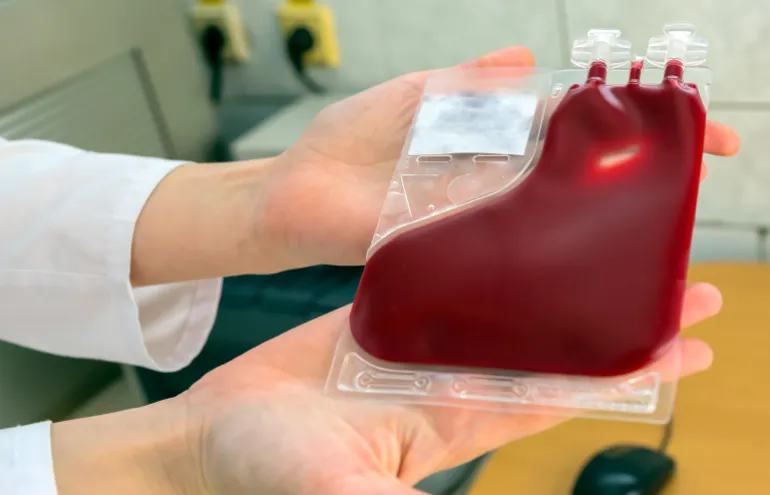
Umbilical cord blood…an alternative in the absence of a donor
Stem cell transplants usually require a degree of matching on markers called the human leukocyte antigen (HLA). These markers help the immune system distinguish between the body’s cells and foreign cells.
Cord blood cells are less immunologically mature than adult donor cells, so they may not need to be matched as precisely as when using bone marrow or peripheral blood cells.
This may expand the chances of finding a suitable unit for patients for whom it is difficult to find a matching adult donor, especially those from communities with high genetic diversity. Stored cord blood units are ready for use, while contacting an adult donor, conducting tests, and collecting cells may take several weeks.
Sidra Bank.. Preserving samples inside Qatar
In November 2024, Sidra Medicine announced the launch of the first local cord blood bank in Qatar. According to the institution, the bank is still the only facility that provides cord blood processing and storage locally within the country.
Samples are transported to a GMP: Good Manufacturing Practice facility and subjected to processing, inspection, freezing and long-term preservation. Sidra states that the storage system is designed to preserve samples for more than 30 years, with the possibility of preparing them and sending them to accredited treatment centers outside Qatar when needed.
The importance of having a local bank lies in reducing the time and logistical lag between sample collection and processing, providing specialized laboratory expertise, and keeping samples close to families and the local health system, instead of having to send them directly to banks outside the country.
Sidra also began expanding the scope of the service through agreements with other hospitals, including an agreement announced in August 2026 with The View Hospital, whereby samples are collected in the maternity hospital and then transported in a short time to the Sidra facility for processing and storage.
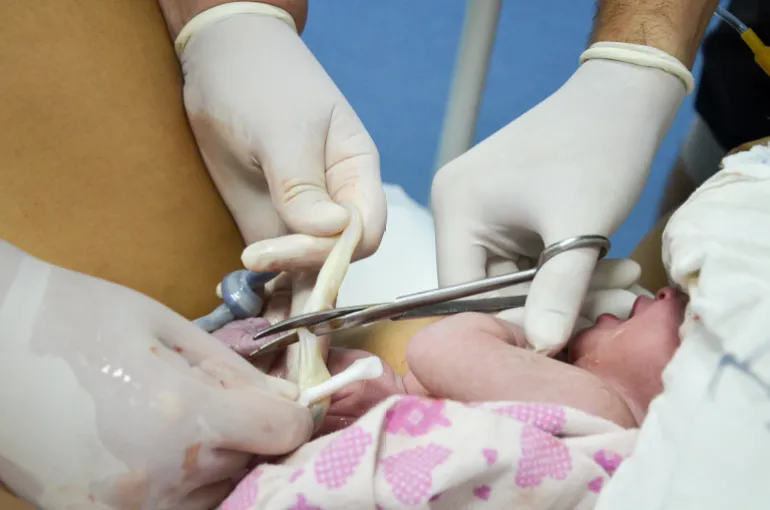
Does the child treat himself with his cells?
Here comes a point that is often missed in commercials: that the sample is completely identical to the child does not mean that it is suitable for treating every disease that may affect the child. If the disease is caused by a genetic mutation that is present from birth, the stored cells may carry the same mutation and therefore may not be suitable for treating the child.
In some cases of leukemia, the initial changes associated with the disease may be present in cord blood cells years before the cancer appears, which is why doctors may prefer cells from a healthy donor rather than the child’s own cells.
The FDA explains that stored umbilical cord blood may not be recommended for use in the same child for certain genetic diseases.
However, when a family has a child with a known disease that can be treated with stem cell transplantation, storing the umbilical cord blood of a new child with the intention of using it for a matching brother or sister may have clearer medical value. This is known as a “directed donation.”
Family storage or public donation?
There are two main models of cord blood banks. In private family banks, the sample is kept for the use of the child or family members, for a fee for collection, processing and storage. In public banks, the family donates the sample, and after examination it is included in a register that can be searched for the benefit of any matching patient who needs a transplant.
Published documents indicate that the current Sidra service is a private family storage service. This is a legitimate option, especially when there is a known medical condition in the family that may benefit from a transplant. But it should not be offered to families as guaranteed “biological insurance”.
The American Academy of Pediatrics prefers to donate to public banks when available, because public samples are used therapeutically more frequently and benefit a broader patient population. As for routine family storage of a healthy child without a known disease risk, the possibility of its actual use remains limited.
Cerebral palsy, autism and diabetes
Research and clinical trials are being conducted to test cord blood cells or cells derived from its tissue in conditions such as cerebral palsy, autism, type 1 diabetes, and nervous system injuries. But the existence of a study or clinical trial does not mean that the treatment has proven effective or has become part of routine medical practice.
The US Food and Drug Administration indicates that the approved uses for stem cell products taken from umbilical cord blood are focused on blood reconstitution and immunity, and do not include most of the regenerative uses that are sometimes promoted to the public.
It is also a mistake to confuse hematopoietic stem cells found in umbilical cord blood with cells found in cord tissue, the placenta, or amniotic fluid. Each source has different characteristics, and many uses of tissue cells are still experimental.
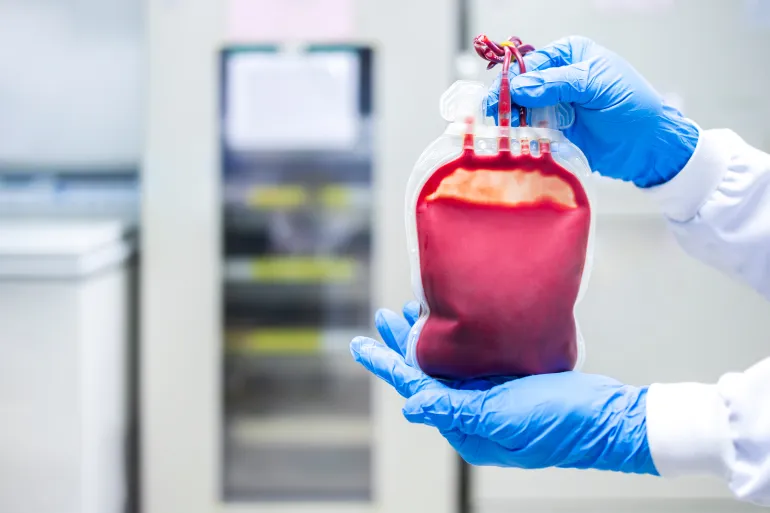
A developing future… but within the limits of science
Researchers are working to overcome one of the major limitations of cord blood: that a single sample may contain only a small number of cells, especially for adult patients. It may also take longer for blood production and immunity to recover after a cord blood transplant, which increases the risk of infection in the early stage.
One of the recent trends is to grow cells in vitro before transplanting them. In December 2025, the US Food and Drug Administration approved expanding the use of a cell therapy derived from donated umbilical cord blood called Omisurge to include some patients with severe aplastic anemia who do not have a compatible donor. Its cells are processed in a laboratory to speed up blood cell recovery and reduce some of the limitations associated with traditional transplantation.
This development shows that cord blood is not just a frozen sample, but rather a biological platform that science can develop and incorporate in the future in cell and gene therapies. However, potential future treatments should not be confused with proven uses available today.
A decision based on knowledge, not fear
Umbilical cord blood is a precious biological resource, and its cells have saved the lives of patients suffering from serious diseases. The presence of a specialized local facility at Sidra Medicine represents an important addition to the health and research infrastructure in Qatar, and provides families the option of processing and storing samples within the country.
But the decision should not be based on fear of an unknown disease or on promises that cells will cure everything in the future. Parents should ask about the family’s medical history, the number of cells required, sample quality checks, regulatory approvals, storage and transportation conditions, costs, and when the sample can actually be used.
Umbilical cord blood is not a magic cure, and it is not just biological waste either. It is a real medical resource, with proven uses, clear limits, and promising research horizons, and its true value lies in dealing with it in the language of science and evidence, not in the language of absolute guarantees.