

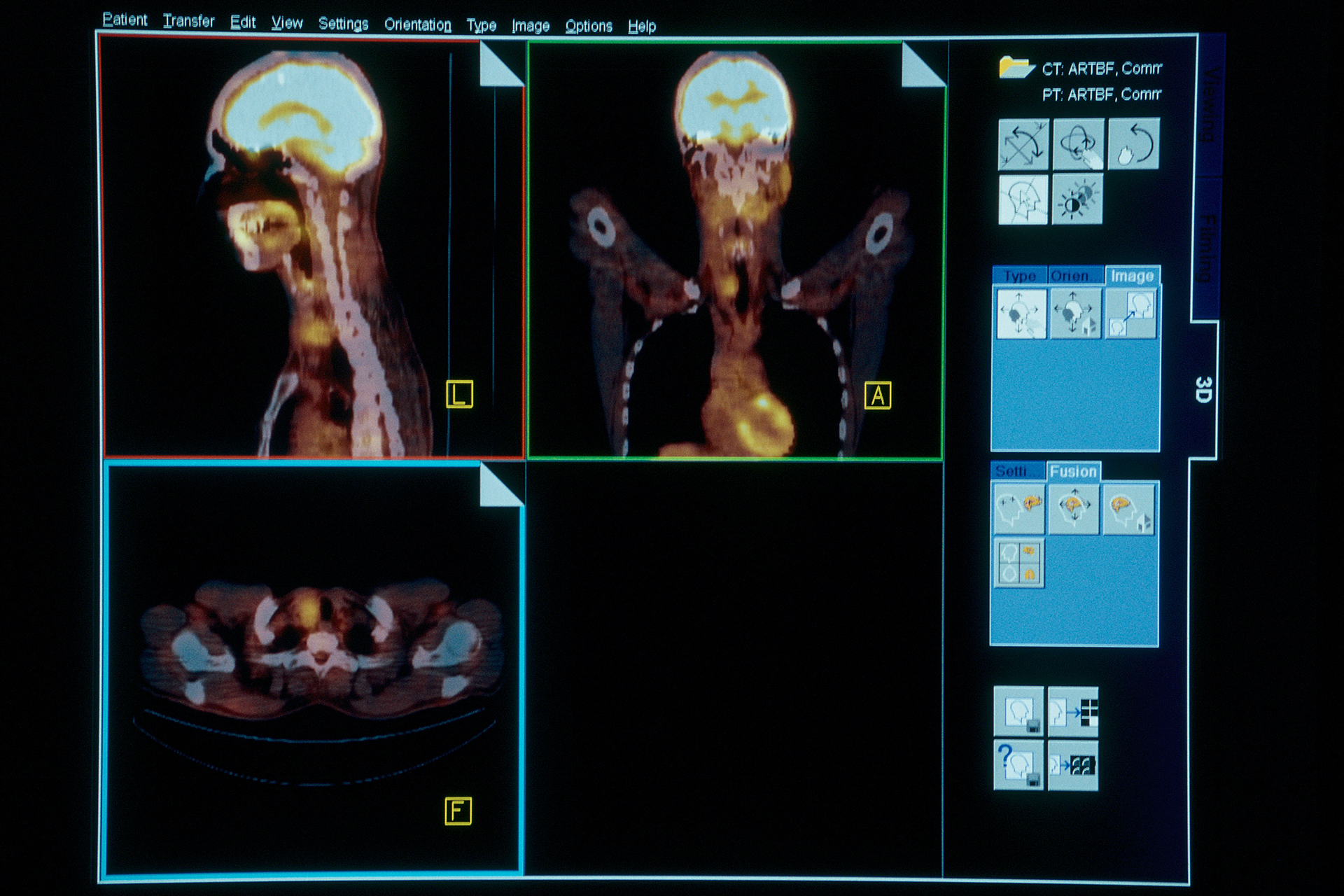
A new study reveals that the use of weight-reducing injections containing GLP 1 agonists may affect the interpretation of CT scans of tumors.
Misinterpretation of results may lead to unnecessary tests, inappropriate staging of the cancer, and delays in treatment, which can cause stress for patients.
The study was conducted by researchers from Alliance Medical Ltd in the United Kingdom, and its results were presented at the 38th annual conference of the European Society for Nuclear Medicine, held in Barcelona, Spain, during the period between 4-8 October of this year, and the “Eurek Alert” website wrote about it.
The radioactive isotope of glucose, 18F-fluorodeoxyglucose (FDG), is used in conjunction with positron-emitting tomography (PET) to locate tissues with altered glucose metabolism.
This technique involves injecting FDG into a vein in the arm, and the imaging device then detects areas of high glucose concentration in the body.
Altered glucose metabolism reflects some health problems in conditions such as malignant tumors, epilepsy, myocardial ischemia, inflammatory conditions, and Alzheimer’s disease.
Effect of weight loss injections
GLP1 receptor agonists alter glucose metabolism, gastric motility, and sympathetic nervous system tone, which may lead to unique absorption patterns on CT.
Case reports have shown increased FDG uptake in skeletal muscle, myocardium, and brown adipose tissue, findings that may be mistaken for a malignant tumor or inflammatory disease.
The researchers conducted a systematic review of a case series in which FDG positron emission tomography scans were performed in patients receiving weight-loss injections containing GLP1 agonists. The researchers observed unusual patterns of absorption of the substance, which may be incorrectly interpreted as a medical condition if the patient’s medication history is not taken into account.
“We noticed unusual absorption in one of our patients taking GLP1 agonists, which prompted us to conduct a broader review,” explained Dr. Peter Strohal, medical director at Alliance Medical Ltd. and study co-investigator.
“Realizing the distinct uptake associated with GLP1 agonists helps avoid anxiety and unnecessary interventions, ensuring patients receive the right care at the right time,” added Dr. Strohal.