

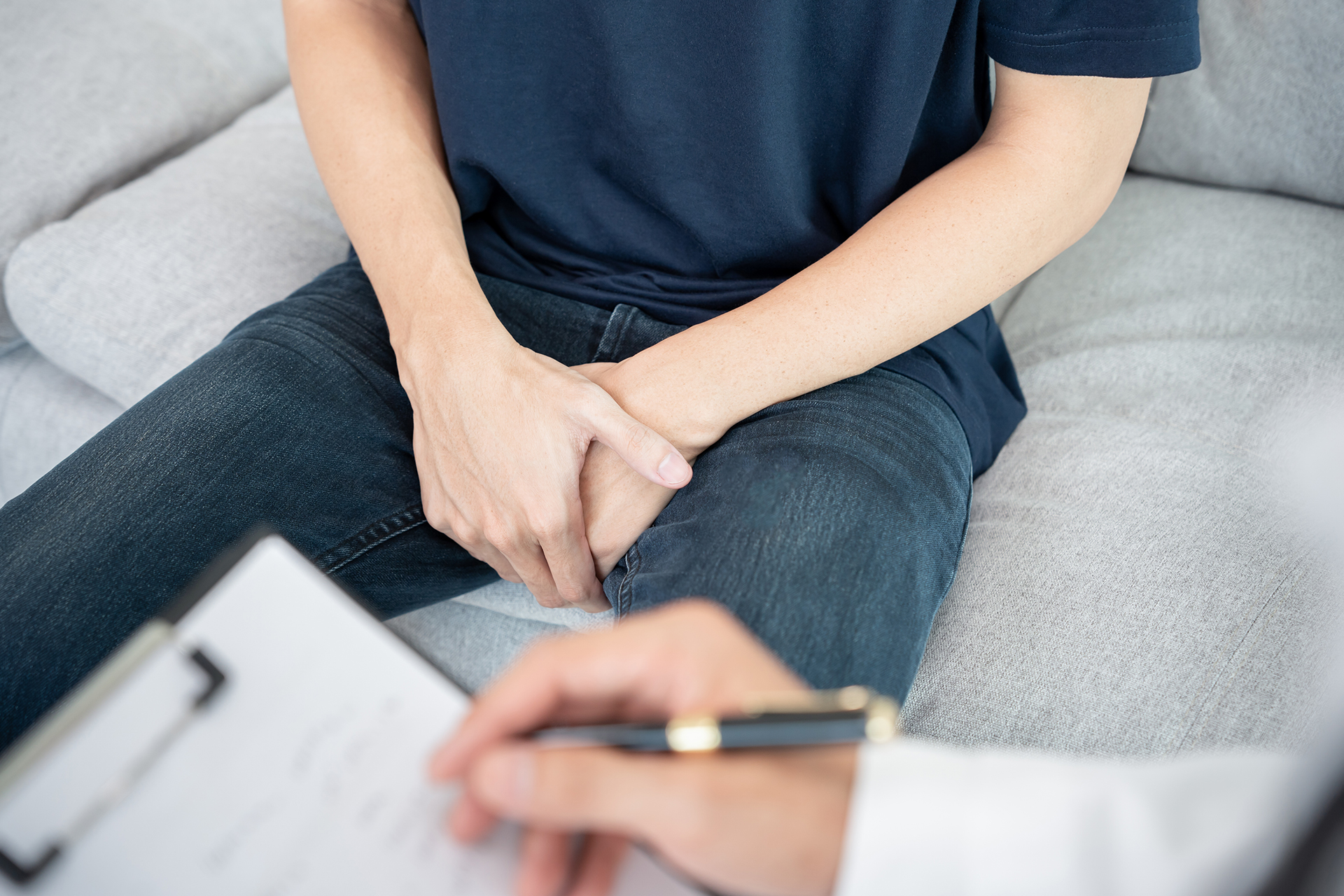
Some healthy symptoms spoil the lives of individuals and make them hesitate when leaving the house or practicing usual activities, and the worst of these symptoms that relate to the leakage of urine from the bladder despite the human will.
Up to 30% of the elderly from urinary incontinence, which is inadvertently the urine exit, and this problem is more common among women, and the percentage of men who suffer from this problem increased during the past decade. Here is what to know about the urinary incontinence and when to visit a doctor.
What causes urinary incontinence?
There are several types of urinary incontinence, the treatment strategies depend on its type and intensity, the extent of the patient’s discomfort and the illness of his health.
Urinary urine incontinence, which is a common type of urinary incontinence, occurs when feeling sudden or severe to go to the bathroom, but urine leaks before the patient can, usually caused by an irritating factor that pushes the bladder to contract at a time when it should not be, including irritating factors, coffee, hot foods and artificial sweeteners.
The urinary incontinence occurs at sneezing, coughing or laughing, which increases pressure on the bladder, and that weight gain and constipation can increase the total pressure on the bladder.
The bladder is similar to the tank full of urine throughout the day, the leakage often occurs when it contracts or when there is severe pressure on it.
“The body interacts with little urine leakage to reduce pressure,” Stephen Samers, Medical Director of the Urology Clinic for adults at Utah Health University in the United States told the Washington Post.
How to protect yourself from urinary incontinence?
“Start by giving priority to a healthy lifestyle in general,” says Jennifer Miles Thomas, a professor of urology assistant at the Fennberg College of Medicine at Northwestern University in the United States.
Eating fruits and vegetables is an essential part of a healthy diet, and it is rich in fiber, which helps to prevent constipation, and it is also important to reduce bladder irritations, such as coffee (even caffeine).
Exercise helps in treating incontinence and maintaining heart health, which may reduce the need for urine schools (which may cause urination in abundance). In addition, it is easier to go to the bathroom before the infusion occurs when the patient’s weight is healthy.
A physiotherapist can help with Kegel exercises and physiotherapy for the pelvic floor, which helps in treating the weakness of the pelvic bottom muscles (muscles that support the bladder).
When should you consult a doctor?
Consult a doctor as quickly as possible if the patient suffers from urinary incontinence regularly because the results are better for those who review the doctor early.
The doctor may want to exclude some cases such as urinary tract infection or kidney stones, and sleep apnea, diabetes and prostate problems are associated with urine incontinence.
Urology may prescribe in some cases certain medications to reduce the leakage or may suggest surgical procedure.