

The status of traditional medicine in Iraq did not decline in the face of the influence of modern drugs, but rather it strengthened, as herbalists’ mixtures turned into a daily lifestyle that combines prevention and treatment, driven by increasing prices and the inherited conviction in the blessing of nature.
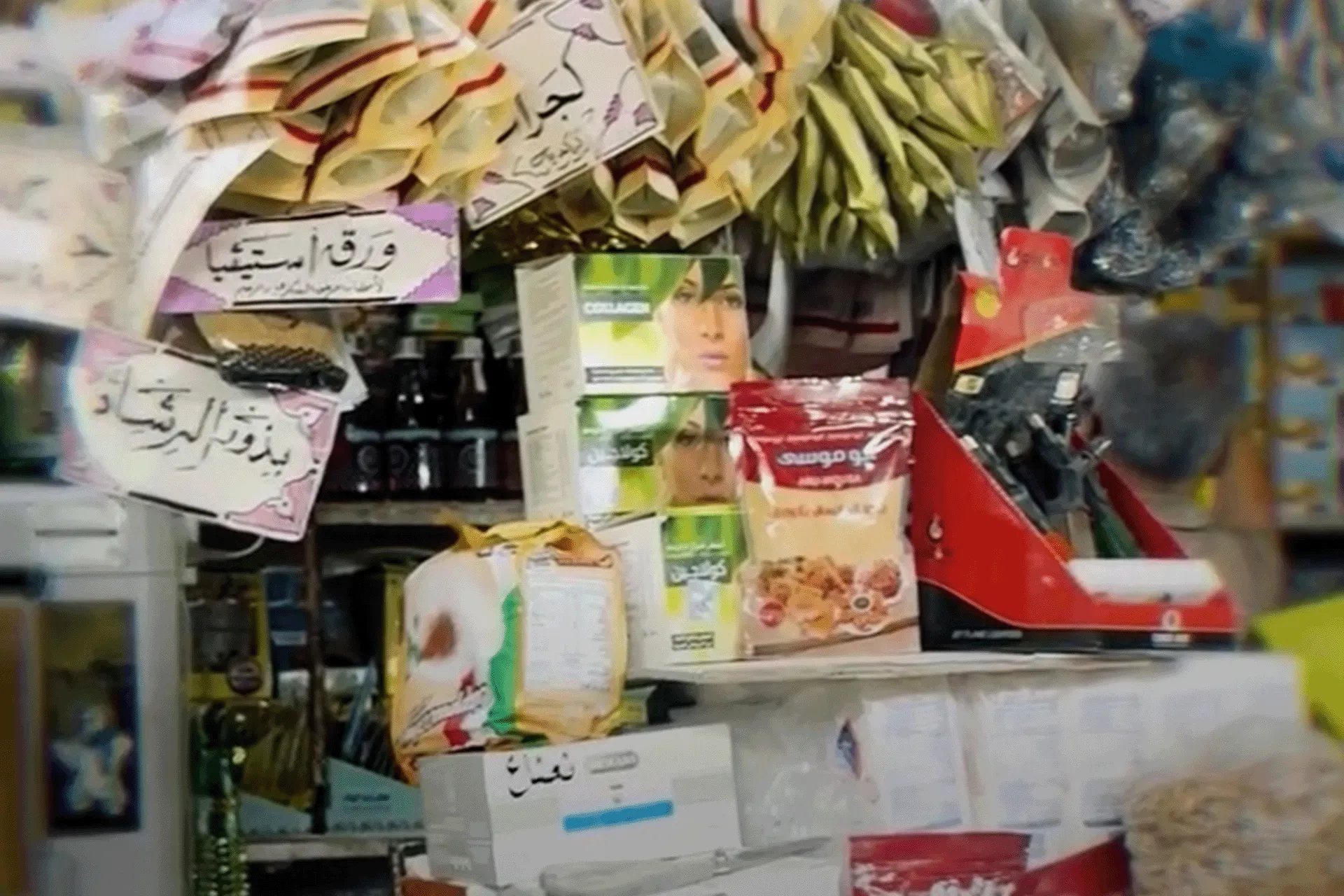
In the shops lined with popular markets, the smells of chamomile, thyme and Mawi rose are in high demand in the winter to treat chest diseases and phlegm.
In this context, herbalist Kazem Hussein Sabah confirmed to Al Jazeera that the price factor puts alternative medicine at the forefront compared to combined medicines, as the herb “baran” intended for diabetics is one of the most expensive herbs, as the price of a quarter kilogram of it reaches 10 thousand dinars ($7.65) and is consumed at the rate of 3 granules in the morning on an empty stomach to reduce the accumulated sugar.
Lifestyle and daily prevention
Herbal medicine is no longer just an emergency treatment for Iraqi families, but has expanded to include personal and aesthetic care instead of chemical preparations, as one citizen says:
- For skin and stomach: Gum arabic is soaked in water to be used to tighten the skin instead of chemical preparations, while “bitter gum” (frankincense) is used to treat stomach problems.
- Preventive drinks: Mixtures of rose, chamomile, cumin, sweet pepper and coriander are boiled with “darsin” (cinnamon) and drunk daily to promote health.
Inherited recipes
For his part, herbalist Abu Riyam pointed out the increasing demand among customers for natural products free of chemicals, such as “Al-Faw” medicinal henna, and presented proven recipes:
- Strengthening hair: Boil amla with cloves and use its water as a spray daily to nourish the follicles.
- Colon disorders: Soak the palanquin herb overnight and drink it to treat intestinal and colon problems.
This tireless movement in Iraqi markets proves that herbal medicine represents an extended societal culture, embodying a belief in the blessing of nature and the wisdom of ancestors as a reliable and economical alternative.