


Cardiovascular disease is the main cause of death in the world, as it leads to an estimated life of 17.9 million people every year, and it affects men more than women, and the person is more at risk if he suffers from weight gain, lack of physical activity, or was a smoker. But heart disease may affect any of us, which is the main cause of heart attacks.
One of the best things to do to avoid heart disease and reduce the possibility of a heart attack is a healthy diet. Eating fruits and vegetables, low -fat proteins, and small quantities of sugar, are the basis for a healthy diet for the heart, as it is a basis for a healthy diet in general, but new research indicates that some foods are of particular importance in preventing heart attacks.
This is credited with a chemical called “Flavan-3-LS”, a vegetable chemical found naturally in some fruits such as apples and grapes, and in plants that also produce tea and chocolate.
Del Stanford, a nutritional specialist at the British Heart Foundation, told the British Telegraph.
A recent study, from the Sri University in the United Kingdom, found that following a diet rich in Flevan-3-Oz can lead to low blood pressure, especially in people with high blood pressure, and therefore they are more likely to develop a heart attack.
It was found that Flavan-3-Ols also improved the health of the inner lining of the blood vessels in the participants, which is very important to cardiovascular health in general. This research dealt with the health effects of eating apples, grapes, chocolate and drinking tea in particular.
Another recent study, from the University of Harvard, found that another plant compound is known as “phytosterol” may also be responsible for reducing the risk of heart disease and type 2 diabetes.
Vitosterol is characterized by a chemical composition similar to cholesterol, and is found in large quantities in nuts, seeds, fruits, vegetables and whole grains.
49% of heart disease deaths are linked to malnutrition. Sam Rice, a nutritional specialist in the Telegraph, says that eating grapes, apples and chocolate daily “will not eliminate the effects of the bad diet on the health of the heart,” but merging it into good healthy meals may save your life.
Here are the best foods that can be added to your diet to reduce the risk of a heart attack, and the quantities that must be eaten:
Apple
The old proverb “one apple daily sings a doctor’s visit” is not just a vulgar expression. The small apple contains about 15 milligrams of “falavanol-3-first”, as well as “quercetin”, another flavonoid known for its ability to reduce inflammation, protect against fragility, and reduce blood pressure.
“The apples also contain a good amount of fiber, which is associated with cholesterol and removes it from the bloodstream when it is removed,” says Rice. It also contains “Pectin”, which is a bbyotic that can enhance the health of the intestine; Another factor can reduce the risk of heart disease.
Apples also contain a small amount of fructose, which is natural sugar, but it is linked to many other health elements, which makes it not cause the same negative effects of sugar on its own, such as high blood sugar.
“One apple daily is sufficient, it is a very healthy snack, don’t hesitate to eat more than one if you enjoy it,” says Rice.
Grape
The grape cluster is fresh and delicious, especially in the summer months during its season. “Its green or red colors – or thick black color – indicate that it contains polyvinols and flavonoids that are beneficial to your health,” says Rice.
“You should seek to eat fruits and vegetables of different colors,” says Stanford.
Rice explains: “The share of 80 grams (is a small cluster that suits the comfort of your hand), is the size recommended by the National Health Services Authority in the United Kingdom as one of your five daily shares of fruits.”
Oats
“The interaction of the various nutrients found in whole foods is very important to follow a healthy diet for the heart,” says Rice.
Perhaps what you know is the simple oatmeal, which provides us with a large amount of “Beta Glcan”, this type of soluble fiber “is important to lower bad cholesterol,” says Rice, as harmful cholesterol levels are a major risk of heart disease.
Rice notes that oats also contain magnesium and potassium, both of which are “basic minerals that we need to control good blood pressure.” While oats are rich in calories compared to fruits and vegetables, the fibers it contains “will help you feel full for a longer period, which helps you control your weight, while obesity is another risk factor for heart disease.”
olive oil
Stanford says: “The healthy heart diet is basically a Mediterranean diet, there is limited evidence of the benefit of any specific food, but we know that the main components of the Mediterranean diet combined -a lot of fruits and vegetables, legumes, nuts and seeds, and oil fish with moderate amounts of fat -free meat, dairy products, and unsaturated fats – Use of your heart. “
Of course, olive oil is the foundation stone in the Mediterranean diet. Stanford explains: “Excessive consumption of saturated fats from foods such as butter, ghee and cheese can increase the level of cholesterol, so the shift to unsaturated fats such as olive oil can help reduce cholesterol levels and reduce the risk of heart disease,” Stanford explains.
Olive oil specifically contains “Oleic Acid”, and Rice says that it is used to fry eggs, vegetables or meat safe, “contrary to what many believe, but doing so will reduce the content of polyphenols.” For this reason, it may be better to add it to salads or pasta dishes at the end of cooking.
Rice is advised to eat a tablespoon or two tablespoons per day, which is a good amount for your heart health, as part of a healthy diet.
Almond
Stanford emphasizes that the best thing for your health is to include a variety of nuts in your diet, but if you will choose one type to try to integrate it, it may be wise to make it almonds. In addition to containing a high concentration of flavanol, almonds contain a lot of fiber that forced your stomach to work with a greater effort to break it, which means that you may not absorb all calories in each pill.
Almond also contains “Linoleic Acid”, another compound that can reduce bad cholesterol in the bloodstream, as well as vitamin E, an antioxidant that can protect your heart from damage.
Whatever the type of nuts you choose, it is better to adhere to a small handful, about 25 to 30 grams, otherwise you will consume a lot of calories.
salmon
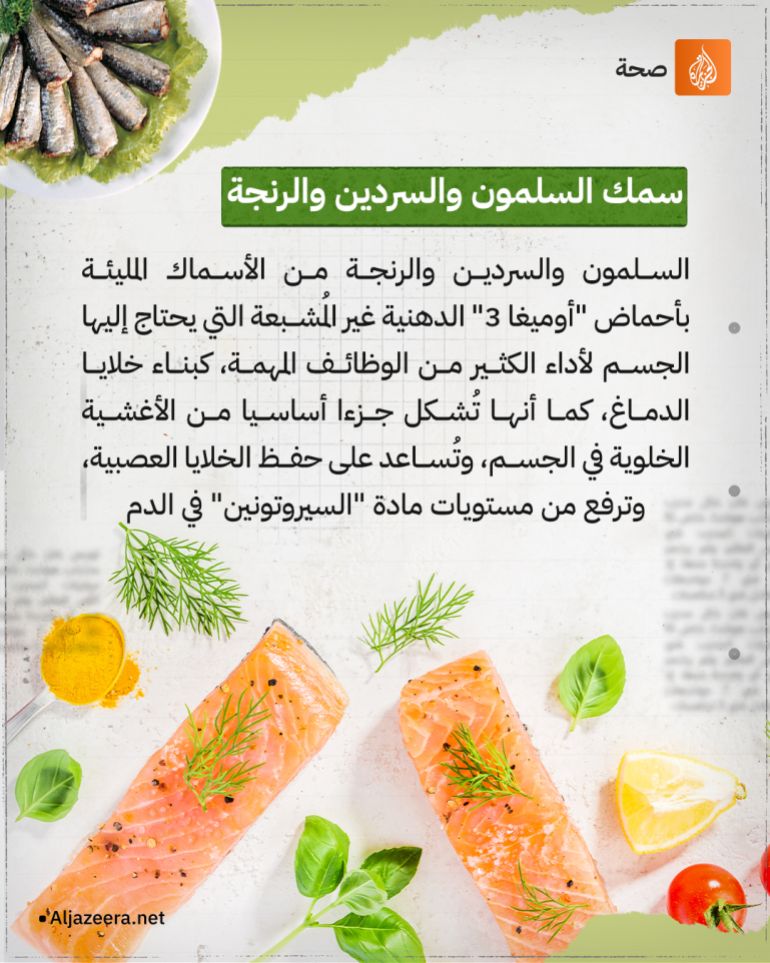
“Omega 3” is another food component famous for its preventive characteristics of the heart. “It has been proven that the omega -3 fat in oily fish reduces the level of triglycerides in the blood, which reduces the risk of heart disease,” says Rice.
This is one of the many reasons why the National Health Services Authority recommends eating at least one stake of oil fish per week.
Tea
Whether you eat black or green, with or without milk, tea is excellent for heart health. Wide -ranging studies have indicated that drinking tea daily reduces the risk of heart disease by up to 20%. This is partly due to the tea containing a very high percentage of Alvan-3-3-task compounds. One cup of black tea contains about 280 milligrams of flavan-3-3 compounds, which is the amount in more than 12 apples.
Rice says green tea may be especially useful for your heart “because it contains a compound called EPIGALOCATECHIN GALLATE), which is a strong antioxidant that has been proven associated with a low risk of heart disease.”
Dark chocolate
It may not be an essential part of our five daily shares, but at least the chocolate-dark and time-is rich in polyphenols, and 3 squares of dark chocolate contain about 30 milligrams of differences-3-first, which is the amount of approximately amount in two small apples, in addition to many other compounds useful for the heart.
“To feel the benefits, chocolate must contain at least 70% of steel cocoa, and to be rich in cocoa as much as you can eat and enjoy it,” says Rice.
Eating 3 squares of dark chocolate, once or twice a week, is a healthy heart treatment. “But there are many healthy sources of polyphenols, such as berries, nuts and tea,” Stanford added.