

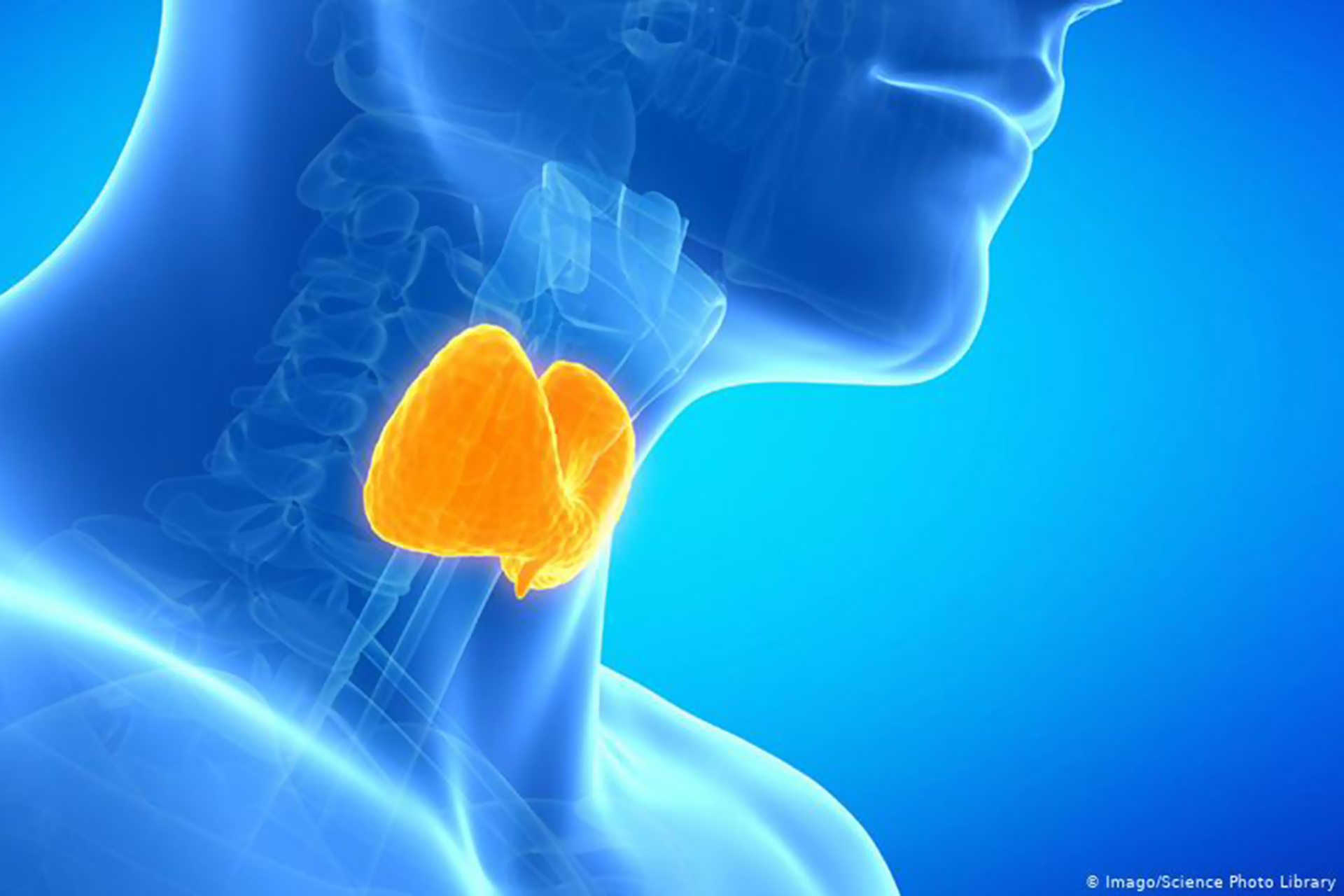
The German Nutrition Society said that iodine is of great importance to health, as the body needs it to produce thyroid hormones, which regulate bone formation and energy metabolism.
The association explained that the symptoms of iodine deficiency are fatigue and goiter, while iodine deficiency during pregnancy, breastfeeding, and early childhood leads to disturbances in physical and neurological development, in addition to decreased cognitive performance.
Since the body does not produce iodine itself, it must be obtained through nutrition, and its food sources are marine fish, eggs, and milk, in addition to iodized table salt and algae.
In the case of severe deficiency, nutritional supplements containing iodine can be used, taking them under the supervision of a doctor.
Daily quantity
The daily amount needed by an adult’s body is 150 micrograms, while this amount increases to 220 micrograms for a pregnant woman and 230 micrograms for a breastfeeding woman.
The German Society indicated that the maximum safe amount is 500 micrograms, in order to avoid the risks of excessive iodine intake, represented by hyperactivity or hypofunction of the thyroid gland.
Symptoms of hyperthyroidism include:
– Weight loss despite increased appetite.
– Accelerated heartbeat, rapid pulse, and high blood pressure.
– Sweating and heat intolerance.
– Nervousness, sleep disorders and insomnia.
Hypothyroidism can be indicated by the following symptoms:
– Thyroid enlargement.
– Metallic taste in the mouth.
– Increased saliva secretion.
– Digestive problems.
– Skin rash or acne.