

A study conducted by researchers at the Swiss “Spez” laboratory, which specializes in nuclear and biological threats, has reopened the debate about the mysterious biological behavior of some viruses inside the human body, after it revealed the possibility of genetic traces of the “Andes” strain of the Hanta virus remaining inside men’s semen for a period that may extend to about six years after recovery from infection.
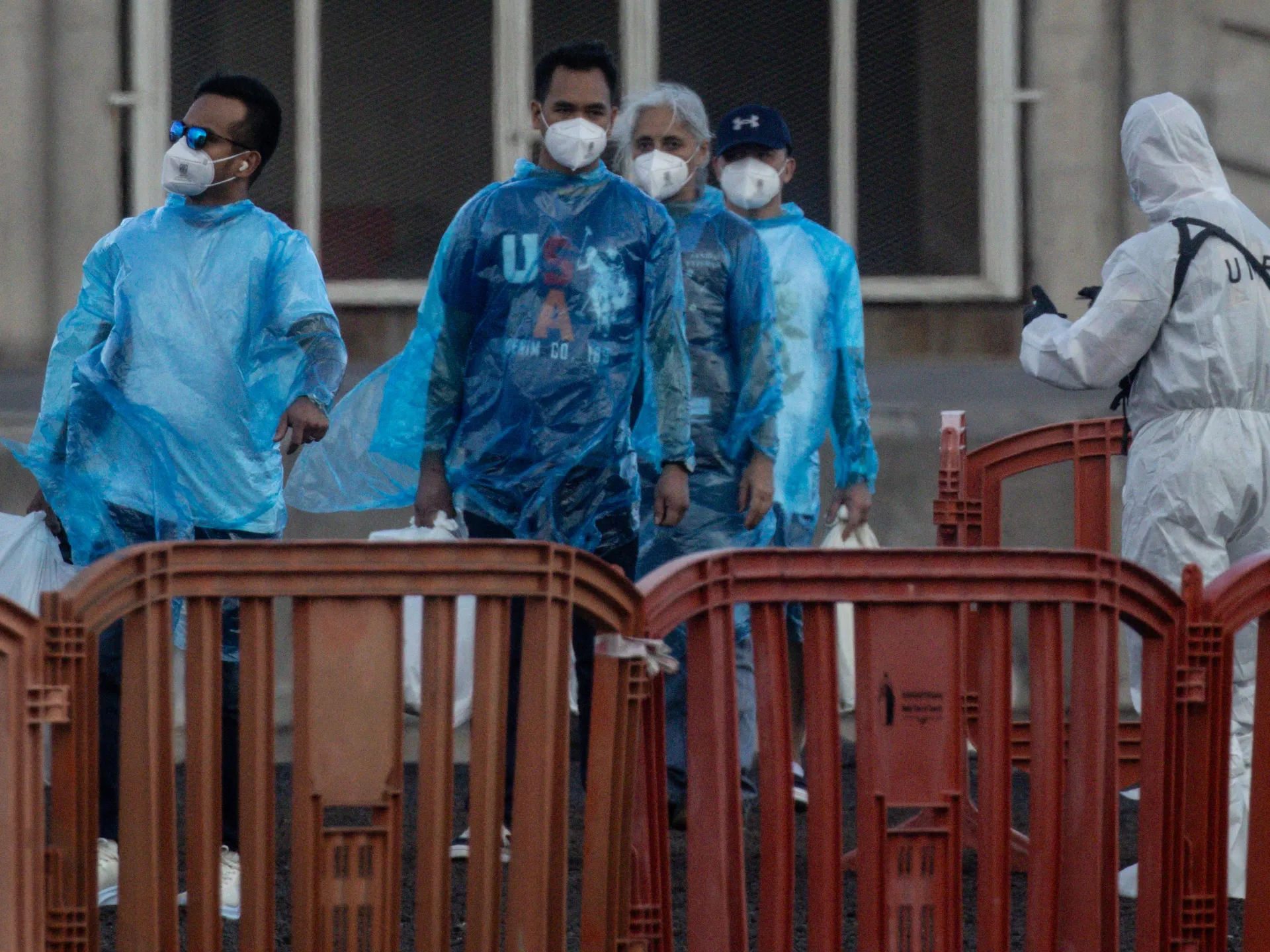
This comes as health officials continue to monitor the rare and deadly Andean strain of Hanta virus that spread on board the MV Hondius cruise ship, and showed disturbing results about the disease’s ability to be transmitted over long periods.
A number of foreign newspapers, including The Sun and The Independent, published details of the study in which researchers followed the case of a 55-year-old man who was infected with the Hantavirus in South America. Although the virus disappeared from his blood, urine, and respiratory system during his recovery, they found traces of viral genetic material in his semen 71 months (five years and 11 months) after infection.
A rare and dangerous virus
The Hantavirus is a rare and dangerous virus that is often transmitted from rodents to humans through inhalation of particles contaminated with rodent droppings or urine. In rare cases, it may cause Hantavirus cardiopulmonary syndrome, a serious disease with a death rate ranging between 25 and 40%, which makes it, according to the World Health Organization, “a disease of grave public health concern.”
Since sperm are necessary for reproduction, the body’s immune system does not attack them. This means that some viruses – including Hantavirus, Ebola and Zika – can remain hidden in a man’s testicles, even as the body fights them elsewhere.
The researchers describe the testicles as a “safe haven” for at least 27 infectious diseases, allowing pathogens to remain in the body and infect others for years after the patient has recovered.
The survival of the virus in the testicles depends on several factors, including the viral load (the amount of virus present in the bloodstream to begin with) and the ability of the virus to replicate within the male reproductive system.
The 2023 study suggests that the male reproductive system may serve as a reservoir for the virus, where the virus can evade the immune system, a pattern also observed in other viruses such as Ebola and Zika.
According to the study, the researchers said: “Taken together, our results show that the Andean virus has the ability to be transmitted sexually,” while stressing that no case of sexual transmission of the Andean virus has been documented.
Recommendations
The company “Irfinity” confirmed to The Telegraph yesterday, Friday, that the instructions directed to male Hanta virus patients should be similar to the World Health Organization’s protocols for monitoring the semen of those recovering from the Ebola virus, and that those who have recovered from the Hanta virus should receive comprehensive instructions on practicing safe sex after the end of the quarantine period (42 days).