

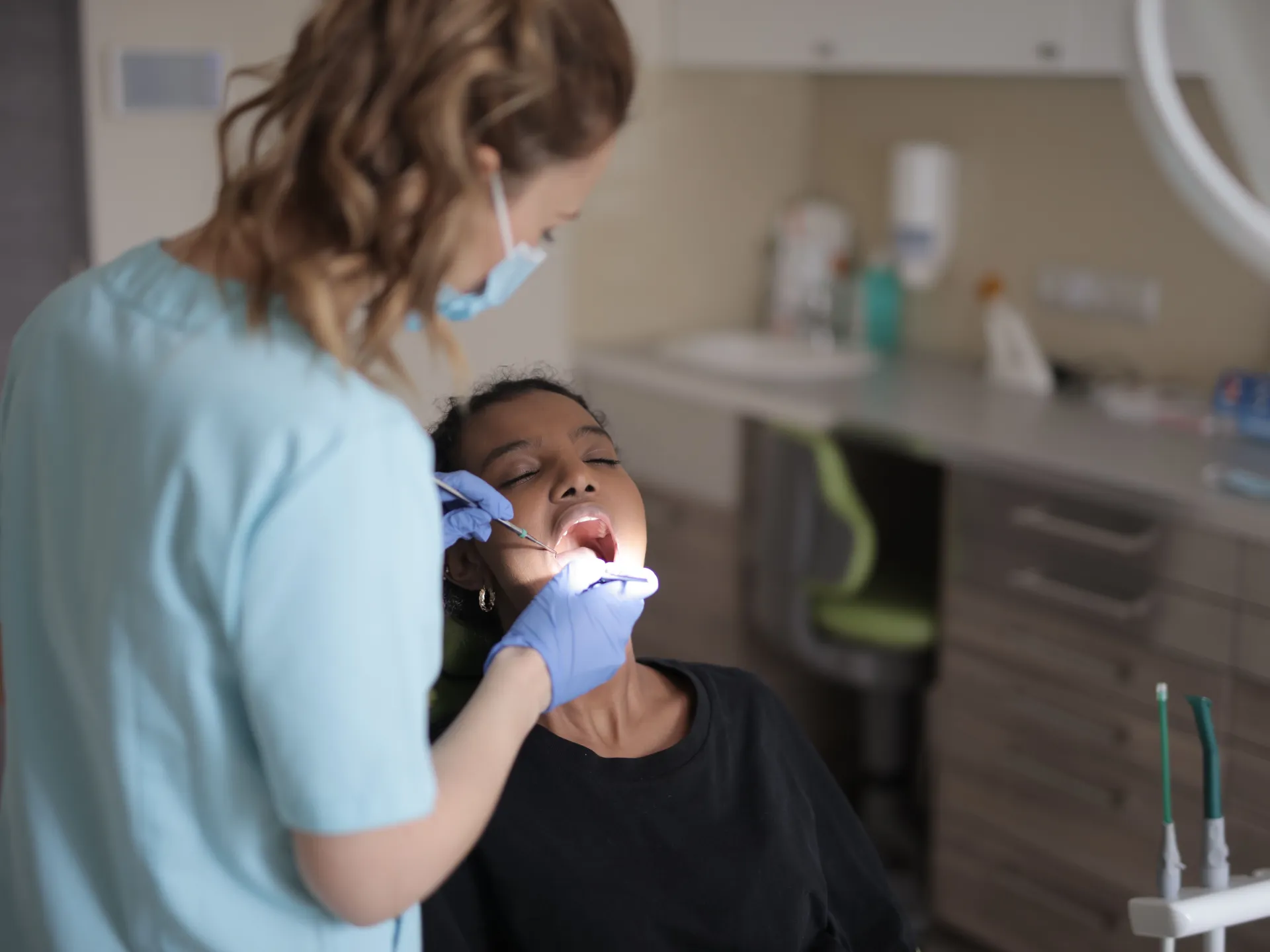
Researchers from the University of Michigan reported that a low-cost liquid known as Silver Diamine Fluoride (SDF) can stop tooth decay within seconds, without the need for drilling, injections or anesthesia.
The treatment is applied directly to the site of decay using a small sponge-tipped tool, in a process that only takes a few seconds for each tooth, making it a simple and quick option, especially for young children who may find it difficult to tolerate traditional treatment procedures.
This method is of particular importance because untreated tooth decay may cause children pain, infections, and difficulty sleeping and eating, and some of them may be forced in severe cases to undergo treatment under general anesthesia.
Margarita Fontana, a professor of dentistry at the University of Michigan School of Dental Medicine, said that this treatment is “very effective and safe, even for children as young as one year old.”
Decades of use
Silver diamine fluoride has been used successfully in a number of countries around the world for decades, while dentists in the United States have been using it since 2014 outside of its officially approved use.
The liquid is placed directly on tooth cavities, which are the holes resulting from the erosion of the protective enamel layer, as it helps stop the progression of caries without removing the affected parts of the holes.
Although it has been used in American clinics for years, the extensive clinical trials needed to obtain formal regulatory approval had not been conducted previously.
An experiment on 830 children
Researchers led by the University of Michigan conducted a phase III clinical trial, including 830 children under the age of six in the United States, to evaluate the effectiveness and safety of the treatment.
The results showed that applying a 38% silver diamine fluoride solution once every 6 months stopped caries in more than half of the affected baby teeth in 38% of the participating children.
The results indicate that the treatment may provide a less complicated way to deal with cavities, especially in children who are afraid of the dentist or cannot tolerate drilling and anesthesia sessions.
The most common chronic disease
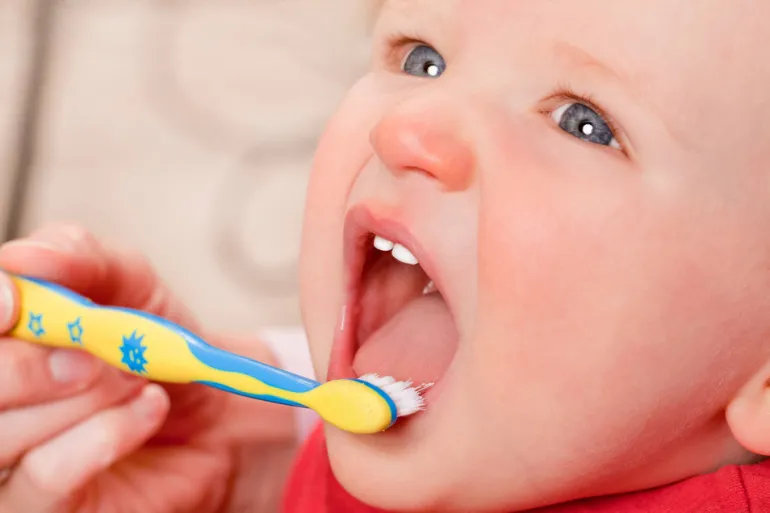
Tooth decay is the most common chronic disease among children, affecting more than 40% of them in the United States.
The repercussions of untreated caries are not limited to pain, but may include infections, difficulty sleeping or eating, missing school, and repeat medical visits.
The researchers believe that providing quick and low-cost treatment, which does not require drilling or anesthesia, may help expand access to care, especially for young children and groups who have difficulty accessing traditional dental services.