

6,500 passengers experienced the experience across 4,500 flights
12 vehicles are currently operating and the service is available free of charge from Hamad International Airport
Covering 300 km of roads and preparing to transition to driverless operation
Zero accident rate from autonomous driving without any intervention from the safety official
4.87 out of 5 points Passenger satisfaction rating with the vehicle, technology and ride experience
The next stage depends on artificial intelligence and a control room that monitors vehicles remotely
Training “Karwa” cadres in China on self-driving techniques to undergo practical experiences
The service is available through the “Karwa” application and is available in the main areas of the country
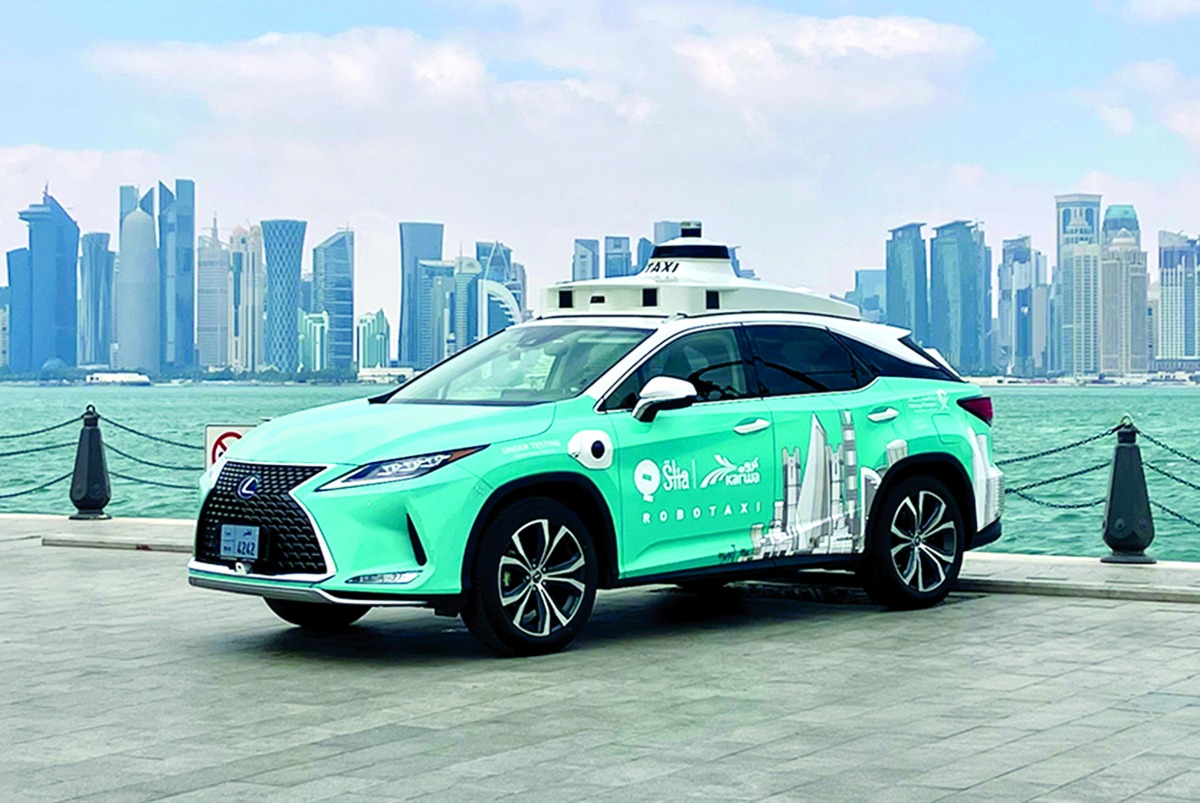
The “self-driving taxi” robotaxi project is entering the streets of Qatar, placing Doha at the heart of the technological transformations witnessed by major global capitals and cities in the field of smart mobility. The project embodies the country’s trend towards adopting the latest artificial intelligence and autonomous driving technologies, in line with the Ministry of Transportation’s plans to shift towards smart and sustainable transportation, and supports the goals of the Qatar National Vision 2030.
With the launch of the self-driving taxi project, this technology moves from the scope of experiments and future visions to a practical step that paves the way for a broader transformation in the transportation system, and opens the door to a new phase entitled smart, safe and sustainable mobility, benefiting from advanced infrastructure and digital and technical capabilities that qualify Qatar to expand the application of future transportation solutions.
The project does not merely represent the introduction of a new type of vehicle to the roads, but rather forms part of an integrated approach to redrawing the future of mobility, by employing artificial intelligence and digital technologies to raise operational efficiency, enhance safety levels, and improve passenger experience, in parallel with preparing national cadres and the operational structure necessary for the gradual transition to more advanced stages of autonomous driving.
In this report, we monitor the details of the “Robo Taxi” experience in Qatar, the results and numbers it has achieved so far, the mechanism of operation of the vehicles, safety and security standards, and the stages of transition from the presence of a safety official inside the car to operation without a driver, as well as the current coverage areas and future expansion plans, leading to the picture that the streets of Qatar could look like in the era of self-driving transportation.
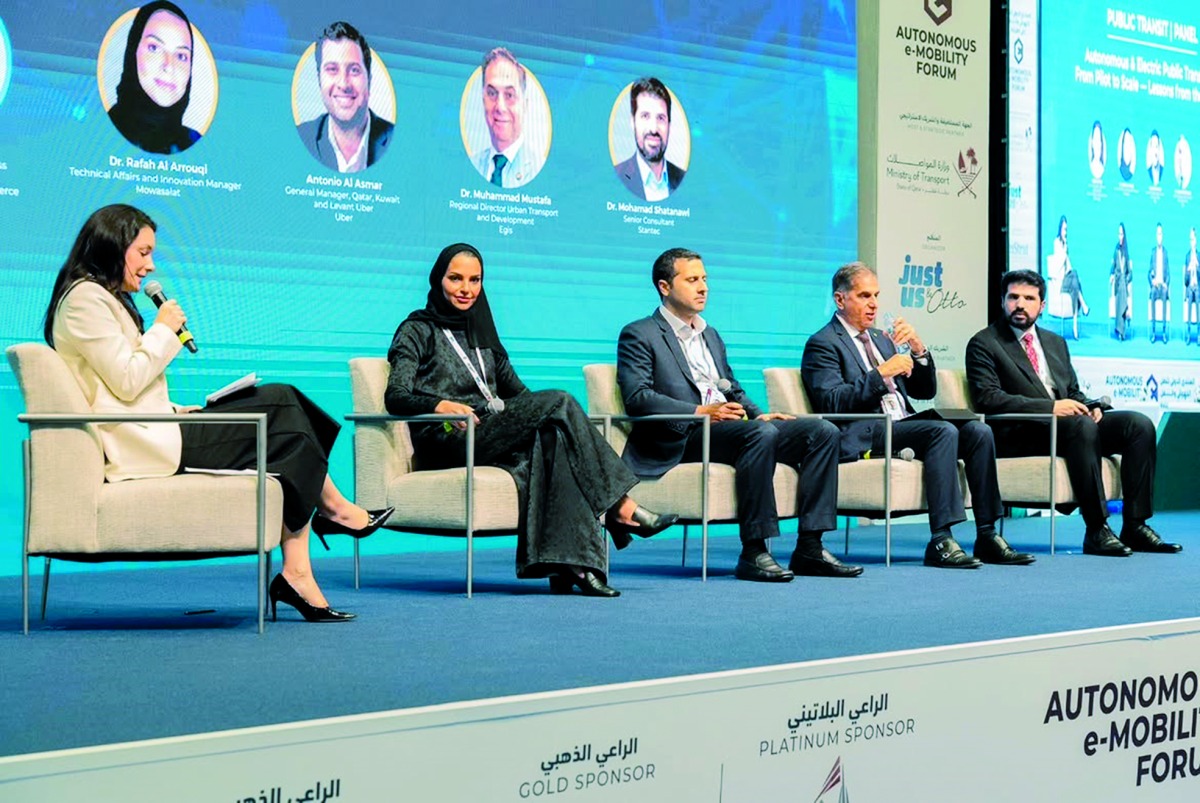
In this context, Dr. Rafah Al-Arouqi, Director of Technical Affairs and Innovation at Karwa Transportation Company, confirmed that the “Robo Taxi” project in Qatar has achieved great progress in the stages of trial operation, noting that self-driving vehicles have exceeded one million kilometers of self-driving within the country, which qualifies the project to move to the next stage of operation without a driver, in accordance with the directives of the Ministry of Transportation and the concerned authorities.
Al-Arouqi said, in special statements to Al-Arab on the sidelines of the International Forum for Electric Transport and Self-Driving Transport, that the projects of the Karwa Transportation Company, including robotaxis, electric buses and public transport projects, come within the framework of the Ministry of Transport’s strategy to shift towards smart and sustainable transport.
6,500 passengers and 4,500 flights
She explained that the Robo Taxi project began with an experimental phase aimed at training the vehicle’s artificial intelligence system to suit the infrastructure, road environment, and operating conditions in Qatar.
She added that after completing this stage, the project moved to the experience of providing service to the public, noting that about 6,500 passengers have used the vehicles so far, through more than 4,000 trips, amounting to about 4,500 trips as of yesterday.
She revealed that the users’ evaluation of the experience amounted to about 4.87 out of 5 points, which, according to her statements, reflects a high level of passenger satisfaction with the vehicle, technology, and trip experience.
One million kilometers without accidents
Regarding safety standards, Al-Arouqi confirmed that no critical accident resulting from a vehicle error had been recorded so far, noting that the company continuously measures the rate of manual intervention on the part of the safety official inside the car.
She explained that the project reached an indicator of one intervention per 10,000 kilometers, which she considered consistent with the reference indicators approved in the sector.
She explained that the safety officer does not drive or control the vehicle during normal operation, but rather his mission is to monitor and intervene when necessary.
From taxi driver to remote observer
Al-Arouqi revealed a plan to develop the role of safety officials in conjunction with the transition to driverless operation, explaining that they started as ordinary taxi drivers, before being sent to Guangzhou in China to obtain training and work for several months within the operations of operating autonomous vehicles.
She added that they returned to Qatar to work as safety officials inside robotaxis, and in the next stage they will move to work as controllers and remote operators.
She stressed that the remote controller will not drive the car from the control room, but will follow the operations, and if the artificial intelligence system needs help in a situation that it cannot handle, the controller will provide a recommendation to the system without directly controlling the vehicle.
Coverage in Qatar
Al-Arouqi indicated that the Robo Taxi operating maps currently cover about 300 kilometers, and include major areas including Hamad International Airport, the port, the Corniche, Doha Central, West Bay, and Lusail.
The maps also include other areas ready for future expansion, including the Education City and universities, stressing that expansion in these areas can take place as soon as the necessary approvals and directives are obtained from the relevant authorities.
12 street vehicles and free airport service
Al-Arouqi said that the Robo Taxi service currently exists in Qatar, with about 12 vehicles operating on the streets, and can be accessed through the application.
She added that the service is also available from Hamad International Airport for free, where those coming to Qatar can use the Robo Taxi from the taxi area and take it to a number of destinations, including Souq Waqif and tourist sites.
She confirmed that “Mowasalat” continues to work and coordinate with the Ministry of Transportation and the relevant authorities to ensure its readiness to expand the service, noting that the date of moving to the next stage and official expansion is linked to the decisions and directives of the competent authorities in the country.