

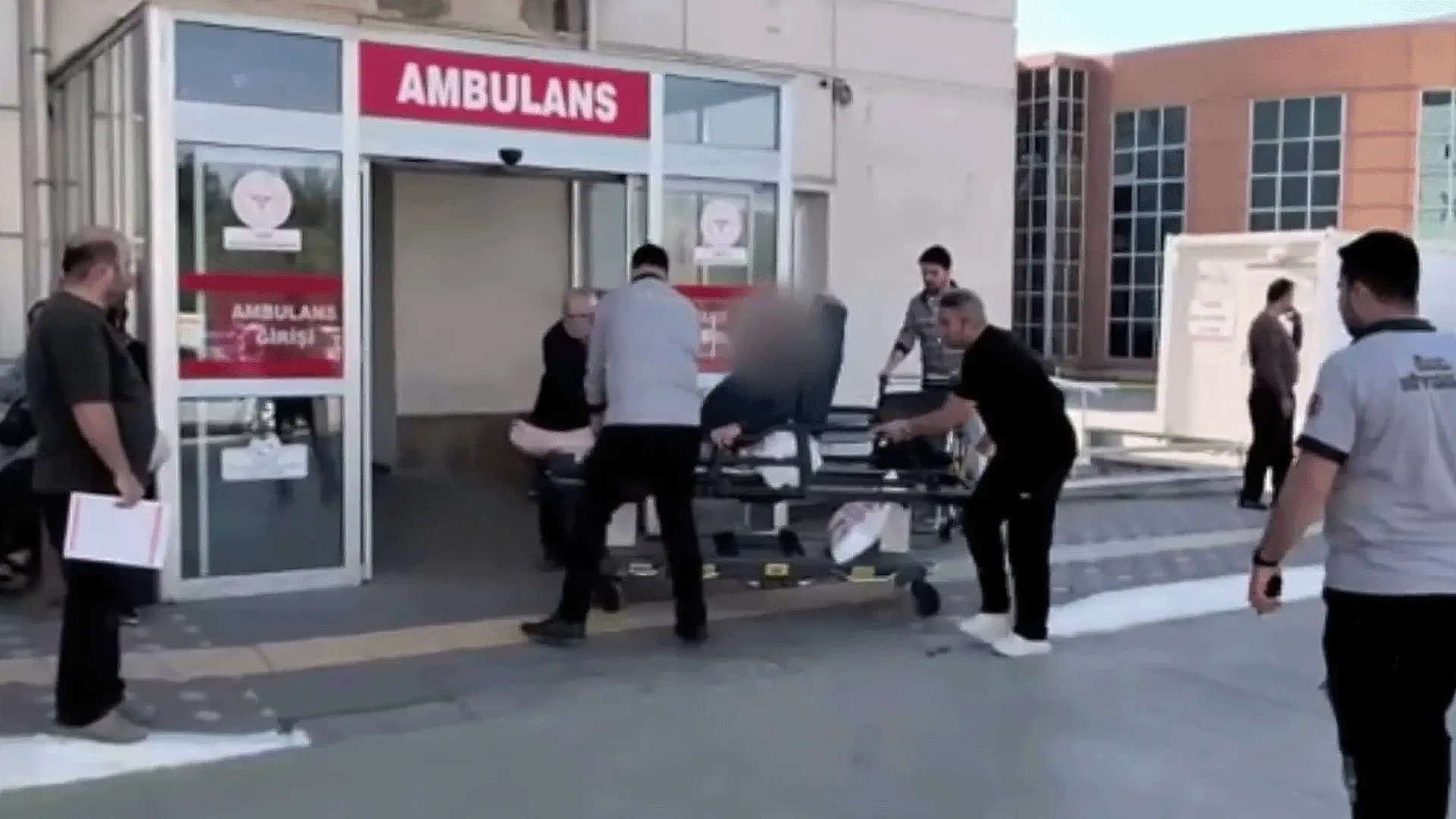
A sudden epidemic outbreak in the city of Tokat, northern Türkiye, ignited a state of anxiety and widespread controversy on digital platforms, following the influx of more than 5,000 patients to hospitals in just 3 days.
The crisis topped digital discussions in the country amid fears of contamination of water sources, and sharp questions that held the authorities responsible for transparency and revealing the circumstances of the rapid and mysterious spread of the infection.
The crisis began with the appearance of severe intestinal symptoms, including nausea, vomiting, diarrhea, abdominal and body pain, accompanied by fever and headache. Most of those infected were children, the elderly, and those with chronic diseases.
Although the city governor confirmed that there are no life-threatening cases and that the majority of cases have been discharged, dozens are still receiving care in hospitals.
The alarming pace of spread prompted the authorities to open an emergency investigation and suspend classes for one day to carry out extensive sterilization work for schools, markets and public facilities, while the mayor called on residents to avoid using tap water for drinking or cooking while awaiting the results of examining random samples.
On the medical level, the head of the emergency department at Tokat University Hospital, Professor Serhat Karaman, suggested that the symptoms were consistent with “norovirus.” It is a virus that is quickly transmitted through contaminated food, water, and surfaces, and although it does not pose a major threat to healthy people, it may threaten the lives of vulnerable groups due to dehydration if not treated.
Despite what the local newspaper “Sabah” reported about the virus having already been detected in the samples of a large number of patients according to medical sources, the official authorities have not yet announced any final result that resolves the cause and source of the epidemic.
Great interaction
On the digital space, the reactions of Turkish citizens reflected clear discontent and demands for accountability, some of which were monitored by the “Shabakat” program in the episode (October 14, 2026), as activist Yilmaz refused to be satisfied with traditional administrative reassurances, stressing the necessity of knowing the defect and the source of what happened.
It’s not enough to hear that the situation is under control, we want to know what happened? Where is the error? People’s health is not an administrative detail.
The tweeter, Maryam, believed that proven sewage mixing with drinking water was a disaster resulting from negligence that could have been avoided.
If it is proven that wastewater was mixed with drinking water due to negligence, this is not just a problem in the water network, but a disaster that could have been avoided.
For his part, blogger Janner warned that the absence of accurate official information opens the door to rumors and keeps people guessing.
In such crises, the absence of information is no less dangerous than the disease itself, because it opens the door to rumors and leaves people guessing.
While activist Elif stressed that thousands of patients deserve to reach the truth through a serious investigation that includes all hypotheses, away from quick explanations aimed at absorbing anger.
Thousands of patients now deserve to know the truth and what happened to them, not just a quick explanation that satisfies people’s anger. All possibilities should be seriously investigated.