

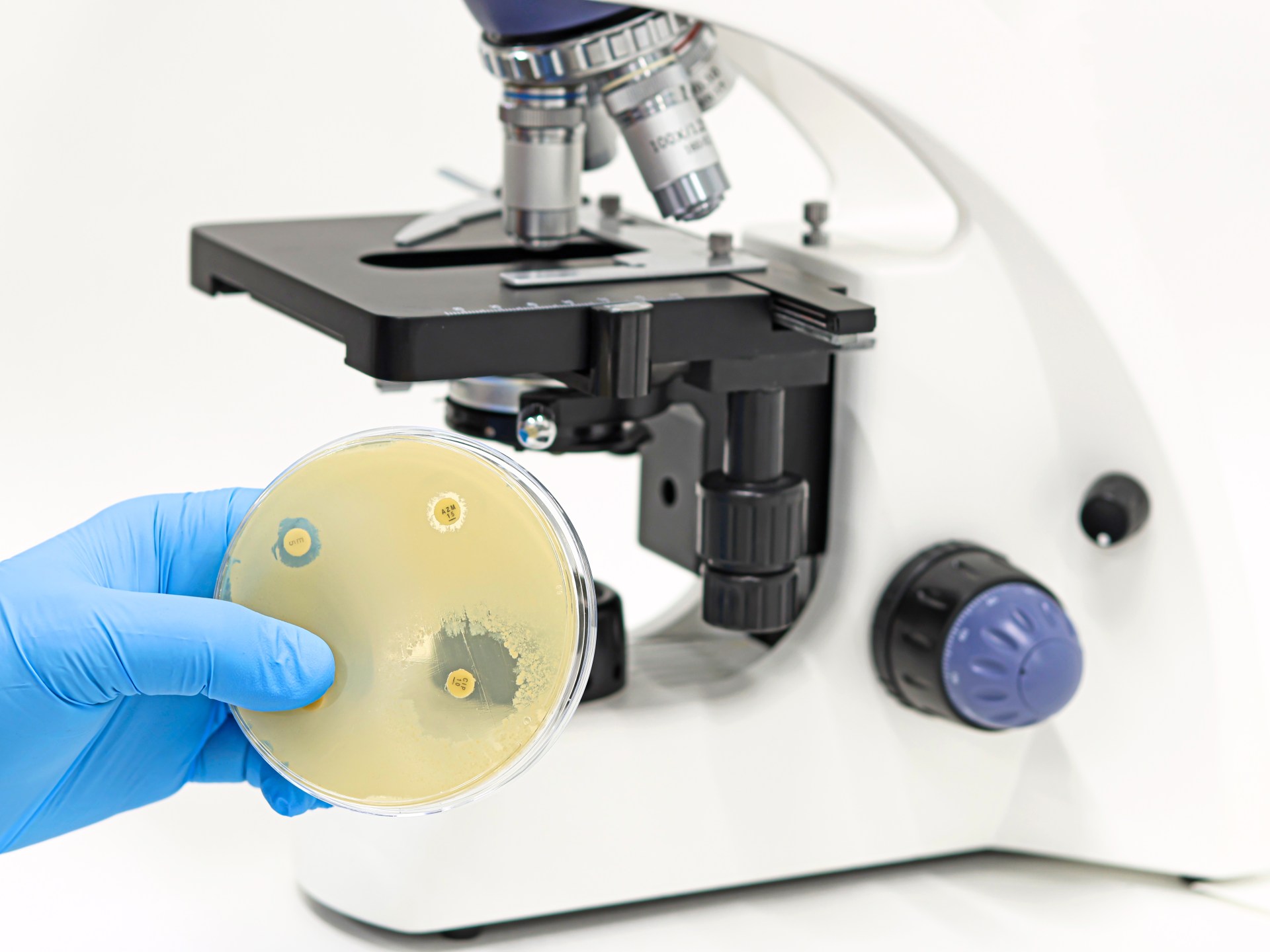
Researchers from the universities of Monash and Alfred in Australia have developed a product that uses bacterial viruses known as “male” to combat bacteria resistant to antibiotics, in a move that is a great progress in the treatment of infectious diseases.
This treatment is called “Entelli-02”, which is a mixture of five male, specially designed to target the “Enterobacter Cloacae Complex” group, a group of bacteria responsible for a severe infection that is often difficult to treat.
The study was supervised by Professor Jeremy Jar of the Faculty of Biological Sciences at the University of Monash, in cooperation with Professor Anton Belig of the Department of Infectious Diseases at Alfred University and Montash in Australia, and published in the “Nature Microbiological” magazine on September 24, and wrote about the Yorik Alier site.
“This is the first time that we design and develop a ready -made therapeutic product for use, designed specifically for bacterial pathogens that resist antibiotics in a local hospital,” said Professor Bar.
He added that “Intellec-02 is not just a scientific achievement, but rather a clinical tool designed for use in the front lines against the deadly bacterial and resistant bacterial pathogens.”
Virus air conditioning
Anteropacter’s infection is known for the difficulty of treating it, and it has been associated with more than 200,000 deaths globally in 2019. This infection appeared in hospitals around the world, and has the ability to develop resistance to many antibiotics.
The co-author of the study, Dr. Denish Sobidi, said that the research team developed and produced Intellecies through a precise process to isolate the male, genetic analysis, and pre-clinical tests.
“We initially started with three malays in our mixture, and we felt the mixture by genetically adapting viruses, and then choosing two additional catastrophes with improved therapeutic results,” Sobidy added.
The final product in Intelle-02 contains five malays capable of killing a wide range of intestinal bacteria, and reducing bacterial loads in affected mice.