

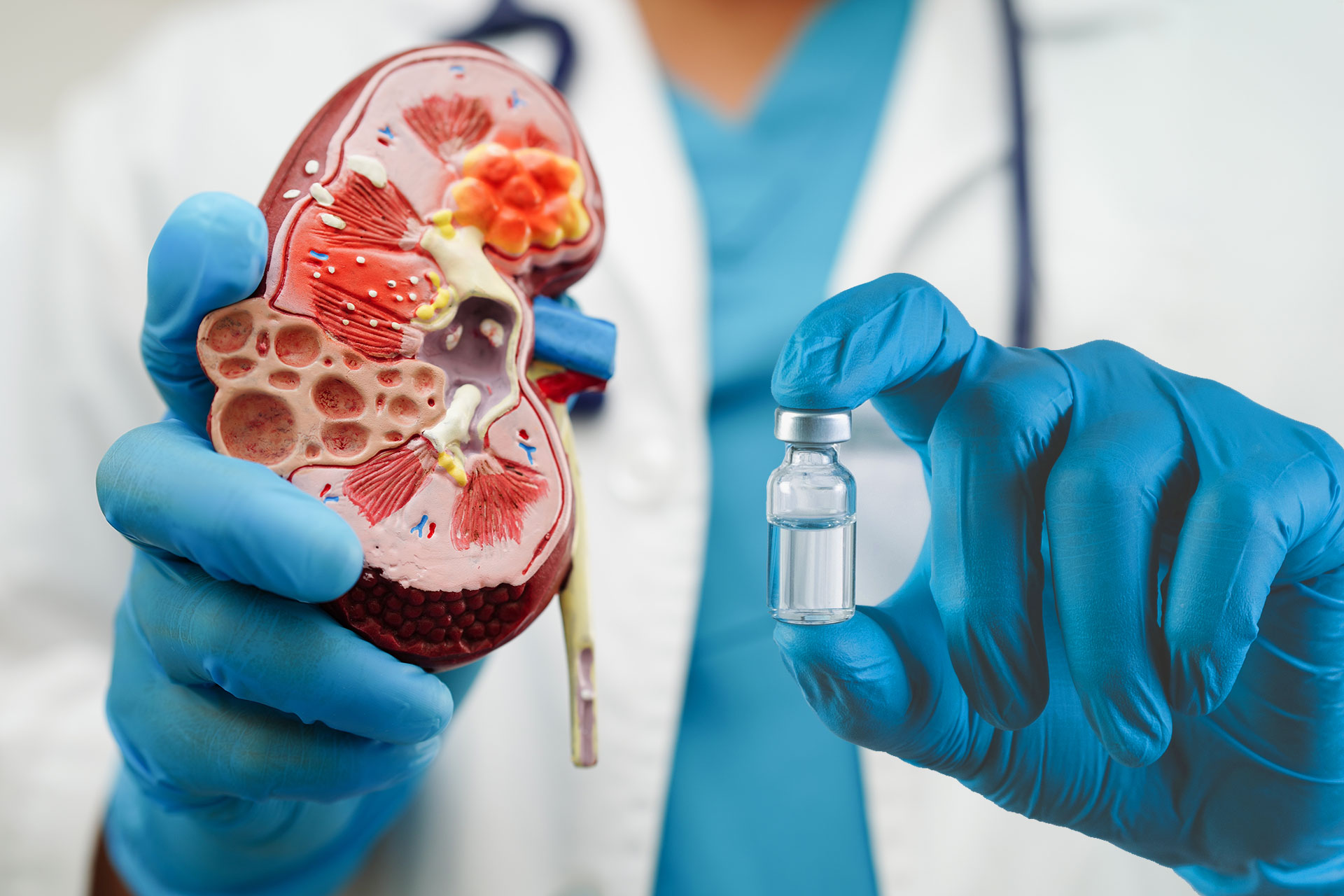
An experimental compound has been shown to reduce cell death and reduce inflammation and organ damage in people with diabetes.
The study was conducted by researchers from the Department of Chemistry at the State University of New York in the United States of America, and its results were published in the Journal of Cellular Chemical Biology on October 16, and the Eurek Alert website wrote about it.
The new compound prevents the interaction between two proteins whose combination causes the heart and kidney damage seen in people with diabetes, and slows the healing of diabetes-related wounds.
The study revealed that the study compound reduces swelling of diabetic tissues and accelerates their repair, by preventing the DIAPH1 protein from binding to the RAGE protein.
The compound is being tested
The drug tested is called RAGE406R, a small molecule named after the protein it targets.
Experiments conducted on both human cells and mice found that the compound significantly reduced short- and long-term complications of type 1 and type 2 diabetes.
“There are currently no treatments that address the root causes of diabetes complications, and our work shows that the new compound can do that,” said Dr. Anne-Marie Schmidt, the study’s co-principal investigator, professor of endocrinology at NYU Grossman School of Medicine, and professor of endocrinology in the Dr. Evan Young Chair at NYU Grossman School of Medicine.
She added: “If these results are confirmed by further testing in human trials, this compound may fill gaps in treatment, including that most current drugs only work against type 2 diabetes.”
The team tested the new compound in a key model of a chronic diabetic complication, impaired wound healing in obese mice with type 2 diabetes. The data revealed that topical treatment with the drug accelerated wound healing in male and female diabetic mice.