

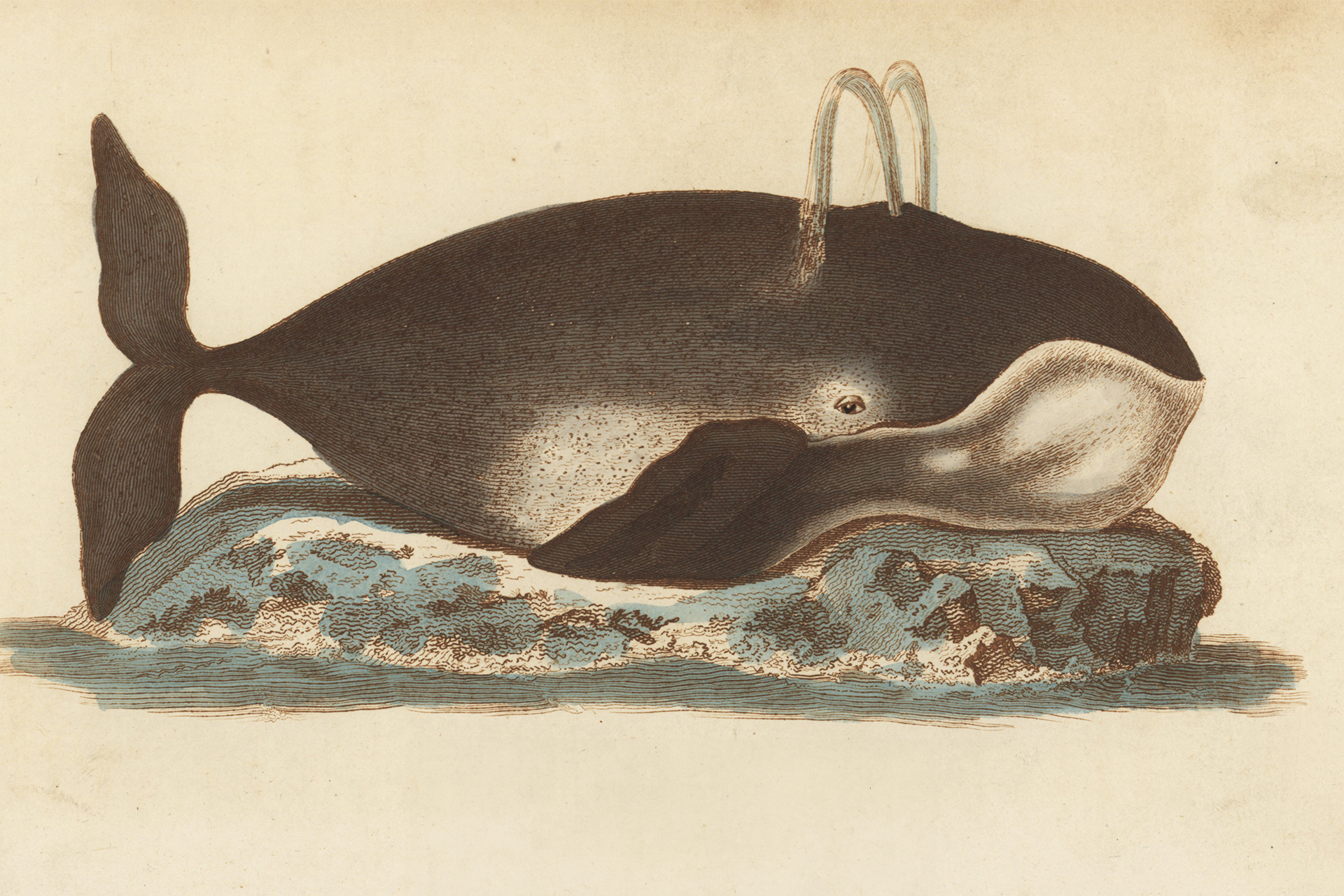
Researchers from the American University of Rochester have discovered new evidence that may solve the mystery of whale longevity, which is the abundance of a protein that helps repair DNA.
Bowhead whales, the only warm-blooded mammals that live longer than humans, can live 200 years and rarely develop age-related diseases such as cancer.
The study was conducted by researchers from the University of Rochester Medical Center in the United States, and the results of the study were published in the journal Nature on October 29, and the Eurek Alert website wrote about it.
Cancer development is a complex process that involves biology, inherited genes, and environmental factors. If DNA is damaged and the damage is not repaired, the risk of cancer increases.
The team found that a DNA repair protein called CIRBP in bowhead whales was present at levels 100-fold higher than in other mammals.
From bowhead whale to humans
“This research shows it is possible to live longer than the average human lifespan,” said study co-author Dr. Vera Gorbunova from the Department of Biology, University of Rochester.
While working with scientists in Alaska on the bowhead whale project, the Rochester team discovered that lower temperatures boost the CIRP protein.
But can this apply to humans? It’s too early to say for sure, but Gorbunova suggested it would be worth exploring how CIRPB activity can be enhanced in the human body.
In theory, lifestyle changes, such as cold showers or exposure to cold temperatures, may help.
“There are different ways to improve genome maintenance, and here we discover a unique way that has evolved in bowhead whales, where levels of this protein increase dramatically,” says Gorbunova. “We now have to see if we can develop strategies to upregulate the same pathway in humans.”