

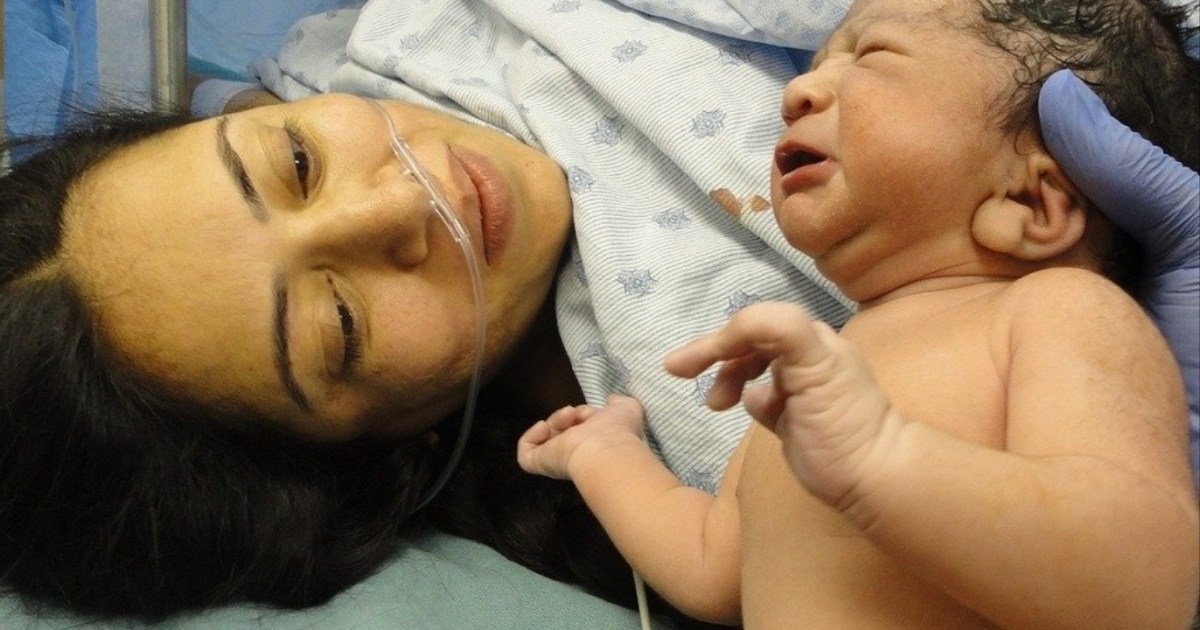
Childbirth culminates the nine months of pregnancy and ends the journey of “weakness upon weakness,” beginning other stages. The birth process, despite its short duration, represents a bottleneck in accomplishing the task. During the months of pregnancy, this step is preceded by many preparations, including planning for the birth process itself, and here mothers are bombarded with advice and guidance from all sides.
It contains guidance and advice from experienced women, both good and bad, with information related to childbirth and its preparations. For example, some women encourage caesarean section and exaggerate its advantages, while another group exaggerates its condemnation and belittles the women who undergo it, thinking that it is a way to escape from the “sacred pain” that will build the relationship between the mother and her child. So what is the truth of these allegations for and against?
The World Health Organization indicates that the use of caesarean section is on the rise worldwide, as it represents, as of 2021, more than 1 in 5 (21%) of all births. This number is thought to continue to rise over the next decade, with a third of births (29%) likely to be caesarean sections by 2030.
While a cesarean section can be an essential, life-saving surgical procedure, it can put women and children at unnecessary risk of short- and long-term health problems if it is performed when there is no medical need.
What is a cesarean section?
The United Kingdom’s National Health Service website indicates that a caesarean section is a surgical procedure to remove the baby from the mother’s uterus by making a 10 to 20 cm incision in the abdomen and uterus.
A caesarean section may be recommended as an elective and planned procedure or performed in an emergency situation if a vaginal (natural) delivery is thought to be too risky. A planned caesarean section is usually performed at the 39th week of pregnancy.
You will be able to see and hold the baby as soon as he is born if he is healthy. A baby born by emergency caesarean section can be taken directly to the pediatrician for resuscitation if he needs it.
Why have caesarean section rates increased?
There are many complex reasons behind the high rates of caesarean section, and they vary widely between and within countries. A caesarean section may be necessary in situations such as prolonged or obstructed labor, when the fetus is in an awkward position, or because the baby is in an abnormal position. The increase in caesarean sections in some countries may be due to the increasing number of complicated deliveries resulting from high obesity rates and women giving birth to children late in life. Many women choose a caesarean section just so they can control when they give birth.
Myths about caesarean section
Myth 1: Caesarean section is the “easy option”
There is a perception that this is the easy way out, which is not true at all, as Dr Miz Arif Adeeb, a consultant obstetrician and gynecologist specializing in obstetrics and gynecology in London, explains to The Independent. “It is definitely not easier, it is a major surgery,” Dr Miz tells The Independent. However, it may seem more predictable because you know the exact timing of the baby’s birth, which may provide some reassurance and can make the birth go faster.
As with any surgery, it comes with its risks and pain. These risks include the possibility of severe bleeding or infection, slow recovery after birth, delay in breastfeeding the baby, and increased possibility of complications in future pregnancies. So it is usually not performed unless it is the safest option for the mother and baby.
Myth 2: You will not feel anything during a cesarean section
Dr Shazia Malik, a consultant obstetrician and gynecologist at Portland Hospital in the UK, says: “Most women remain awake during the procedure and receive either spinal or epidural anesthesia, which numbs the lower half of the body. While you will not feel pain, you may feel pressure, pulling or Stretching during childbirth. These sensations are normal and part of the procedure. It is unusual to not feel anything at all, but the anesthesiologist will make absolutely sure you do not feel any pain during the procedure, either “It was performed as an emergency or a planned procedure.”
Myth 3: You cannot have more than one cesarean section
“Many women can safely have multiple cesarean sections,” explains Dr. Shazia Malik, “but each additional surgery can increase risks, such as the formation of scar tissue and complications during pregnancy or childbirth, such as damage to the bladder or uterus. That’s why we generally don’t recommend more than 3 Cesarean deliveries, but it may be less so depending on the mother’s factors and surgical history. Careful monitoring and planning are crucial before pregnancy. Pre-pregnancy advice from an obstetrician is important if you have any medical or surgical risk factors On pregnancy or childbirth.”
Myth 4: You cannot give birth naturally after a previous cesarean section
Dr. Maze explains that a mother can give birth naturally after a previous caesarean section, and this is often encouraged if the mother desires it and there are no medical reasons to avoid it. “This can be a safe option, but it’s important to discuss it with your doctor or midwife to make sure it’s right for you, because it depends on factors such as the type of scar from a previous caesarean section and your current pregnancy,” she says.
Myth 5: Caesarean section does not entail any risks
“Like any surgical procedure, a cesarean section carries risks,” says Dr. Shazia Malik. “These risks include infection, blood loss, blood clots (thrombosis), and complications in future pregnancies, such as placenta previa or uterine rupture, implantation of the pregnancy in the scar, or even weakness.” Fertility: It is important for women to discuss these risks with their health care provider to make an informed decision before each birth they may have.”
The World Health Organization indicates that, according to data from 12 million pregnancies, maternal deaths after caesarean sections in low- and middle-income countries are about 100 times higher than in high-income countries, where up to a third of children die. Data from 1990 to 2017 show that a quarter of women who died in childbirth in low- and middle-income countries had a caesarean section.