

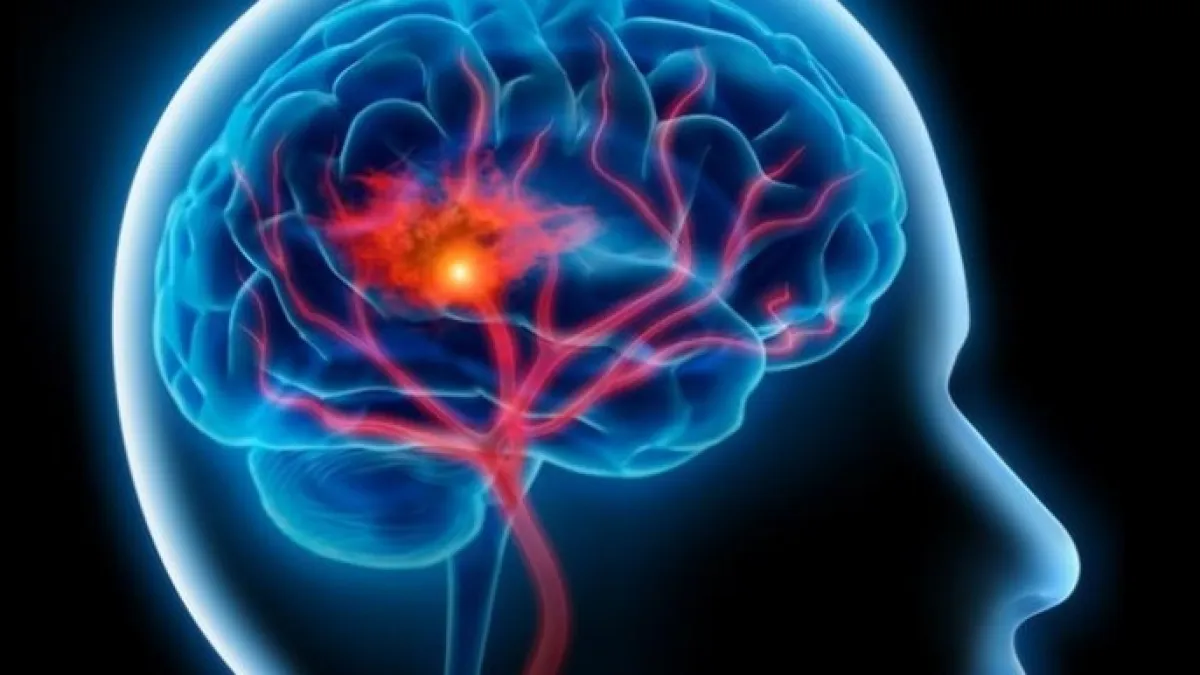
The health challenges facing humans increase with age, especially those related to the brain, cognitive abilities, and memory. With aging, the risk of dementia, strokes, and decline in cognitive functions increases, as a result of the intersection of biological, environmental, and life behavioral factors, the effects of which may begin in the early childhood years.
Brain health is not related to age alone, but is also affected by daily lifestyle, such as nutrition, physical activity, sleep, mental health, stress levels, and even the social environment surrounding the person.
Health experts warn that unhealthy habits, such as smoking, excessive consumption of unhealthy foods, lack of movement, sleep disorders, and chronic stress, may over time turn into factors that directly threaten the brain, and raise the risk of stroke and dementia.
A global risk that accelerates with aging
The seriousness of this problem increases with expectations that the number of people over the age of 65 will rise to more than 1.5 billion by 2050, which means an expanding circle of those at risk for dementia, cognitive decline, and strokes.
Although strokes are often associated with the elderly, they are not limited to them only, as they can affect people under the age of 65, and even children and infants in some cases.
International health institutions confirm that confronting this challenge requires enhancing community awareness and developing health policies that support early prevention, especially with the significant increase in health and social costs associated with chronic brain diseases.
The brain begins aging early
The American Heart Association reports that brain protection does not begin when symptoms of the disease appear, but rather in the very early stages of life. The daily behaviors that a person gets accustomed to since childhood may later determine the extent of his brain’s resistance to aging and cognitive decline.
The association explains that brain health does not depend solely on genetic genes, but rather is shaped by a complex network of overlapping factors, including physical health, good sleep, physical activity, nutrition, and psychological and social support.
Cardiovascular health is directly linked to brain health, as nerve cells depend on continuous blood flow that is rich in oxygen and nutrients, which makes maintaining heart health an essential part of preventing dementia and strokes.
Hidden factors threaten memory
According to health experts, the risks are not limited to smoking and obesity only, but also include less obvious factors such as:
- Chronic stress, anxiety, and depression
- Social isolation
- Sleep disorders
- Environmental pollution
- Chronic infections
- Poor education and health care
- Hearing loss
- malnutrition
- Gut microbiome disruption
Recent studies indicate that air pollution, pesticides, and microplastics may contribute to increased neuroinflammation and oxidative stress, factors associated with the deterioration of neurons with age.
This is why experts believe that protecting the brain is not only an individual responsibility, but rather a collective responsibility that includes improving the environment, education, health care, food, and quality of life.

How do we protect the brain from aging?
Doctors believe that early prevention is still the most powerful weapon in the face of brain diseases, and the most important preventive steps include:
Control of chronic diseases
Such as high blood pressure, diabetes, cholesterol, and obesity, because they directly affect the health of the blood vessels that feed the brain.
Good sleep
Studies have shown that poor sleep and sleep apnea may affect memory, attention, and mood, and raise the risk of cognitive decline.
Regular physical activity
Even daily walking helps improve blood flow to the brain, and reduces the risk of dementia and strokes in the long term.
Healthy nutrition
A diet rich in vegetables, fruits, legumes, whole grains, olive oil and fish helps support both heart and brain health.
Mental health and social relationships
Reducing stress, anxiety, and depression and enhancing social relationships contribute to protecting the brain from the effects of chronic stress and accelerated aging.
The sun vitamin..Does it slow down aging?
Scientists are increasingly interested in vitamin D, after recent studies linked it to enhancing immunity, reducing inflammation, and possibly slowing cellular aging.
An American study conducted on more than a thousand people with an average age of 65 years showed that taking 2,000 IU daily of vitamin D helped preserve “telomeres,” which are structures that protect DNA from damage with age.
Despite the promising results, researchers stress that the matter still needs more studies, and they warn against excessive intake of supplements without medical supervision.

Nasal spray revives hope
In a remarkable scientific development, researchers from Texas A&M University announced the development of a nasal spray that showed the ability to reduce brain inflammation and improve memory in preliminary experiments.
Researchers believe that this approach may open the door in the future to new treatments to slow brain aging and confront diseases such as Alzheimer’s and dementia, especially with the expected global increase in the number of people infected with these diseases in the coming decades.
Peanuts and memory support
A recent study conducted by the Dutch University of Maastricht revealed that eating two servings of roasted peanuts daily may help improve blood flow to areas of the brain associated with memory and thinking.
Tests showed a noticeable improvement in blood flow within some cerebral lobes, but the researchers stressed that peanuts do not represent a cure for dementia or Alzheimer’s, but rather may be part of a dietary pattern that supports brain health.
The battle begins today
Modern research reveals that brain health is not just a matter of luck or genes, but rather the result of a long accumulation of daily habits, lifestyle, and the environment surrounding a person.
This is why experts emphasize that the best opportunity to protect memory and reduce the risk of strokes and dementia does not begin within hospitals, but rather begins with the small decisions that a person makes every day: how he eats, how he sleeps, how he moves, and how he manages the stresses of his life.