

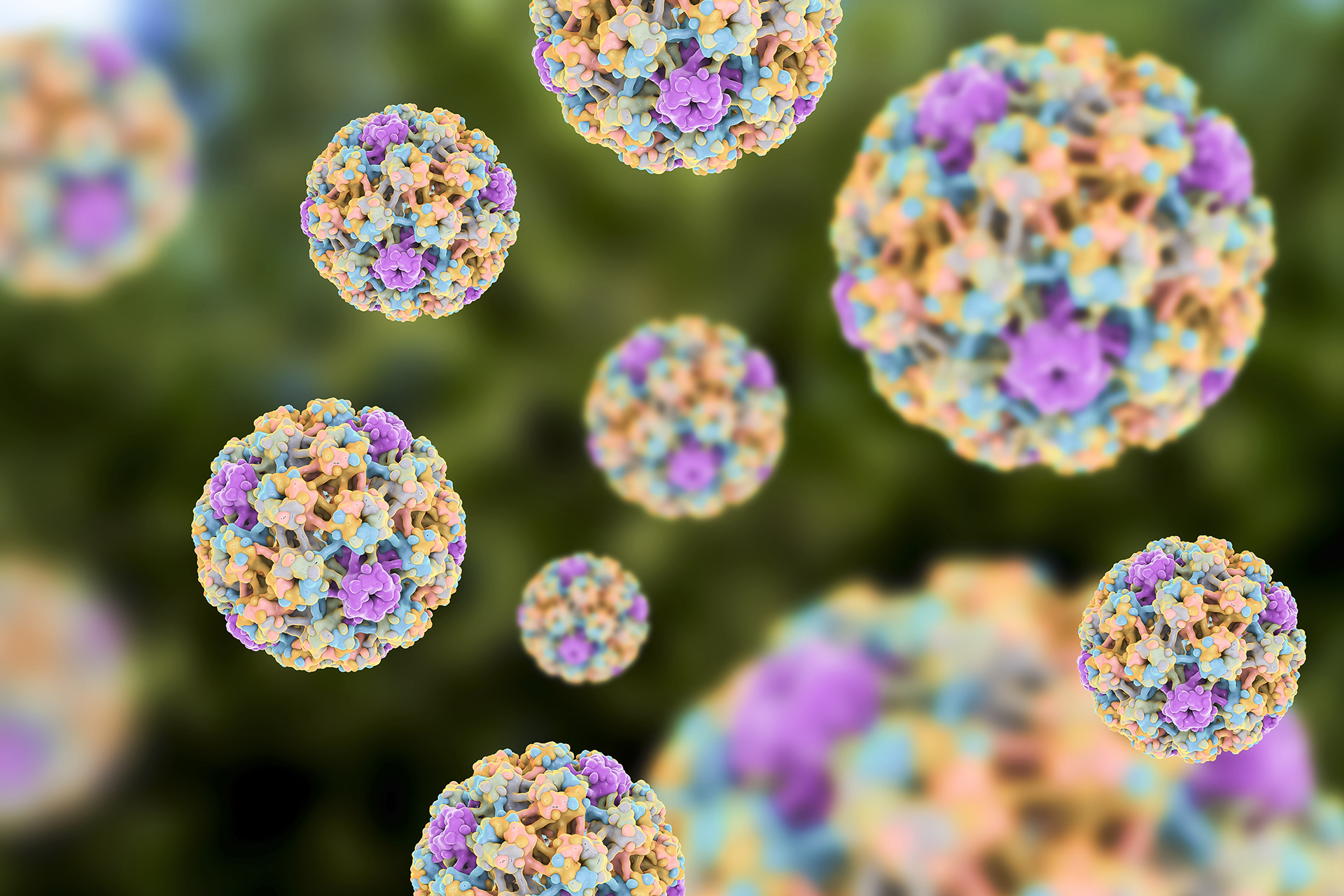
Researchers have revealed how cervical cancers and throat associated with the HPV of the immune system disappeared, opening the door to develop new treatments.
According to the new research, the most common cancer -causing HPV breeds, known as the 16th HPV, undermines the body’s defenses by re -programming the immune cells surrounding the tumor.
The inhibition of this process in mice has strengthened the ability of experimental treatments for HPV to eliminate cancer cells.
The study was conducted by researchers from the Cake Faculty of Medicine at the University of Southern California in the United States, and its results were published in the immune treatment magazine on August 19, and the Yorik Alert website was written about.
HPV causes 16 more than half of cervical cancer cases and about 90% of sore throat cancer associated with HPV. It can be neutralized using Gardasil-9 vaccine, but only if the vaccination is made before exposure to the HPV.
Enabling T -cells to perform their duties
Researchers are now developing treatment vaccines, which can be eaten after exposure to HPV and the presence of abnormal results in the cervical tinge or cancer diagnosis, to stimulate an immune response against cells affected by T -cells, which is a type of combat cell that helps protect the body from diseases, but the effectiveness of these vaccines, which are currently undergoing human experiences, limited and helps the new study in explaining the cause.
The research focuses on a signal protein in the immune system with inflammatory properties called Intercin-23, and it is a mediator in chronic inflammatory diseases, as it was previously known to be involved in cervical and throat cancers, but his precise role was not clear.
In a series of tests on mice and cells, the researchers found that two protein of the HPV, E6 (E6) and E7 (E7), pushing the cells adjacent to the release of Intercin-23, which in turn prevents the cells of the body from attacking the tumor.
“To eliminate cancer, T-cells need to multiply and destroy the affected cells, but the Interleukin-23 protein prevents them from working effectively, which leads to the continued growth of the tumor.”
Cast and his colleagues found that inhibiting the Interleukin-23 protein increases the effectiveness of the human papillotherapy virus vaccine because it enables T-cells to carry out their mission: detecting and eliminating cancer.