


A third of adults over the age of thirty, and half of people over the age of sixty-five, wake up at night to relieve themselves, and this may be completely normal.
But what if a person cannot go back to sleep again? Could this be a symptom of a disease? How can this problem be solved?
“Waking up at night to relieve oneself is only considered a medical problem if a person has to do so more than twice a night, or if they have difficulty getting back to sleep afterward,” Dr. Jeffrey Weiss, head of the department of urology at the State University of New York Downstate Health Sciences in the United States, told the New York Times.
He added, “It is a symptom, not a disease.” Some medical conditions related to the urinary tract, such as infection or overactive bladder, sometimes cause frequent waking up at night, and some other diseases such as diabetes, heart disease, and sleep apnea can be behind this.
Increased kidney function
A person is forced to go to the bathroom frequently at night for one of two reasons: the first is that his body produces a large amount of urine at night, and the second is that the bladder cannot accommodate the amount it previously accommodated.
“When you’re young, your body produces most of its urine during the day, but as you age, urine production shifts toward the night due to hormonal changes and decreased kidney function,” says Donald Bleiwise, a sleep specialist at Emory University Medical Center in the US.
Age is a major risk factor, says Dr. Aline Markland, head of the Department of Geriatrics at the University of Utah Health in the United States: “Aging is also associated with poor bladder elasticity, weak pelvic floor muscles, and an enlarged prostate. As a result, older people often suffer from the problem of frequently waking up to relieve themselves.”
Diabetes and high blood pressure can lead to increased kidney work to produce urine, which increases waking up at night to relieve oneself.
The uterus puts pressure on the bladder during pregnancy, causing frequent urination. In addition, the woman’s legs and ankles may swell, and when she lies down, this fluid moves into the bloodstream, and eventually into the bladder. This can also happen in some diseases such as heart failure and vascular problems.
Should I talk to a doctor?
Frequent urination at night may be concerning, as it may be a sign of an underlying medical condition.
“Night-wetting is, at its core, a real sleep problem,” says Dr. Allison Huang, a primary care physician at UC San Francisco Health in the US.
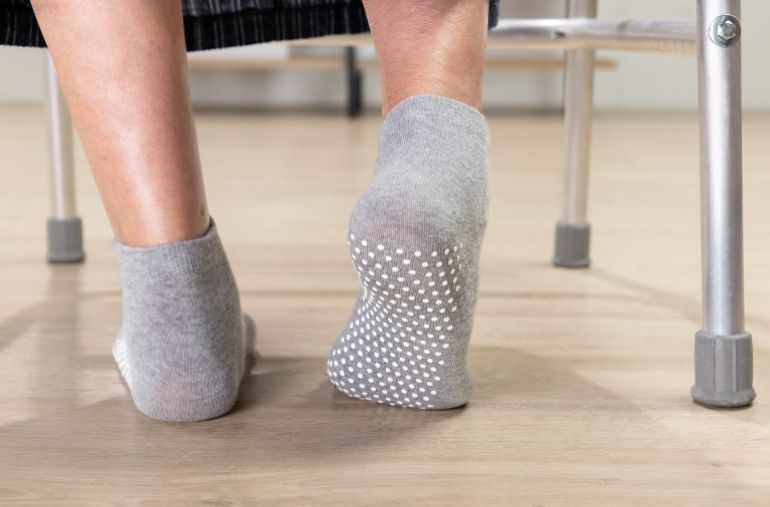
Going to the bathroom at night sometimes poses a safety risk. According to a 2019 analysis, frequent urination at night was associated with a 20% increased risk of falling and a 32% increased risk of fractures. So experts recommend using night lights, wearing slippers when getting out of bed, and maintaining a clear, unobstructed path to the bathroom.
Dr. Weiss advises always discussing nighttime urination with your doctor. “Make it a priority if it bothers you, if you start urinating in the bed, or if you suddenly wake up to relieve yourself more often than usual,” he says.
Sleep apnea could also play a role, Dr. Bleiwise said, because interrupted breathing also causes the body to produce more urine at night. That’s why Dr. Bleiwise shows that a CPAP machine can actually reduce the need to urinate at night.
Find a solution
It’s not possible to stop aging or reverse the effects of aging, but some simple lifestyle changes can make it better.
Improving sleep habits can help limit the number of nighttime awakenings. One key step is to avoid tea and coffee in the evening, as they cause the body to produce more urine.
A person must pay attention to what he eats and drinks before bed. The golden rule is to avoid water and other liquids two to four hours before sleep, and there is nothing wrong with taking a few sips with medication or when feeling thirsty.
Some fruits and vegetables, such as watermelon and grapes, are high in water and are also known to make people urinate more. Reducing daily sodium intake can also help, as salt causes fluid retention.
“If your ankles and legs are swollen, you can also wear compression stockings to prevent fluid buildup,” Dr. Allen advises.
People with overactive bladder can do pelvic floor exercises to strengthen this muscle, which helps control unwanted bladder contractions. A doctor may be able to treat any underlying medical condition or review any medications that may be causing this.