

A new study revealed that blood flow interruption can lead to premature aging of the bone marrow, which weakens the ability of the immune system to fight cancer.
The study showed that the lack of peripheral perfusion – that is, the lack of blood flow in the arteries of the legs – causes the growth of breast tumors in mice at a rate of twice the rate observed in the mice uninished for a lack of blood flow.
The study was conducted by researchers from the Langon Health Center at the University of New York in the United States, and its results were published in Jacc-Cardiooncology on August 19, and the Yorik Alert website was written about.
These results are based on a study conducted in 2020 by the same research team, which found that the lack of perfusion during a heart attack causes the same effect.
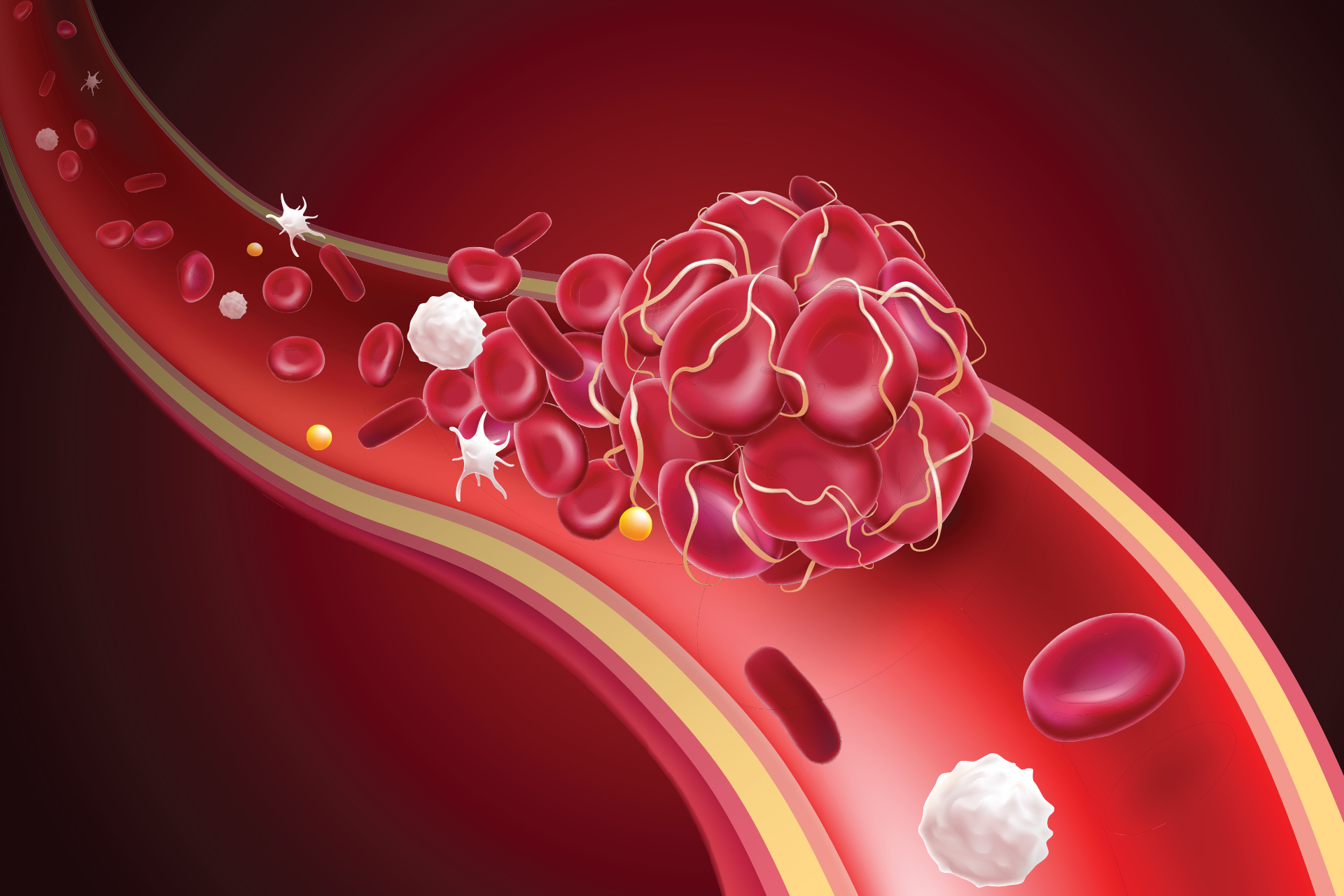
Lack of perfusion occurs when fatty deposits, such as cholesterol, accumulate in the walls of the arteries, which leads to inflammation and clot that hinders oxygen -rich blood flow, when this occurs in the legs, it causes peripheral artery disease that can increase the risk of a heart attack or stroke.
“Our study shows that weak blood flow stimulates cancer growth, regardless of its location in the body,” says the study researcher, Catherine J. Jarn, Lyon H. Charney, Grossman College of Medicine at New York University.
“This association emphasizes the peripheral arteries and the growth of breast cancer is the decisive importance of treating metabolic risk factors and blood vessels as part of a comprehensive strategy for the treatment of cancer,” she added.
It is important that the research team found that weak blood flow stimulates a shift towards groups of immune cells that cannot efficiently fight infection and cancer, which reflects the changes that are observed with age.
Heart disease and cancer growth
To study the mechanisms behind the relationship between cardiovascular disease and cancer growth, the authors of the study developed a model for a mouse in tumors with a temporary irreplaceation in one of the rear ends, then the team compared the growth of cancer in mice with weak blood flow with uninfected mice.
Their results are based on the nature of the immune system that attacks bacteria and invasive viruses in normal conditions and plays a role in detecting and eliminating cancer cells, and these preventive functions depend on stem cell reserves in the bone marrow that can be activated according to the need to produce main groups of white blood cells throughout life.
The immune system usually responds to infection or infection by intensifying inflammation to eliminate threats, then reduce it to avoid damage to healthy tissues.
This balance is maintained by a mixture of immune cells that stimulate or fastely stimulate inflammation, and the researchers found that low blood flow prejudice this balance, as it reprimands stem cells in the bone marrow to enhance the production of “spinal” immune cells (the only cells, blusters, and rations) that secure immune responses, while reducing the production of lymphocytes such as cells such as cells TV that helps to form strong anti -tumor responses.
The environment inside the tumors showed a similar shift, as more immunosuppressive cells that protect the cancer from the immunotherapy have accumulated.
Other experiments showed that these immune changes were long -term, and not only changed the genetic expression of hundreds of genes, but also reorganized the structure of chromatin (which is the protein structure that controls access to DNA), which made the immune cells stimulating the genes participating in the control of cancer.
“Our results reveal a direct mechanism that stimulates the lack of irrigation of the growth of cancer, as it re -programs stem cells in aging methods and enhances immunosuppressor,” says Alexandra Newman’s researcher.
These results open “the door to new strategies in preventing and treating cancer, such as early cancer examination in peripheral arterial patients and the use of infections modified to counter these effects.”