

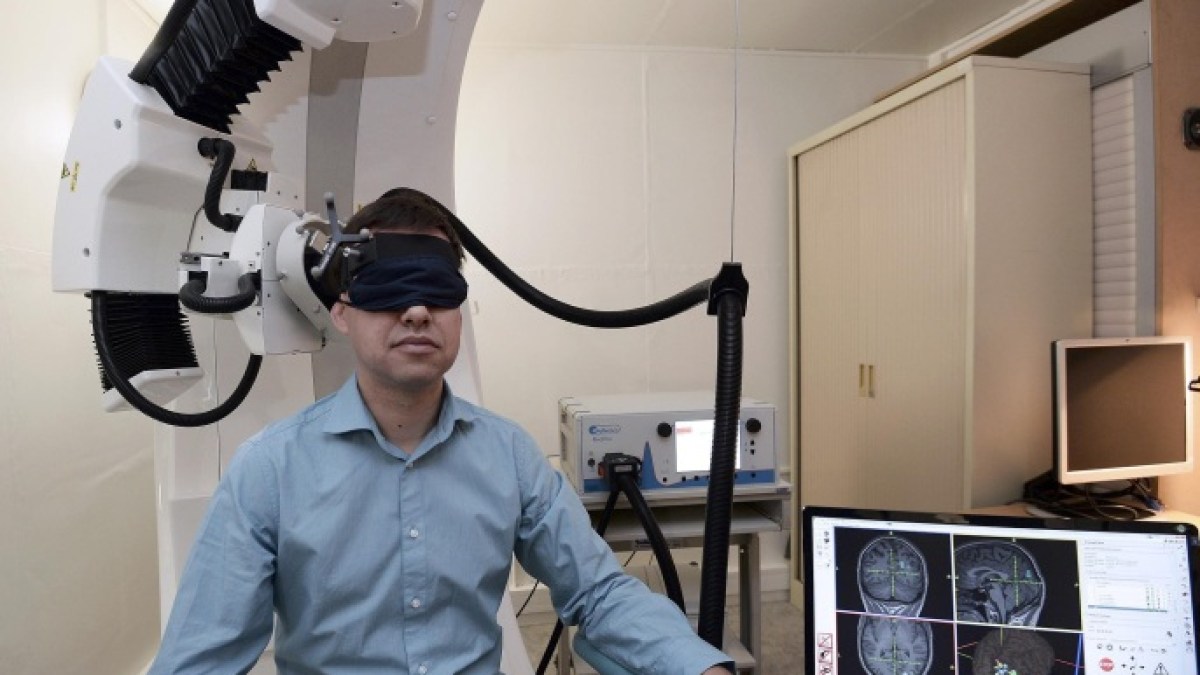
A recent study revealed a promising therapeutic approach based on the combination of magnetic magnetic stimulation TMS and the treatment of intense pronunciation, to help patients with speech loss (verbal confinement) after stroke.
The results showed a remarkable improvement in restoring the speech and language skills among the participants in the study, which opens new horizons in the field of linguistic rehabilitation for these cases.
The study was conducted by researchers from the University of Calgary in Canada, published in the “Neurology Journal” and wrote about the Yurrick Alert website.
The verbal imprisonment
The verbal imprisonment is defined as a loss or weakness in the ability to speak and address language as a result of brain damage, and is one of the most effective cognitive disabilities caused by stroke, as the injured suffer from great difficulties in daily communication, which leads to low quality of their lives and increased depression compared to non -injured people who are stroke.
And it is possible to recover from verbal imprisonment even in severe cases, thanks to recent developments in the field of linguistic rehabilitation treatments. In addition to speech and traditional language treatments, innovative techniques such as magnetic stimulation across the skull, which is a qualitative shift in this field, have emerged.
As for the magnetic stimulus, it is a therapeutic pattern that depends on non -surgical and safe technology, where a specialized device is used to send light magnetic impulses targeting the affected areas in the brain. These impulses stimulate nerve cells and improve their functions, without any pain or need for anesthesia. Each treatment session takes between 20 and 40 minutes.
Merging magnetic stimulation makes a difference
The study included 44 participants who had a stroke more than 6 months ago, and led to their verbal imprisonment, and they were divided into two random groups, and both groups received two weeks of intense speech treatment, but only one group received the treatment of magnetic stimulation. As for the members of the second group, a device has been totally similar to the stimulus, but it does not work (an imaginary treatment).
Intensive treatment of pronunciation included more than 3 hours a day of comprehensive repeated exercises, which include reading, writing and drawing along with speech tasks. This program relied on the “multimedia treatment” methodology and supervised these sessions a team specialized in the treatment of speech and language.
The results showed a clear superiority of the group that received magnetic stimulation compared to those that received imaginary stimulation, as this was evident in the ease of recovering words, increasing the length and completion of the problematic sentences, in addition to a noticeable decrease in stopping periods during speech.