


Becky Jones was just 21 years old when she was told her life was coming to an end. She was a young British woman living in Coventry and dreaming of working in the police, before a severe headache changed the course of her life, after she was informed that she had an aggressive grade 4 brain tumor, and that she had only a few months to live.
Since then, Jones has been on an 11-year treatment journey, during which she takes Temozolomide, a chemotherapy drug used for some brain tumors. All these years, she lived with the belief that she had a deadly cancer that needed ongoing treatment. But in 2025, an independent review of her case concluded with a surprising diagnosis.
A diagnosis that changed her life
Jones’ story began in 2012, when she was working as an employee monitoring security cameras at a football stadium in Coventry. At that time, she suffered from severe headaches and migraine attacks, which took her to the hospital and led to the discovery of a mass in her brain. According to a subsequent review of her case, the mass was considered a grade 4 glioblastoma.
She then began chemotherapy with temozolomide, and little by little the drug became a part of her daily life, with one idea associated with it: Stopping treatment means risking her life.
She suffered from nausea, stomach pain, mouth ulcers, hair loss, and fatigue. She also began to avoid some events and activities for fear of infection, and her ability to exercise and go out as she had done before declined.
She was also told that the treatment might prevent her from having children, but she later gave birth to two children, in another paradox that accompanied her long illness journey.
11 years of treatment
The length of the treatment period was one of the most prominent aspects that later raised questions. Treatment with the drug “temozolomide” in cases of glioblastoma does not usually continue for this period, as the usual regimens include a specific number of courses, and not continuous treatment for an entire decade.
However, Jones continued taking the medication until 2024, when the treatment was discontinued after the doctor who was monitoring her condition retired. She says that she did not initially get a clear explanation for why the medication was stopped, before she later began the journey of searching for answers with the help of a legal team.
In May 2025, neurosurgeons and radiologists reviewed her images and medical files, and she was informed that the diagnosis that had been with her for more than a decade was incorrect, and that what appeared in her brain was not a malignant tumor, but rather a condition known as “tumefactive demyelination,” which is an inflammatory lesion that can mimic a tumor on x-ray images, and its treatment usually depends on anti-inflammatory medications – including steroids – under the supervision of neurologists.
An issue that goes beyond one case
Concerns were not limited to Jones’ case, as an independent review included 20 cases, after raising questions about prolonged use of the drug “temozolomide.”
The initial review by the Royal College of Physicians concluded that 15 of the cases were “generally unsatisfactory”, with some cases where treatment was continued for long periods despite little or no evidence of benefit.
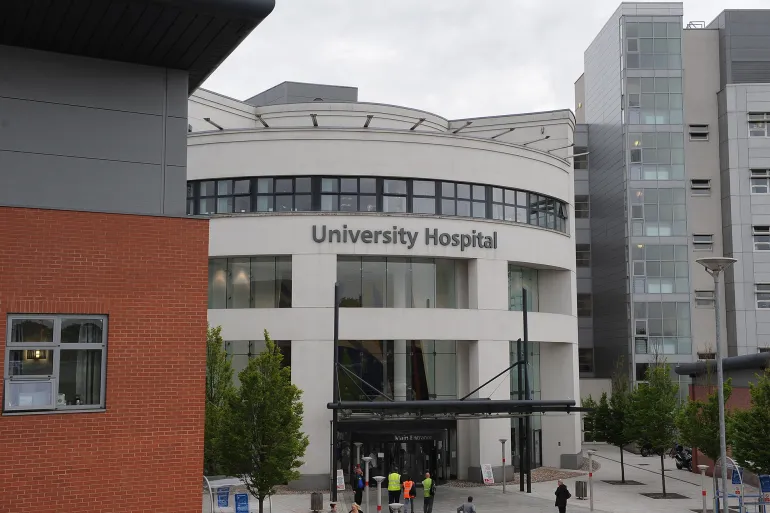
The review raised questions about the mechanisms for controlling the prescription of the drug and following up on the need for its continuation, while the Coventry and Warwickshire University Hospitals Foundation faces claims from more than 40 patients against the background of prolonged or unnecessary treatment.
The institution said that it had strengthened its control procedures over the prescription of “temozolomide”, and that the patients concerned were evaluated by senior doctors and appropriate care plans were developed for them.
What does it mean to receive chemotherapy without a tumor?
Jones’ story reveals another aspect of chemotherapy. The drug “temozolomide” does not always distinguish between cancer cells and healthy cells that divide quickly, which explains some of its side effects.
Official information about temozolomide indicates possible side effects, including the symptoms that Jones experienced, in addition to a decrease in some blood cells, which may be associated with an increased risk of infection or bleeding. The drug information also records rare risks associated with secondary blood disorders, as well as warnings related to fertility.
This does not mean that everyone who receives the medication will develop these complications, as the risks vary depending on the dose, duration of treatment, and health condition. But in Jones’ case, the irony is that she was exposed to these effects for years while she was not treating a cancerous tumor to begin with.
Thus, the burden was not only physical, as she spent years of her youth believing that her life was threatened by a fatal disease, and she made her daily decisions on this basis.
Trying to recover what was lost
Today, Jones faces conflicting feelings: relief that she didn’t have the cancer she thought she had, anger over the years she spent under treatment and fear. She entered the world of therapy in her early twenties, thinking she had only a few months left, and then spent more than a decade dealing with a disease that did not exist in the way it was diagnosed.
Her case – along with the cases of other patients – continues the legal process, while British health authorities review what happened and work to tighten control over the use of the drug.
As for Jones, she is now trying to rebuild her life outside the picture imposed on her by that diagnosis, after she discovered that the cancer she spent 11 years fighting did not exist in the first place.