

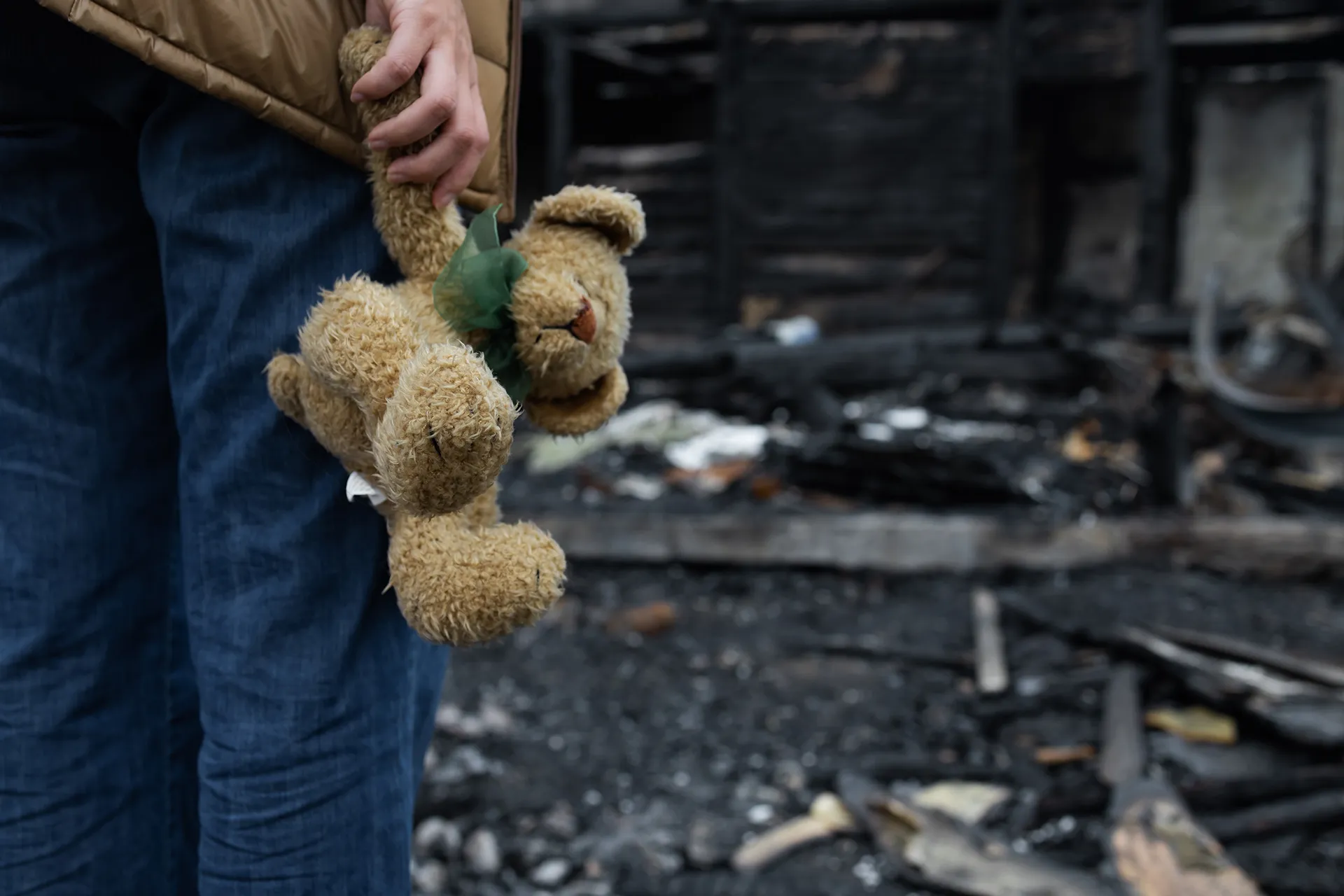
Wars cause massive material damage to property and huge loss of life, but the consequences they leave on the living are stronger and more severe, especially on children who are still developing.
According to studies, the ongoing, long-term wars and conflicts that children may be exposed to take their toll on them, making them vulnerable to a range of psychological problems such as anxiety, depression, and post-traumatic stress disorder.
These problems play a role in weakening the immune barrier, making the body vulnerable to many urgent or even chronic diseases, which settle in their bodies and have negative effects on their psychological side in a sensitive stage that includes the formation of their personal and cognitive identity.
During wars, children are exposed to psychological disorders such as post-traumatic stress disorder, which is often associated with depression, anxiety, and behavioral problems, while others may suffer from depression or anxiety only. The severity of the impact varies according to factors such as age, gender, social and financial circumstances, in addition to parental support and spiritual connection.
Researchers from universities in Italy and Germany conducted an analytical review published in early 2025 in the journal Global Pediatrics to study the psychological impact of wars on children in regions such as Palestine and Ukraine. The results showed that the psychological effects are more severe among children displaced to refugee camps compared to those who remained with their families in their areas despite the war.
According to the results of the study, it was noted that children in conflict areas were subjected to unintentional behaviors. They were dominated by aggressive behaviour, and states of agitation and impulsiveness as a result of the trauma that caused psychological pressure that was difficult for them to bear.
Wars and children’s immunity
Long and continuous exposure to war conditions and their ravages leads to destabilization of children’s internal immunity by disrupting the immune system or that linked to the nerves and endocrine glands and their associated sensitive functions, in addition to the sleep disturbance it causes and the obstruction of the growth and development of somatic cells.
It is also mentioned in this regard the indirect effect of wars and conflicts on the body’s immunity, as such conditions sometimes result in malnutrition, a tendency to lethargy, and lack of movement, which collectively lead to the destruction of the immune fortresses in the body, leaving it vulnerable to chronic or temporary diseases.
Several studies, among those examined and reviewed in the same aforementioned study, showed that the severity of the negative psychological effects that children suffer in these circumstances is directly related to the frequency and severity of the war conditions they experience.
The more violent and prolonged the consequences, the more harmful the consequences. In fact, research has shown that simply living near areas threatened by bombing within conflict axes is enough to cause clear psychological disorders in young children.
Effects on memory and language
Chronic psychological pressure to which children are exposed for a long time activates the work of the axis that brings together the hypothalamus, pituitary, and adrenal glands, which in turn, if its activation is prolonged, causes many important functions to malfunction, hindering the complete growth and maturation of the brain as it should at this stage, thus memory is damaged, and the ability to concentrate and acquire language decreases.
Cognitive abilities and the ability to perform related functions also deteriorate, and as a result, the child becomes more vulnerable to depression, anxiety, and other psychological disorders that may accompany him through adolescence and perhaps even adulthood, if not treated.
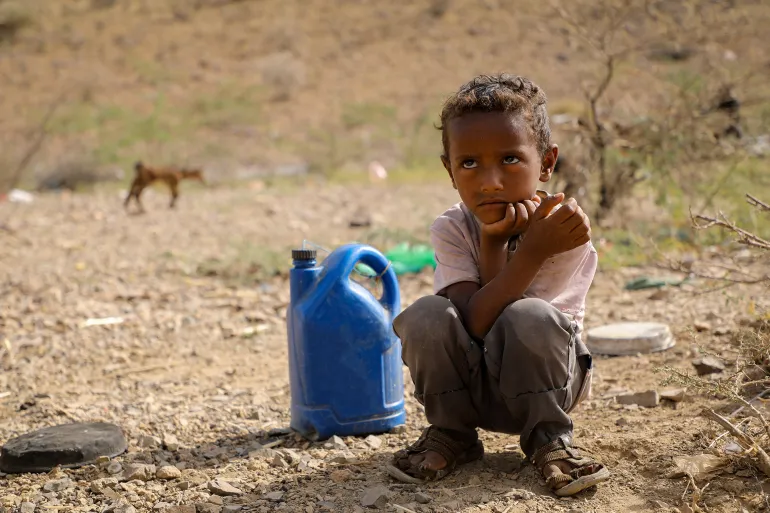
How do we take care of our children’s psyche?
The recommendations that emerged from the study indicate that emotional support for children in war zones, and the positive, warm response that parents provide to their children during crises and conflicts is one of the most important preventive means to alleviate the severity of the problems that may afflict them and hinder their development.
The study based its recommendations on how to provide care for children in areas of conflict and conflict on what was proposed by the Betancourt model, which is attributed to researcher and university professor Teresa Betancourt from Boston University, who is responsible for the research program that aims to study the impact of crises and shocks on children. It is based on 3 foundations according to the target groups:
- Comprehensive interventionsIt is concerned with enhancing the mental health of children by educating them and teaching them skills and means that enable them to confront crises and wars that may arise around them, by enhancing their self-confidence, and enabling them to think positively in which optimism prevails over pessimism, which may have a great impact in overcoming the obstacles that arise. It is also concerned with ensuring that they are provided with the necessary food supplies in times of war, and by providing housing and protection for them.
- Targeted interventionsIt targets children who are under the burden of war and its circumstances, who have been displaced and changed their places of residence, or who have begun to show symptoms of psychological disorders, by enrolling them in support programs that give them cognitive and emotional skills to deal with the problems they suffer from.
- Specialized interventionsIt focuses on helping children who suffer from severe disorders as a result of what they have been exposed to, either to treat them or to try to control the condition and prevent its aggravation, through sessions that include different methods of psychological treatment, such as Cognitive Behavioral Therapy and others.
It should be noted that experts have identified 5 basic elements that must be strengthened and developed among those affected by wars and traumas:
A sense of security, psychological calm, a sense of value and competence and its reflection on oneself and the surrounding society, interconnection and communication with the surrounding people, a feeling of hope and defeating frustration.
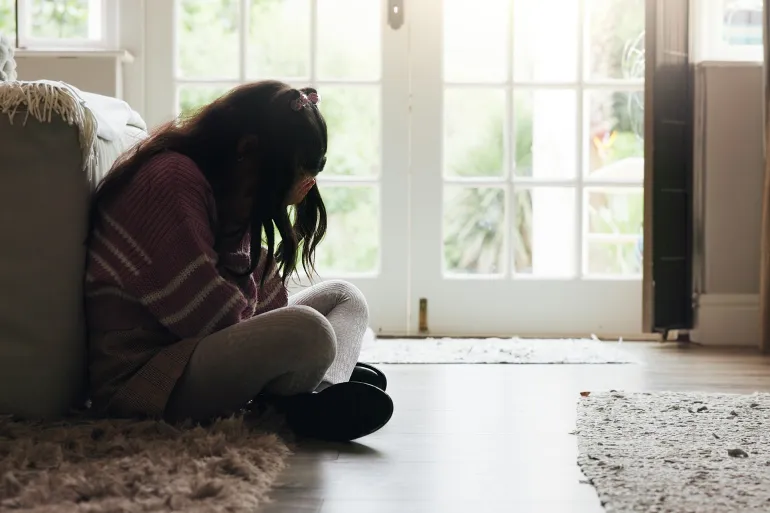
Psychological toughness
In an attempt to shed light on other ways of assistance that can be provided to children in war zones, a group of scholars from the University of Tampere in Finland and others from the Islamic University of Gaza and others conducted an intervention study targeting children in Gaza after the 2008 war, whose ages ranged between 10 and 13 years.
The study focused on what it called psychological flexibility in dealing with difficult circumstances such as crises and wars, and it showed the great role that the family can play through its harmony, the warm relations between parents and their children, the method of rational upbringing built on sound foundations, and the psychological solidity it can provide that builds solid barriers within children that protect them from the psychological danger that loss or witnessing scenes of destruction and murder may pose.
We cannot control the circumstances around us most of the time, especially if they are wars or global conflicts, but we can of course control our reactions and confront these circumstances to expel the psychological danger that may stand between us and many of the feelings that push us towards achievement and happiness, and they are – without a doubt – shields that parents can provide their children with so that they grow up psychologically healthy regardless of what happens – and will happen – around them.