

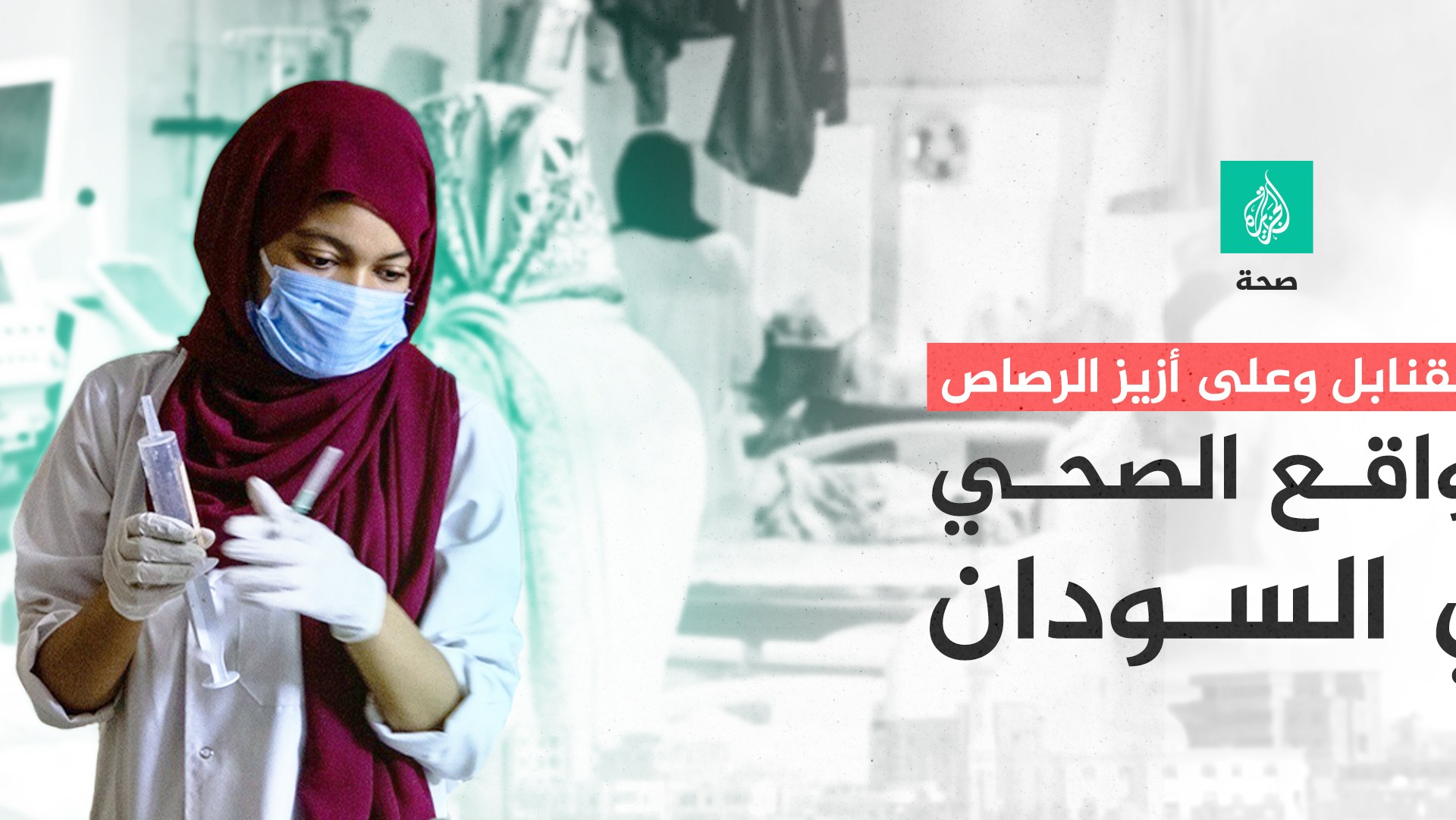
In “Al Jazeera Health” we provide in-depth coverage of the health situation in Sudan, in light of the war that the country is experiencing, which has led to the displacement of millions, and the occurrence of unprecedented destruction of hospitals and health facilities, as a result of their targeting.
The coverage was worked on by our network of correspondents in Sudan and the Health Newsroom team in Doha, and included field reports, articles and testimonies from victims of this war.
In this coverage, we obtained multiple data indicating that the Rapid Support Forces targeted health facilities in Sudan. We also obtained testimonies about the Rapid Support Forces’ practice of intimidation, torture, and breaking into homes at night to rape women, which has a “major impact on women’s physical and psychological health, especially if there are no therapeutic interventions after women are exposed to assault and sexual slavery, which makes them vulnerable to disease.” Sexually transmitted diseases, which expose reproductive health to great danger,” according to Salima Ishaq, Director of the Unit for Combating Violence against Women.
In our coverage, we documented that Sudanese were exposed to severe psychological trauma as a result of the war and faced violations that accompanied the fighting, but it indicates that the greatest impact was on children, especially those who lost their families, witnessed violent events with their own eyes, or were exposed to physical or verbal violence.
We found that cancer, diabetes, kidney, and heart diseases represent the most widespread chronic diseases in Sudan, and they suffer most from the elderly who find it difficult to move from one place to another, so their fate is a slow death, especially in light of the destruction of 80% of health institutions as a result of the fighting.
Our coverage included the reality of Sudanese refugees, who face a number of challenges on their way to seek protection, which sometimes puts them in risky situations. A number of children are separated from their families during the refugee journey and arrive in dire need of medical and psychological support, according to the United Nations High Commissioner for Refugees.
Sudanese Minister of Health Haitham Mohamed Ibrahim – in statements at the end of December 2024 – had stated that the ongoing confrontations for nearly 20 months, between the army and the Rapid Support Forces, had caused the collapse of the country’s health system.
We place this in-depth coverage in the hands of readers:
Sudan…a health care system groaning under war
Sudanese refugees…a tragedy that was not ended by crossing the border
Sudan war… women’s pain is silent suffering
Children in the midst of the Sudan war… dying from hunger and under bombardment
Between fear, displacement, and death…tragic stories of people with chronic diseases in Sudan
Sudanese Minister of Health: The clashes led to the collapse of the health system