

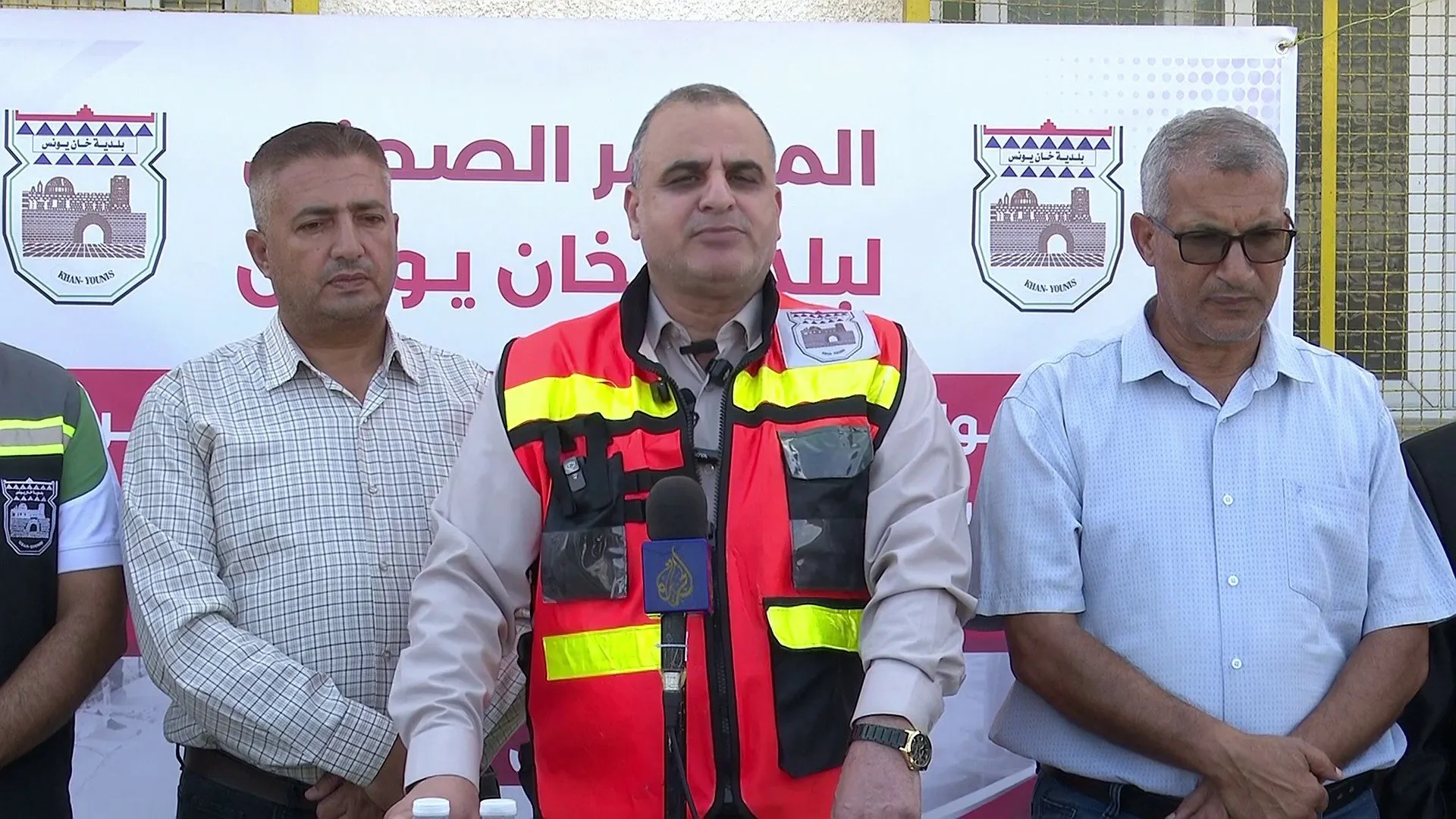
The Union of Gaza Strip Municipalities warned of an imminent collapse in the water and sanitation system, due to the scarcity of oils and fuel needed to operate generators, wells and pumping stations, which threatens residents with thirst and increases health and environmental risks in the Strip.
The mayor of Khan Yunis, Dr. Alaa al-Din al-Batta, speaking on behalf of the union, said that oils were brought into only 40 generators out of 700 in the sector, noting that preventing the entry of supplies needed to operate well generators, pumping stations, and sewage stations directly affected these facilities for the fifth month in a row.
Al-Batta warned that the crisis may lead to mass thirst among the residents of the Gaza Strip and negatively affect vital facilities. It may also lead to sewage overflowing in the streets and reaching the camps for the displaced, threatening the spread of more diseases and epidemics.
The Union confirmed that the municipalities have not received – since the beginning of last March – any quantities of fuel allocated to operate the rubble removal mechanisms, warning of the cessation of basic municipal services, including opening roads and collecting waste, in addition to water and sanitation services.
Fuel shortage threatens health care
The impact of the fuel and oil shortage is not limited to water facilities and municipal services, as the Director of Medical Relief in the Gaza Strip, Dr. Muhammad Abu Afash, confirmed that the health sector is facing complex conditions with the continued shortage of laboratory materials, medicines, and medical supplies, in addition to the absence of oils and spare parts, and the constant power outage.
Abu Afash added – in an intervention with Al Jazeera following the Union of Municipalities conference – that Medical Relief was forced to suspend a number of its services due to the severe shortage of fuel, noting that more than 13 mobile clinics that were providing care in the border areas had stopped as a result of the depletion of oil and fuel.
He said that Al-Rimal Medical Center in Gaza City – which serves thousands of patients – has completely stopped working, at a time when critically ill cases, including children and pregnant women, are accumulating.
Trade-off between patients
Abu Afash pointed out that the severe shortage of medicines and medical supplies puts health teams facing a difficult differentiation between patients to give priority to the most serious cases, which is an ethical and humanitarian situation that health institutions do not accept.
He explained that some centers that receive hundreds of cases daily need medicines for thousands of patients with high blood pressure and diabetes, but they receive only limited quantities that are not sufficient for the incoming numbers, which forces treatment of some cases to be postponed despite the severe health risks resulting from this.
He added that hospitals and primary care facilities continue to provide their services to the maximum of their available capabilities, in light of the presence of large numbers of sick and wounded people, including intensive care patients.
The medical relief official warned of the increase in skin and intestinal diseases among the population, noting that various viral infections had been monitored, at a time when the repercussions of the lack of potable water, overflowing sewage, and the decline in public municipal services were worsening.
21 thousand patients are waiting for treatment
The Medical Relief Director said that more than 21,000 patients are waiting to be allowed to leave the Gaza Strip to receive treatment abroad, explaining that many of them suffer from incurable diseases and need interventions that are not available to them locally.
Abu Afash called for the opening of a safe humanitarian corridor that allows the entry of fuel, oils, medicines, supplies, and necessary spare parts, in addition to facilitating the exit of patients who need specialized treatment outside the Gaza Strip.
The Union of Gaza Municipalities had appealed to the international community and mediators to intervene urgently to pressure the occupation to bring fuel into the Strip, and to open a humanitarian corridor that would ensure the flow of aid and supplies necessary for the continuation of basic services for the people of the Strip.