

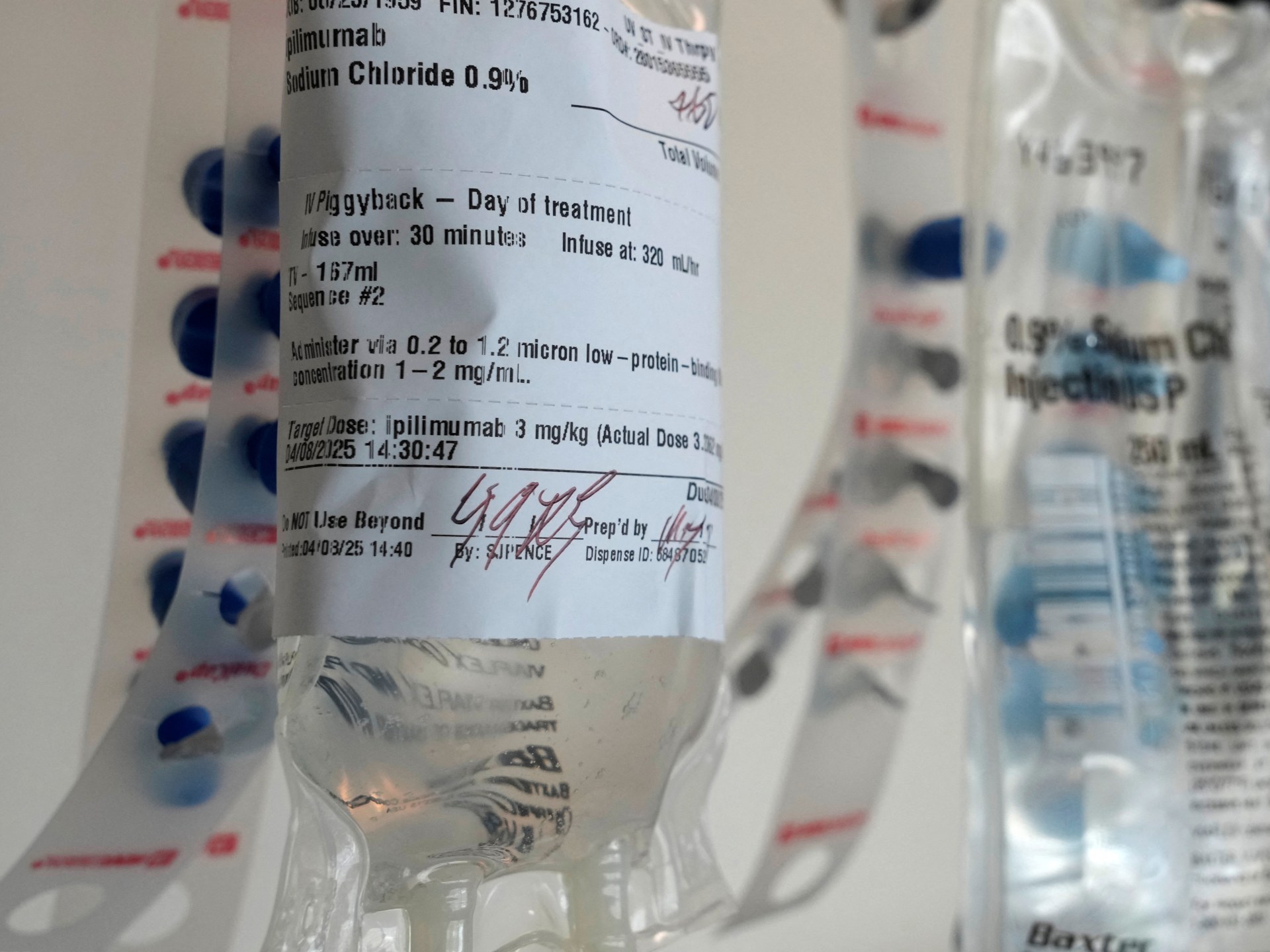
Researchers have revealed that the use of iPilimumab, one of the immune remedies used to treat cancer patients, may be the key to treating pulmonary fibrosis. It contributes to removing damaged cells that cause scars (solid tissue and does not make a useful function for the body) in the pulmonary tissue, which may help the lung to restore its normal function.
Scientists from the University of Toulin in the US state of Louisiana were published, and the study was published in the Clinical Investigation, and York Aliert wrote about it.
Librant
Specialized cells called fibroblast are restoring the pulmonary tissue in the healthy human body. However, in the case of pulmonary fibrosis, fibrous cells, as well as other cells, stop normally, and turn into the so -called hacker cells.
Harge cells do not die or divide like normal cells, but rather accumulate, which leads to hardening and scarring in the lung. The researchers believe that the reason behind this is to stop the ability of the immune system to remove these hacker cells.
The researchers found that a protein named “CTLA4” is responsible for curbing the immune system and disrupting its work, as it works as emergency brakes to stop the activity of T -immune cells that remove the pyramid cells. The CTLA4 protein works in normal cases to prevent a significant inflammation that causes damage to the body, and therefore stops high -acting T cells. But when they are stopped from working for a long time, the pyramid cells accumulate in the tissues.
Real estate effectiveness
Eiblimomab showed positive results when trying to mice. Where he managed to block the “CTLA4” protein and reactivate the functioning of the T cells in removing the hacker cells, and thus improved the ability of the pulmonary tissues to recover and reduce scars.
Pulmonary fibrosis is a fatal disease that has no cure at the present time, as 50% of people with pulmonary fibrosis die during the first three years of the diagnosis.
Most of the treatments available are to slow down the development of the disease, not to stop it or even reflect its effects. The disease develops very quickly and causes tissue tissue in the lung, which leads to difficulty breathing.