

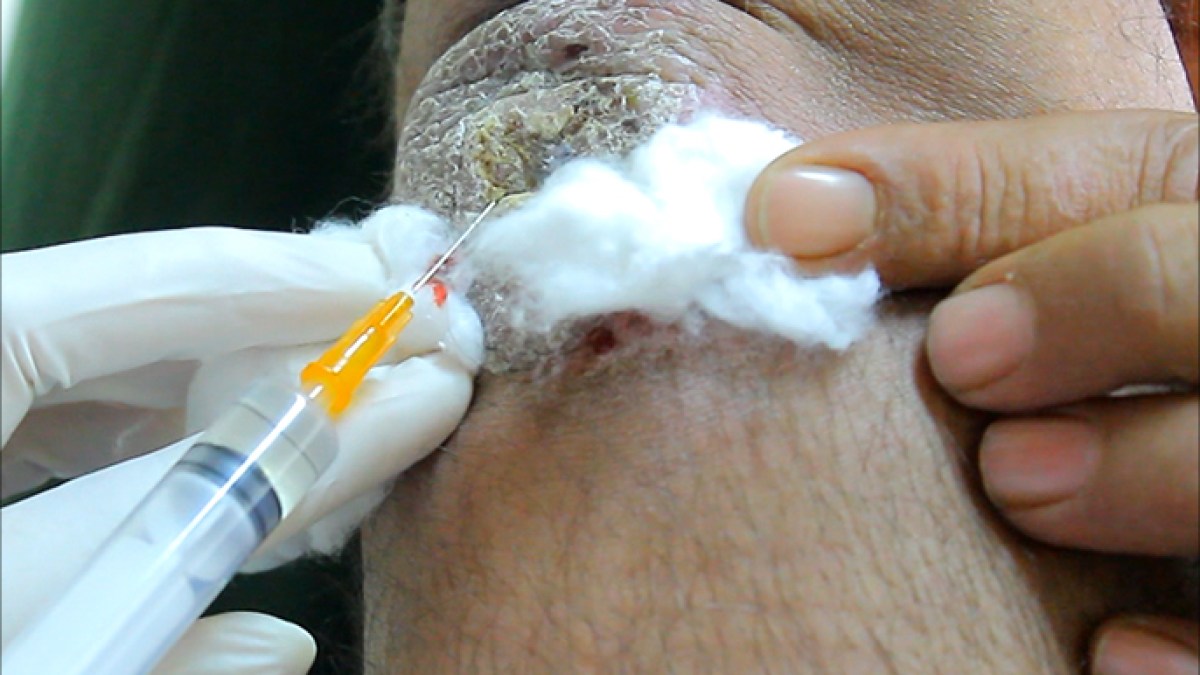
Researchers have developed a new way to predict the response of the leishmaniasis of the most common treatment for this condition, which may avoid patients for months of using expensive, ineffective and toxic drugs. Lyshemaniah is an devastating skin infection caused by the leishmania parasites.
The new study can cause a radical change in the therapeutic approach to this disease that causes deformation, as patients can avoid undergoing long and expensive treatment periods that may be ineffective.
The study was conducted by researchers from the University of Maryland in the United States and the International Center for Training and Medical Research in Colombia, published in Nature Communications on the fourth of April and written by the Yurik Alier website.
Traditional treatment
Nearly a million people around the world are suffering from leishmaniac disease, especially weak population groups in the tropical and semi -tropical regions, such as North Africa and South America, and spread in areas with malnutrition, low standard of living and population displacement. If left without treatment, it may be left to a long -lasting scars, and a serious disability. Despite its global impact, there is no vaccine, and the available treatments are ineffective, toxic, and it is difficult to give.
Traditional treatment, Meglumine Antonition, fails to treat approximately 40% to 70% of cases. For patients with this disease, the ineffective treatment experience may sometimes increase the difficulty of the psychological and social situation, which enhances the need for better strategies to manage this general health problem.
The team found that patients who did not respond positively to the treatment of Miglumin Antimony showed a distinctive immune response pattern, The tracking of this style can help determine the successful treatment of the failed, which provides a road map to care for the patient in a way that suits it.
The researchers also developed an innovative evaluation system that uses advanced machine learning techniques, capable of accurately predicting the results of treatment for patients who were diagnosed in early stages. By analyzing the activity of only 9 genes, the researchers managed to predict the success of treatment in a patient with leishmaniac disease with a resolution of up to 90%.